
The Trial Lawyer's Journal

TLJ Small Logo
Close
Group 39053677
Share Your Story with Trial Lawyer’s Journal
Trial Lawyer’s Journal is built on the voices of trial lawyers like you. Share your journey, insights, and experiences through articles, interviews, and our podcast, Celebrating Justice.
Stay Updated
Sign up for our newsletter to get the latest from TLJ.


    Supreme Court Rules NJ Transit Must Face Injury Lawsuits in Other States — What It Means for Accident Victims

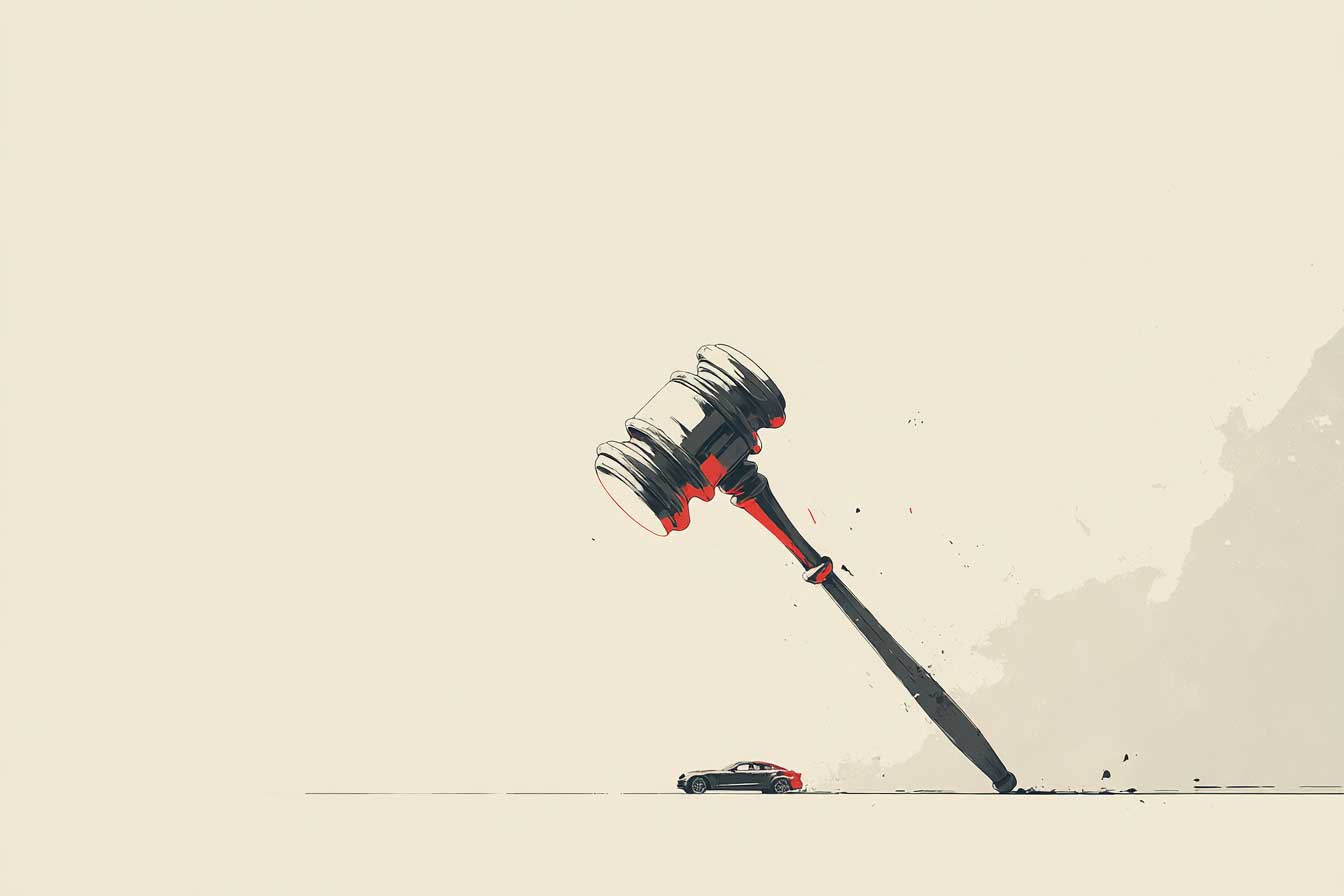
    A conceptual illustration depicting the U.S. Supreme Court delivered a major win for plaintiffs in Galette v. New Jersey Transit Corp., unanimously rejecting a sovereign immunity defense that has derailed numerous injury cases before they could be adjudicated on the merits.

    Supreme Court Rules NJ Transit Must Face Injury Lawsuits in Other States — What It Means for Accident Victims

    A conceptual illustration depicting the U.S. Supreme Court delivered a major win for plaintiffs in Galette v. New Jersey Transit Corp., unanimously rejecting a sovereign immunity defense that has derailed numerous injury cases before they could be adjudicated on the merits.

    On March 4, 2026, a unanimous Court ruled in Galette v. New Jersey Transit Corporation that NJ Transit is not an “arm of the state” of New Jersey and therefore cannot hide behind New Jersey’s sovereign immunity to escape lawsuits filed in other states. The decision resolves a split between the highest courts of New York and Pennsylvania, clears the way for injured people to pursue their negligence claims in the state where they were hurt, and resets the national standard for when state-created corporations can — and cannot — claim immunity from suit.

    What Happened: Two Crashes, Two Victims, One Major Legal Question

    This case began with two real people who were seriously hurt by NJ Transit buses operating far from New Jersey’s borders.

    In 2017, Jeffrey Colt was crossing 40th Street in Midtown Manhattan when an NJ Transit bus struck him and knocked him to the ground. A year later, in 2018, Cedric Galette was a passenger in a car traveling down Market Street in Philadelphia when an NJ Transit bus crashed into the vehicle. Both men suffered serious injuries. Both sued NJ Transit for negligence — Colt in New York courts, Galette in Pennsylvania courts.

    NJ Transit did not dispute the accidents or deny being involved. Instead, the agency moved to have both cases thrown out entirely, arguing that it qualifies as an “arm of the state” of New Jersey — which would entitle it to share in New Jersey’s sovereign immunity and avoid being sued in other states’ courts without consent. The New York Court of Appeals rejected that argument and allowed Colt’s case to proceed. The Pennsylvania Supreme Court sided with NJ Transit and dismissed Galette’s case outright. That direct conflict between two state supreme courts is exactly the kind of legal uncertainty the U.S. Supreme Court exists to resolve. The Court agreed to hear both cases and consolidated them for argument on January 14, 2026.

    The plaintiff in the New York case was represented before the Supreme Court by Sullivan Papain Block McManus Coffinas & Cannavo P.C., a prominent New York-based plaintiff’s personal injury firm whose advocacy in this case drew recognition from across the legal community.

    • Jeffrey Colt was struck by an NJ Transit bus while crossing a Midtown Manhattan street in 2017
    • Cedric Galette was injured in a Philadelphia car crash caused by an NJ Transit bus in 2018
    • Both men sued for negligence in their home states; NJ Transit sought dismissal in both cases
    • New York’s top court allowed the lawsuit to proceed; Pennsylvania’s top court dismissed it
    • The Supreme Court consolidated both cases and heard argument in January 2026 to resolve the conflict

    The Legal Battle: What Is “Sovereign Immunity” and Why Did It Matter Here?

    Sovereign immunity is a legal doctrine with deep historical roots. The basic idea is that a state government cannot be sued in another state’s courts without its consent. It protects state treasuries and preserves states’ ability to make their own decisions about how to spend limited public resources.

    But sovereign immunity belongs to the state itself — not to every entity the state creates. The legal question in these cases was whether NJ Transit counts as an “arm of the state,” meaning it gets to share in New Jersey’s immunity, or whether it is a legally separate corporation that can be held accountable in court like any other organization.

    NJ Transit argued it deserved immunity for several reasons. It was created by the New Jersey Legislature. It serves essential public transportation functions. It receives substantial state funding — historically anywhere from 15% to 46% of its annual operating budget over 35 years. And the state exercises significant control over it, including the Governor’s power to appoint and remove board members and veto board actions.

    The injured plaintiffs argued the opposite: that NJ Transit was created as a corporation with all the hallmarks of separate legal identity — the power to sue and be sued in its own name, make its own contracts, hold its own property, and incur its own debts. And critically, under New Jersey law, the state is not formally responsible for NJ Transit’s debts or judgments. NJ Transit itself conceded that point before the Supreme Court.

    A group of 23 states filed a friend-of-the-court brief urging the justices to adopt a rule that a state’s own labeling of an entity — such as calling it an “instrumentality of the state” — should be the end of the inquiry. The Court declined to adopt that approach, finding it circular and unworkable.

    • Sovereign immunity protects states from being sued without their consent, including in other states’ courts
    • The key legal question was whether NJ Transit is an “arm of the state” entitled to share that immunity
    • NJ Transit pointed to state control, public functions, and state funding as evidence it should be immune
    • The plaintiffs pointed to NJ Transit’s corporate structure, independent legal identity, and the state’s formal non-liability for its debts
    • Twenty-three states filed amicus briefs urging a rule that would favor state-defined labels — a position the Court unanimously rejected

    The Supreme Court’s Ruling: Corporate Structure Wins, Immunity Claim Fails

    Justice Sotomayor wrote the opinion for a unanimous Court, issued March 4, 2026.

    The Court held that the most important question in any arm-of-the-state analysis is whether the state structured the entity as a legally separate organization responsible for its own judgments — or whether the state would itself be on the hook if a judgment were entered. When a state creates a corporation with traditional corporate powers, courts should presume that the entity enjoys all the advantages and disadvantages of separate legal status, including the fact that it is no longer part of the state itself.

    NJ Transit, the Court found, fits that description clearly. New Jersey created it as a “body corporate and politic with corporate succession.” It can sue and be sued. It enters its own contracts. It holds its own property. It sets and collects its own fares and raises its own funds through gifts, grants, and loans. And New Jersey law explicitly provides that no debt or liability of NJ Transit shall be deemed a debt or liability of the state. NJ Transit conceded before the Court that New Jersey is not formally liable for its debts.

    The fact that the state labeled NJ Transit an “instrumentality of the state” didn’t change the outcome. Sotomayor noted that the term lacks the historical weight of the corporate form, and that other New Jersey laws — including the New Jersey Tort Claims Act and the Contractual Liability Act — actually exclude NJ Transit from the definition of “State” because it has sue-and-be-sued authority. The law calls it an instrumentality on one page, then excludes it from the definition of the state on another. That kind of internal contradiction in state law, the Court found, cannot be resolved by simply deferring to the label the state preferred.

    On state control, the Court acknowledged New Jersey’s significant oversight of NJ Transit: the Governor can appoint and remove board members, a state cabinet official chairs the board, and the Governor can veto board actions. But the Court cautioned against treating control as decisive. Every state-created entity is ultimately subject to some state oversight; that doesn’t make them all arms of the state. Cities, counties, and school boards all operate under state oversight, and none share in state sovereign immunity. The same logic applied here.

    • Justice Sotomayor wrote for a unanimous nine-justice Court, decided March 4, 2026
    • Legal separateness and formal financial independence are the central factors in arm-of-the-state analysis
    • NJ Transit’s corporate structure, sue-and-be-sued authority, and the state’s formal non-liability for its debts all weighed against immunity
    • The “instrumentality” label in NJ Transit’s founding statute did not overcome its corporate identity under settled law
    • State control over NJ Transit, while substantial, was not dispositive and did not convert the agency into a state arm

    What This Means for Injured People, Their Families, and the Future of Transit Accountability

    This ruling has real, immediate consequences for anyone hurt by an NJ Transit bus, train, or light rail vehicle outside of New Jersey.

    Before this decision, NJ Transit could — and did — argue in courts across the region that sovereign immunity required dismissal of negligence claims. If you were injured in New York or Pennsylvania, NJ Transit’s position was essentially: you can’t sue us here. The Pennsylvania Supreme Court had accepted that argument and dismissed Galette’s case without ever reaching the question of whether NJ Transit drove negligently. Now the Supreme Court has rejected that approach unanimously.

    People injured by NJ Transit in New York, Pennsylvania, or anywhere else the agency operates can now sue in their home state courts without worrying that a case will be dismissed on immunity grounds. That matters enormously for practical reasons — pursuing a claim in your own state means access to local attorneys who know the courts, proximity to witnesses and evidence, and the ability to work within a legal system that is already accessible to you.

    The reaction from the plaintiff’s bar was immediate. “Today’s U.S. Supreme Court decision is a major victory for injured people and for accountability under the law,” said Andrew Finkelstein, President of the New York State Trial Lawyers Association. “We commend Sullivan Papain Block McGrath Coffinas & Cannavo P.C. for their outstanding advocacy in this case. The Court made clear that corporate entities created by states cannot hide behind sovereign immunity to avoid responsibility for their negligence. This ruling ensures that large public corporations must answer in court when their conduct harms the public.”

    The ruling’s reach extends well beyond NJ Transit. The Court established a clear national standard: where a state elects to operate through the corporate form, grants the entity authority to sue and be sued, and does not make itself legally liable for the entity’s judgments, immunity generally will not apply. Transit authorities, public benefit corporations, and other quasi-public agencies structured as corporations across the country will no longer be permitted to invoke the state’s dignity in court while disclaiming the state’s fiscal responsibility. More cases will now proceed past threshold immunity challenges and be resolved on their merits — the way the civil justice system is supposed to work.

    From a litigation standpoint, this ruling forecloses a major threshold defense that NJ Transit and similarly structured agencies had been deploying for years. Cases that were previously stayed or dismissed on immunity grounds may now be eligible to move forward. Attorneys handling NJ Transit injury cases should review prior dismissals to assess whether revival or refiling is possible under applicable statutes of limitations.

    What this ruling does not decide is also worth stating plainly. It does not determine that NJ Transit was at fault in these specific accidents. It does not guarantee any particular outcome for Colt or Galette. What it does is remove the procedural barrier that prevented their cases from being heard at all. The merits of each negligence claim — the duty NJ Transit owed, whether it breached that duty, and what damages resulted — will now be litigated in their respective courts.

    If you or a family member has been injured by an NJ Transit vehicle, this ruling is significant. You should speak with a qualified personal injury attorney in your state about your options, the evidence available in your case, and the applicable deadlines for filing a claim.

    • People injured by NJ Transit outside New Jersey can now sue in their home state courts
    • The ruling eliminates a major threshold immunity defense NJ Transit had been using to seek dismissal before the merits were ever reached
    • Transit authorities and quasi-public corporations nationwide face the same legal standard going forward
    • Prior cases dismissed on sovereign immunity grounds may be worth reviewing with an attorney
    • Injured individuals should act promptly because statutes of limitations still apply

    Conclusion

    The Supreme Court’s unanimous decision in Galette v. New Jersey Transit Corporation is a significant win for injured people across the northeastern corridor and for the principle of corporate accountability nationwide. By ruling that NJ Transit is a legally independent corporation — not an arm of New Jersey — the Court confirmed that accident victims in New York, Pennsylvania, and elsewhere have the right to pursue their claims in their own courts. The work of Sullivan Papain Block McManus Coffinas & Cannavo P.C. and the recognition extended by New York State Trial Lawyers Association President Andrew Finkelstein reflect how much this outcome meant to the broader plaintiff community — and to the ordinary people whose cases were being dismissed before a single fact was ever heard.

    The decision brings clarity to an area of law that had produced contradictory results from state to state and ensures that public corporations cannot use a sovereign immunity shield they were never entitled to claim. For anyone hurt by an NJ Transit vehicle outside New Jersey, the message from the Supreme Court is clear: your case deserves to be heard. Speaking with an experienced personal injury attorney as soon as possible is the most important step you can take.

    Sources:

    Galette v. New Jersey Transit Corporation, No. 24–1021, 607 U.S. ___ (March 4, 2026) — Supreme Court slip opinion (full text reviewed)

    SCOTUSblog, “Supreme Court rules that New Jersey Transit can be sued in other states” (March 4, 2026): 

    New York State Trial Lawyers Association, statement by President Andrew Finkelstein regarding Galette v. NJ Transit (March 4, 2026)

    Sullivan Papain Block McManus Coffinas & Cannavo P.C. — counsel for plaintiff in the New York proceedings; recognized for Supreme Court advocacy in this case

    New Jersey Public Transportation Act of 1979, N.J. Stat. §27:25–1 et seq.

    New Jersey Tort Claims Act, N.J. Stat. §§59:1–1, 59:1–3

    New Jersey Contractual Liability Act, N.J. Stat. §59:13–2

    Hess v. Port Authority Trans-Hudson Corporation, 513 U.S. 30 (1994)

    Regents of University of California v. Doe, 519 U.S. 425 (1997)

    Lewis v. Clarke, 581 U.S. 155 (2017)

    New Jersey Transit Corporation Annual Financial Report (Year Ended June 30, 2024): 

     
    What did the Supreme Court decide in Galette v. New Jersey Transit Corporation?

    On March 4, 2026, the Supreme Court unanimously ruled that NJ Transit is not an “arm of the state” of New Jersey and therefore cannot claim New Jersey’s sovereign immunity to avoid being sued in the courts of other states. Writing for a unanimous Court, Justice Sotomayor found that NJ Transit’s corporate structure, its power to sue and be sued, and New Jersey’s formal non-liability for its debts all established it as a legally independent entity. As a result, lawsuits filed by people injured by NJ Transit vehicles in states like New York and Pennsylvania can proceed in those states’ courts rather than being dismissed on immunity grounds. The ruling also sets a national standard for how courts should evaluate similar immunity claims brought against other state-created corporations and quasi-public agencies.

    No. This ruling only resolved a legal threshold question about whether NJ Transit can be sued in other states at all — it did not decide who was at fault in any particular accident. To prevail in a negligence lawsuit, an injured person must still prove that NJ Transit owed them a duty of care, that NJ Transit breached that duty through negligent conduct, and that the breach caused their injuries and resulting damages. The Supreme Court’s decision clears the courtroom door; what happens inside the courtroom still depends entirely on the specific facts and evidence in each individual case.

    It depends. Statutes of limitations — the legal deadlines for filing a lawsuit — vary by state and by type of claim, and some states impose special notice requirements for claims against public or quasi-public entities. The Supreme Court’s ruling does not extend or revive time limits that may have already expired. If your accident happened some time ago, you should consult a personal injury attorney as soon as possible to determine whether your claim is still timely and whether any prior dismissal on immunity grounds can be challenged or refiled in light of this decision.

    In a negligence case against NJ Transit, relevant evidence typically includes the official accident or incident report, surveillance footage from the bus or nearby traffic and business cameras, witness statements and contact information, your complete medical records documenting your injuries and treatment, photographs of the accident scene and any visible injuries, any communications you had with NJ Transit or its insurers after the accident, and maintenance or inspection records for the vehicle involved obtainable through the discovery process. Evidence can disappear quickly — surveillance footage is often overwritten within days — so preserving and documenting everything as early as possible is critical to any claim.

    Additional Articles

    Discover Next

    Insights from Experts

    Learn from industry experts about key cases, the business of law, and more insights that shape the future of trial law.

    Did Clearpoint Cross the Line Into Unauthorized Practice of Law in an Arizona Foreclosure Case?

    Clearpoint Foreclosure Case Raises AI and Unauthorized Law Concerns

    Did Clearpoint Cross the Line Into Unauthorized Practice of Law in an Arizona Foreclosure Case?

    Clearpoint Foreclosure Case Raises AI and Unauthorized Law Concerns

    A January 2026 court order from the United States District Court for the District of Arizona raises serious concerns about a non-lawyer document preparation company, Clearpoint, and its role in a homeowner’s failed attempt to stop foreclosure. The filing details how a vulnerable plaintiff relied on Clearpoint for litigation documents that were allegedly drafted using undisclosed artificial intelligence and contained nonexistent legal authorities. The Court stopped short of making findings against Clearpoint but formally referred the matter to Arizona regulators for possible investigation. For injured consumers and plaintiff-side attorneys alike, the order provides a rare and detailed look at how AI-generated filings and non-lawyer “litigation teams” can derail a case and drain critical resources.

    What Triggered the Court’s Scrutiny of Clearpoint?

    The case arose after Pearl Gardner, a homeowner facing foreclosure following her husband’s death, filed suit against her mortgage servicer, Nationstar Mortgage LLC. According to the court record, a recognized title company referred Gardner to Clearpoint, which she then hired to prepare legal documents intended to halt foreclosure proceedings. Gardner told the Court she was fearful of losing her home and did not understand the legal filings that were submitted on her behalf.

    Gardner explained that her contacts at Clearpoint referred to themselves as a “Litigation Team,” and she followed their instructions throughout both state and federal proceedings. Clearpoint allegedly prepared a wide range of pleadings, including a verified complaint, motions for a temporary restraining order and preliminary injunction, affidavits, and procedural motions. Gardner filed each of these documents under her own name, believing Clearpoint was qualified to assist her.

    Problems surfaced quickly after the case was removed to federal court. Nationstar’s counsel identified more than sixty instances of inapplicable law, nonexistent cases, or misconstrued legal principles in Gardner’s filings. The Court then issued an Order to Show Cause questioning why Gardner’s motion for a preliminary injunction should not be denied due to what appeared to be “hallucinated” legal authorities. That order ultimately led Gardner to consult an attorney friend, who explained that many of the cited cases and statutes were not real or were misrepresented.

    Key facts highlighted by the Court include:

    • Gardner relied entirely on Clearpoint for legal guidance and document preparation.

    • Clearpoint’s filings allegedly contained nonexistent or misapplied legal authority.

    • The Court’s concerns emerged only after defense counsel and judicial review flagged the errors.

    • Gardner stated she did not understand the filings she submitted to the Court.

    Why Did the Court Raise Unauthorized Practice of Law Concerns?

    In its discussion, the Court emphasized that Arizona strictly regulates who may provide legal services or hold themselves out as authorized to practice law. While Arizona does not prohibit the use of AI in document preparation, it does prohibit unlicensed individuals or entities from performing legal services or using titles likely to mislead consumers into believing they are attorneys.

    The order explains that preparing documents for filing in court — even selecting and completing forms — has long been considered the practice of law under Arizona Supreme Court precedent. According to Gardner’s sworn statements, Clearpoint prepared motions and pleadings specifically for her litigation, which she then filed. The Court noted that such activity, if performed by non-lawyers, could constitute unauthorized practice of law under Arizona rules.

    The Court further observed that Gardner’s primary contacts at Clearpoint were individuals named Juan Rodriguez and Paul Vierra. Based on the Court’s review of the Arizona State Bar’s membership directory, neither individual appeared to be licensed to practice law in Arizona. The use of the term “Litigation Team,” the Court suggested, could reasonably induce a consumer to believe Clearpoint was authorized to provide legal representation.

    Important points noted by the Court include:

    • Drafting and filing court documents is considered legal practice in Arizona.

    • Clearpoint allegedly prepared filings without attorney licensure or oversight.

    • The “Litigation Team” label may have misled Gardner about Clearpoint’s authority.

    • The Court referred the issue to the State Bar of Arizona for possible investigation.

    How Did Undisclosed AI Use Factor Into the Court’s Order?

    A central concern in the order is Clearpoint’s apparent use of artificial intelligence to draft legal filings without disclosing that fact to Gardner. The Court stated that the complaint and motions filed in the case bore multiple “hallmarks of AI,” including unusual structure, fabricated citations, and misinterpretations of existing law. These deficiencies, the Court noted, were not minor errors but fundamental flaws that undermined the filings’ legal basis.

    Gardner told the Court she was unaware that AI had been used in preparing her pleadings and only learned of it after the Order to Show Cause was issued. Until then, she believed Clearpoint was qualified to assist her and relied on its guidance. The Court expressed concern that the undisclosed use of AI may have misrepresented the nature and quality of the services Clearpoint was selling.

    The order also highlights the practical consequences of AI-generated filings gone wrong. According to the Court, Clearpoint’s documents forced both the defendant and the judiciary to expend significant resources researching fabricated cases and responding to legally baseless arguments. More importantly, the Court emphasized the personal cost to Gardner, who paid Clearpoint $1,000 per month from April 2024 through September 2025 while facing the imminent loss of her home.

    The Court underscored several AI-related issues:

    • Clearpoint allegedly used AI without informing or obtaining consent from the client.

    • Filings included hallucinated cases and statutes.

    • AI-generated errors contributed to denial of injunctive relief.

    • Gardner’s limited financial resources were diverted away from loan reinstatement.

    What Consumer Protection Issues Did the Court Identify?

    Beyond unauthorized practice of law, the Court raised concerns under Arizona’s consumer protection statutes, which prohibit deceptive or misleading practices in the sale of services. The order explains that misrepresenting or omitting material facts — including how services are performed — can violate state law if consumers rely on those misrepresentations.

    The Court expressed concern that Clearpoint’s undisclosed use of AI, coupled with its apparent positioning as a litigation-capable service, may have induced Gardner to pursue unnecessary litigation. Gardner stated that her true goal was to reinstate her mortgage loan, not to engage in prolonged court proceedings. The filings prepared by Clearpoint, however, pushed the case in a direction that Gardner later acknowledged was against her interests.

    Perhaps most troubling to the Court was the timing and context of Clearpoint’s services. Gardner was in a vulnerable position, grieving the loss of her spouse and facing foreclosure. During that period, she paid substantial monthly fees for document preparation that the Court found legally deficient. The order suggests that these expenditures may have worsened her financial situation and reduced her ability to cure the mortgage default.

    The Court ultimately referred the matter to the Arizona Attorney General’s Office for potential investigation, while emphasizing that it was not making findings of liability. The referral reflects the Court’s view that the issues raised extend beyond a single case and implicate broader consumer protection concerns.

    Key consumer protection takeaways include:

    • Undisclosed AI use may constitute a material omission.

    • Litigation services were sold to a consumer seeking loan reinstatement.

    • Monthly fees may have exacerbated financial harm.

    • The Attorney General was asked to review Clearpoint’s conduct.

    Conclusion

    The Arizona federal court’s order does not resolve whether Clearpoint violated the law, but it clearly signals judicial alarm. By detailing how AI-generated filings, non-lawyer document preparation, and misleading labels intersected in a foreclosure case, the Court laid out a roadmap for regulatory scrutiny. For homeowners in crisis, the case underscores the risks of relying on non-attorney “litigation” services when so much is at stake.

    For plaintiff-side attorneys, the filing is a cautionary tale and a call to attention. As AI tools become more common, courts are scrutinizing not just accuracy, but transparency, authorization, and consumer harm. This order suggests that when those safeguards fail, regulators — and not just opposing counsel — may step in.

    Did the court rule that Clearpoint committed unauthorized practice of law?

    No. The Court did not make a final determination that Clearpoint engaged in unauthorized practice of law. Instead, it expressed concerns based on the record and referred the matter to the Arizona State Bar for investigation if deemed appropriate.

    Yes. The Court stated that Clearpoint appeared to have used artificial intelligence to prepare filings without disclosing that fact to the plaintiff, and that the documents showed hallmarks of AI-generated content, including hallucinated legal authorities.

    According to the plaintiff’s sworn response, she paid Clearpoint $1,000 per month from April 2024 through September 2025 while facing foreclosure of her home.

    The Court directed the Clerk to send copies of the order and related filings to the State Bar of Arizona and the Arizona Attorney General’s Office for potential investigation.

    Additional Articles

    Discover Next

    Insights from Experts

    Learn from industry experts about key cases, the business of law, and more insights that shape the future of trial law.

    Could RICO Finally Hold Big Pharma Accountable for Hidden Drug Risks?

    Could-RICO-Finally-Hold-Big-Pharma-Accountable-for-Hidden-Drug-Risks

    Could RICO Finally Hold Big Pharma Accountable for Hidden Drug Risks?

    Could-RICO-Finally-Hold-Big-Pharma-Accountable-for-Hidden-Drug-Risks

    In a groundbreaking development for pharmaceutical accountability, Wisner Baum LLP has pushed a novel use of the Racketeer Influenced and Corrupt Organizations Act (RICO) into the national spotlight. The firm has secured appellate affirmation of class certification in a first-of-its-kind civil RICO suit against major drugmakers Takeda and Eli Lilly. At stake are alleged years of concealed cancer risks tied to the diabetes drug Actos — and potentially billions of dollars in treble damages for those harmed by pharmaceutical fraud. This move could forge a new frontline for plaintiffs and attorneys seeking systemic corporate transparency and justice.

    What Is the Actos RICO Case and Why It Matters

    The case — Painters & Allied Trades District Council 82 Health Care Fund v. Takeda Pharmaceutical Co. Ltd. — alleges Takeda and Eli Lilly systematically hid data showing Actos (pioglitazone) significantly elevated bladder cancer risk. Plaintiffs assert internal company records showed awareness of the risk long before disclosure, and that this deception affected pricing, prescriptions, and insurance payouts nationwide. The Ninth Circuit Court of Appeals recently upheld a district court’s certification of a national RICO class action for third-party payers — a milestone rarely seen against pharmaceutical manufacturers. 

    Class certification under RICO is significant because it allows treble damages (three-times actual losses) and penalties designed to punish and deter fraudulent conduct. Traditionally, RICO has been associated with mob prosecutions and civil claims against organized crime — not pharmaceutical misrepresentation. Plaintiffs’ counsel argue this shift empowers courts to address alleged corporate deception at a structural level rather than piecemeal in individual suits. 

    Key Points

    • The suit alleges that Takeda and Eli Lilly concealed Actos bladder cancer risks for over a decade. 

    • The Ninth Circuit affirmed the unique national RICO class certification. 

    • RICO’s treble-damages framework vastly increases potential recovery.

    • The case could catalyze broader legal strategies against systemic pharmaceutical misconduct. 

    Why Plaintiffs Are Turning to RICO in Pharmaceutical Cases

    Plaintiff attorneys nationwide have long struggled with the economic and procedural hurdles of confronting well-funded drugmakers. Standard negligence and product liability claims often drag on for years and yield modest individual damages relative to the costs of litigation. By contrast, RICO opens the door to statutory damage multipliers and broader discovery into patterns of corporate conduct. 

    Consumer advocates and some legal analysts view this as a paradigm shift — one that could allow courts to examine whether decades of marketing, nondisclosure, and suppression of safety data rises to coordinated enterprise fraud. Even if plaintiffs ultimately face challenges at trial, the ability to pursue discovery and hold corporations publicly accountable is a major strategic win. 

    RICO Advantages

    • Treble damages offer significant leverage against deep-pocketed defendants. 

    • Class actions centralize claims for efficiency and consistency. 

    • RICO’s broad definitions can capture alleged coordinated concealment efforts. 

    • Appeals affirmation signals judicial willingness to apply RICO beyond traditional contexts. 

    Potential Impacts on the Pharmaceutical Industry

    If this RICO strategy succeeds at trial, it could have ripple effects across the pharmaceutical landscape. Regulators, lawmakers, and plaintiffs’ lawyers alike are watching closely. The threat of tripled financial liability and rigorous discovery into internal corporate practices may push drugmakers to disclose risk data more proactively. Some industry observers note heightened regulatory scrutiny throughout 2025, including FDA enforcement actions against deceptive drug advertising, suggesting a broader climate of accountability. 

    For class-action counsel and injured parties, this may signal that courts are prepared to look beyond conventional negligence frameworks toward systemic remedies — especially where alleged fraud affects large populations, insurers, and public trust. 

    Industry Consequences

    • New regulatory scrutiny may intersect with litigation pressure. 

    • Drugmakers may face increased exposure for nondisclosure and deceptive practices. 

    • Plaintiffs may pursue similar RICO strategies in other healthcare contexts. 

    • Insurance payers and employers could have significant recoveries if suit succeeds. 

    What Plaintiffs and Attorneys Should Watch Next

    The Actos RICO class will now move toward merits discovery and eventual trial — a process that could unfold over several years. Plaintiffs’ counsel will look to build evidence showing that Takeda and Eli Lilly not only failed to disclose safety data, but did so in a way that amounts to a pattern of racketeering activity under federal law. Defense counsel will likely challenge both the factual basis and the legal applicability of RICO in pharmaceutical contexts.

    For injured individuals and third-party payers, this litigation underscored the importance of preserving documentation, understanding regulatory history, and consulting experienced counsel who can navigate complex class actions.

    Strategic Takeaways

    • RICO application in pharma is rare but potentially powerful. 

    • Early appellate success improves plaintiffs’ bargaining position. 

    • Broader discovery could illuminate hidden corporate practices. 

    • Merits phase will test factual allegations and legal theories. 

    Conclusion

    The Wisner Baum RICO action against Takeda and Eli Lilly marks a watershed in pharmaceutical litigation strategy. By harnessing a statute designed to combat organized fraud, plaintiffs are seeking a transformative form of accountability against alleged concealment of cancer risks tied to a blockbuster drug. While the path to verdict remains long and arduous, the implications for plaintiffs, attorneys, industry practices, and future healthcare litigation are profound. This case may well become a touchstone for how courts and litigators address systemic corporate deception in the 21st century. 

    What is the RICO law and why is it being used against drug companies?

    The Racketeer Influenced and Corrupt Organizations Act, or RICO, is a federal law designed to combat patterns of fraud and deceptive conduct. In this case, plaintiffs allege drug manufacturers engaged in coordinated efforts to conceal safety risks, making RICO a powerful tool because it allows for treble damages and broader discovery than traditional product liability claims.

    The certified RICO class includes third-party payers such as union health funds and insurers that allegedly paid inflated prices for Actos due to concealed cancer risks. Individual patients with cancer are not part of this specific class, though related personal injury lawsuits have been filed separately.


    This particular RICO case focuses on economic harm to payers rather than personal injury damages for patients. However, evidence uncovered through the litigation could strengthen individual cancer lawsuits by shedding light on what manufacturers knew and when they knew it.


    If successful, this case could encourage broader use of RICO claims against pharmaceutical companies accused of hiding drug risks. It may also increase pressure on manufacturers to disclose safety data earlier and more transparently to avoid massive financial exposure.

    Additional Articles

    Discover Next

    Insights from Experts

    Learn from industry experts about key cases, the business of law, and more insights that shape the future of trial law.

    Law Firm Pushes Back on AI Accusations After Court Flags Faulty Citations

    Law-Firm-Defends-Against-AI-Allegations-After-Court-Flags-Faulty-Citations

    Law Firm Pushes Back on AI Accusations After Court Flags Faulty Citations

    Judge-Keeps-Uber-Sexual-Assault-MDL-Bellwether-Trial-on-Track

    A prominent law firm has denied using artificial intelligence to generate flawed legal citations after a federal judge identified multiple citation errors in a motion to dismiss. The firm’s formal court filing clarifies that the mistakes were human in origin, offering an important counterpoint in a series of high-profile incidents about the role of generative AI in legal drafting.

    In the U.S. District Court for the Northern District of Georgia, defense counsel representing Bank of America in Ringer v. Bank of America, N.A. responded to a judicial order to show cause why sanctions should not be imposed for inaccurate legal citations. In a sworn declaration, the attorney denied that ChatGPT or any other AI-based system was used to prepare the contested filing. Instead, the errors were attributed to improper internal drafting methods and a failure to perform a final citation check.


    What Happened in the Georgia Case

    In November 2025, the court issued an order identifying “multiple inaccurate quotations or citations,” prompting an Order to Show Cause to defense counsel. In response, the attorney acknowledged that several case citations and quotations in the brief were incorrect but stated unequivocally that no generative AI tool was used in the research or drafting of the motion. All research was performed manually using Westlaw and other traditional legal research tools.

    The filing detailed how a mixed working document — combining copied excerpts, summaries, and paraphrased notes — was mistakenly integrated into the final brief without adequate verification. The lawyer took full responsibility, describing the oversight as a human error exacerbated by insufficient quality control.

    Remedial steps described in the filing included stricter internal protocols for citation verification, secondary review of briefs, and additional training for attorneys — measures meant to prevent similar errors in the future.


    AI Hallucination Sanctions and Court Scrutiny

    This dispute comes as U.S. courts increasingly confront the issue of “hallucinated” citations: non-existent or fabricated authorities that sometimes emerge when generative AI tools are used without rigorous human oversight.

    Federal courts and state tribunals have sanctioned lawyers for submitting filings containing AI-generated fake cases. In Colorado, two attorneys were fined under Federal Rule of Civil Procedure 11 for submitting briefs with nearly 30 defective citations generated by AI tools. The court emphasized attorneys must verify all sources, regardless of how they were generated. 

    In Wyoming, three lawyers from a major plaintiffs’ firm were fined after their motion included eight fabricated case citations produced by AI. The court fined the drafting attorney $3,000 and additional sanctions on supervising counsel for inadequate supervision. 

    In a separate case in California, a state appellate court fined an attorney $10,000 for filing an appeal with dozens of fake quotations generated by ChatGPT, warning that attorneys must personally verify every citation. 

    Other federal judges have imposed personal monetary sanctions or removed counsel after finding AI-generated fake legal authorities in filings, reflecting a broader trend of judicial skepticism and enforcement. 


    Why Citation Integrity Matters

    Legal citations serve as the backbone of adversarial legal argument. Courts rely on accurate authorities to assess the merits of disputes; submitting inaccurate or misleading citations — whether from human error or AI hallucinations — threatens the integrity of the judicial process. Failure to conduct a thorough cite check can violate professional conduct rules, including obligations of candor and diligence under Model Rule 3.3 and research accuracy under Rule 1.1. 

    Judges have become explicit in instructing attorneys that AI tools do not absolve them of the duty to verify every source. In some cases, courts have required attorneys to refund fees, pay opposing counsel’s costs, or undergo disciplinary review for failures tied to AI-generated errors. 


    What Happens Next

    In the Georgia Ringer case, the court has not yet ruled on whether sanctions will be imposed following the firm’s detailed response and remedial assurances. The dispute highlights an important distinction in the current era of legal technology: not all citation errors stem from AI use, but courts scrutinize all filings for accuracy regardless of origin.

    Across the legal profession, firms are updating internal policies — including citation verification requirements, training on AI limitations, and clear guidelines about acceptable AI use — to mitigate risks and preserve professional credibility. 

    As courts continue to shape norms around AI’s place in legal practice, attorneys must balance efficiency gains from new tools with their foundational ethical obligations to ensure accuracy, integrity, and trust in the judicial system.


    Sources

    • Defendant’s Response to Order to Show Cause — Ringer v. Bank of America, N.A., U.S. District Court (Nov. 25, 2025).

    • Court sanctions attorneys for AI-related false citations under Rule 11. National Law Review

    • Morgan & Morgan attorneys fined for AI-generated fake cases in Wyoming. Wikipedia

    • California attorney fined $10,000 for ChatGPT-generated fake citations. Maryland Daily Record

    • Reuters reporting on sanctions and AI use in legal filings. Reuters+1

    • Ethics commentary on professional duties concerning AI tools. Forbes

    • Trends in court enforcement and AI policy updates. Esquire Deposition Solutions

    Did the law firm admit to using AI to draft the brief?

    No. In a sworn court filing, defense counsel explicitly stated under penalty of perjury that neither ChatGPT nor any other generative AI or AI-assisted legal research tool was used to research or draft the brief. The attorney attributed the citation errors to human mistakes and flawed drafting practices.

    The court raised the issue because inaccurate or non-verbatim citations have increasingly appeared in cases involving improper use of generative AI. Judges nationwide have begun explicitly asking attorneys whether AI tools were used when citation errors resemble known AI “hallucination” patterns.

    According to the filing, the errors stemmed from combining paraphrased summaries, copied excerpts, and personal notes in a single working document, followed by a failure to conduct a final cite check before filing. Some paraphrases were mistakenly presented as direct quotations, and some authorities were miscited.

    As of the filing date referenced in the article, the court had not yet ruled on whether sanctions would be imposed. The attorney requested that sanctions be denied, citing corrective actions, lack of bad faith, and the absence of AI use.

    Additional Articles

    Discover Next

    Insights from Experts

    Learn from industry experts about key cases, the business of law, and more insights that shape the future of trial law.
    Judge Keeps Uber Sexual Assault MDL Bellwether Trial on Track

    Judge-Keeps-Uber-Sexual-Assault-MDL-Bellwether-Trial-on-Track

    Judge Keeps Uber Sexual Assault MDL Bellwether Trial on Track

    Judge-Keeps-Uber-Sexual-Assault-MDL-Bellwether-Trial-on-Track

    On paper, it is a scheduling order. In reality, it is a line in the sand.

    This week, Senior U.S. District Judge Charles R. Breyer denied Uber’s request to delay the first bellwether trial in the federal rideshare sexual assault multidistrict litigation, keeping the case on track for a January 13 trial start in Phoenix. The decision clears the way for the first federal jury to hear evidence in a litigation that has been years in the making and involves thousands of allegations nationwide.

    The ruling does not decide liability, damages, or even whether Uber ultimately faces a wave of trials or a global settlement. What it does do is preserve momentum at a moment when the litigation is finally moving from briefing and discovery toward a courtroom.

    What Happened

    Uber asked the court to postpone the first bellwether trial, arguing that recent advocacy advertising criticizing the company’s safety record risked tainting the jury pool. The campaign, which highlights sexual assault allegations involving Uber rides, was cited by the company as a reason the trial should be pushed back.

    Judge Breyer denied the request in a short order, leaving the existing schedule intact. The first bellwether case, Jaylynn Dean v. Uber Technologies, Inc., remains set for jury selection in early January, with trial scheduled to begin January 13 at the Sandra Day O’Connor U.S. Courthouse in Phoenix.

    The court also declined Uber’s related efforts to block the advertising campaign or to pursue subpoenas connected to the groups involved in producing it. Together, the rulings signal a reluctance to pause or sidetrack the MDL on the eve of its first trial.

    Why It Matters

    The decision matters less for what it says and more for what it does.

    Bellwether trials are designed to test themes, evidence, and jury reaction. They are meant to answer practical questions rather than legal abstractions. How does a jury respond to claims that a rideshare company failed to protect passengers? How persuasive are corporate safety policies when weighed against individual accounts of harm? What does a jury do with questions of foreseeability and responsibility?

    Delaying the first bellwether would have slowed the entire MDL. By keeping the trial date intact, the court preserves the mechanism that allows both sides to assess risk and value across thousands of pending cases.

    The ruling also reflects how courts typically address concerns about publicity. Rather than assuming a fair jury cannot be seated, judges rely on voir dire, juror questionnaires, and instructions to identify bias and manage exposure to outside information. The denial suggests the court is confident those tools are sufficient here.

    Expert Perspective

    From a litigation management standpoint, requests to delay a bellwether trial face a high bar. Once a case reaches this stage, schedules are the product of years of coordination, expert preparation, and logistical planning, often across multiple districts.

    This bellwether carries additional complexity because the MDL is centralized in Northern California while the trial itself will be conducted in Arizona. Moving the date would not simply shift a calendar entry. It would ripple through witness availability, court resources, and the sequencing of future trials.

    The order reflects a familiar judicial approach in large MDLs. Concerns about publicity are taken seriously, but they are rarely enough on their own to stop a trial that is otherwise ready to proceed. Courts tend to favor managing risk through jury selection rather than freezing progress.

    What Happens Next

    The litigation now moves into its most consequential phase.

    A final pretrial conference is scheduled for early January, followed by jury selection in Phoenix. Motions in limine, final witness lists, and evidentiary rulings will shape what the jury ultimately hears about Uber’s safety practices, internal policies, and response to reports of sexual assault.

    For plaintiffs, the upcoming trial represents the first opportunity to present their case to a jury and to test arguments that may be repeated across the MDL. For Uber, it is the first chance to push back against those claims in open court rather than through motion practice.

    Regardless of outcome, the verdict will influence how both sides approach the rest of the docket.

    Conclusion

    Judge Breyer’s ruling does not resolve the Uber sexual assault MDL. It does something quieter and more significant. It keeps the litigation moving.

    After years of procedural battles, the cases are approaching the point where facts matter more than filings and jurors matter more than briefs. For a mass tort defined by delay and scale, that shift may be the most important development yet.

    What did the judge decide about Uber’s request to delay the sexual assault MDL bellwether trial?

    Senior U.S. District Judge Charles R. Breyer denied Uber’s request to postpone the first bellwether trial in the federal Uber passenger sexual assault multidistrict litigation. As a result, the case remains scheduled to proceed to trial beginning January 13, 2026.

    The first bellwether trial, Jaylynn Dean v. Uber Technologies, Inc., is scheduled to begin on January 13, 2026, in Phoenix, Arizona, at the Sandra Day O’Connor U.S. Courthouse.

    Uber argued that an advocacy advertising campaign highlighting sexual assault allegations involving Uber rides could prejudice potential jurors. The company contended that postponing the trial was necessary to ensure a fair jury pool.

    Additional Articles

    Discover Next

    Insights from Experts

    Learn from industry experts about key cases, the business of law, and more insights that shape the future of trial law.

    Boeing Settles Ethiopian Airlines Flight 302 Case Ahead of $28 Million Verdict

    Boeing-Settles-Ethiopian-Airlines-Flight-302

    Boeing Settles Ethiopian Airlines Flight 302 Case Ahead of $28 Million Verdict

    Boeing-Settles-Ethiopian-Airlines-Flight-302

    Boeing has reached confidential settlements with several families of victims killed in the Ethiopian Airlines Flight 302 crash, concluding the cases just days before a jury was expected to deliver a verdict of approximately $28 million. The settlements mark a significant development in the long-running litigation over the Boeing 737 MAX, whose design and safety failures led to two catastrophic crashes and global scrutiny of the aircraft manufacturer.


    What Happened

    Ethiopian Airlines Flight 302, operating a Boeing 737 MAX 8, crashed shortly after takeoff from Addis Ababa in March 2019, killing all 157 passengers and crew onboard. Investigators later concluded that a malfunction in the aircraft’s automated flight-control system caused the jet to pitch downward repeatedly, overwhelming the pilots. The malfunction stemmed from erroneous sensor data and design decisions that have remained the center of global criticism.

    Boeing had previously accepted responsibility for the crash under a framework that allowed victims’ families to pursue individual wrongful-death claims in U.S. federal court. One of those cases — brought by the family of a United Nations consultant — went to trial this month, and jurors were preparing to award roughly $28 million in damages.

    Before the jury rendered its verdict, Boeing reached confidential settlements with multiple families, including those of three victims whose cases were scheduled to be heard next. Court filings show Boeing argued that damages should be closer to $12 million, while plaintiffs pushed for numbers exceeding $28 million based on the economic and human-loss evidence presented. By settling early, Boeing avoided the possibility of a public, high-value plaintiff verdict that could influence future claims.


    Why It Matters

    The settlement carries wide-ranging implications for product-liability and aviation-disaster litigation:

    1. Managing Damages Exposure
      Settling before the verdict allows Boeing to avoid the reputational and financial pressure of a sizable public award. Jury valuations in aviation-wrongful-death cases can shape how both sides assess future damages.

    2. Avoiding Precedent-Setting Findings
      A fully litigated verdict would have created a detailed public record on Boeing’s conduct, engineering decisions, safety disclosures and potential punitive-level behavior. A settlement avoids those findings entering the public domain.

    3. Global-Scale Tort Litigation
      The Flight 302 victims came from more than 30 countries, and many families have used U.S. courts as their primary litigation forum. The settlement reinforces the influence of U.S. jurisdictions in international accident litigation.

    4. Benchmark for Remaining Claims
      Fewer than 10 percent of civil cases tied to the two 737 MAX crashes remain unresolved. Even though settlement terms are confidential, the timing — on the eve of a major verdict — is likely to shape negotiation strategies for remaining plaintiffs.

    5. Corporate Accountability and Public Scrutiny
      The crash and its aftermath continue to affect Boeing’s regulatory commitments and corporate safety reforms. Settlements resolve civil exposure but do not end regulatory monitoring or public scrutiny.


    Expert Perspective

    Legal analysts note that settling shortly before a jury verdict is a strategic move long used by defendants facing the risk of setting legal and financial precedents. For Boeing, the risk of a large wrongful-death award — along with detailed judicial findings on liability and causation — likely outweighed any benefit of a continued trial.

    Plaintiff-side attorneys point out that Boeing’s prior admission of responsibility gave families a strong foundation for damages evidence. Even so, a settlement avoids uncertainties: juror variability, the possibility of an appeal, and the emotional weight of a high-profile verdict.

    Aviation-safety experts emphasize that the design-failure issues underlying Flight 302 were well-established. Regulatory bodies worldwide concluded that the flight-control system, sensor configuration and related training protocols were inadequate, placing the aircraft at risk. These findings underpinned strong liability arguments in civil court and continue to shape broader industry reforms.


    What Happens Next

    Looking ahead, several factors will determine how the remaining litigation and broader policy landscape unfold:

    • Remaining Plaintiff Cases
      A limited number of suits tied to the Ethiopian and earlier Indonesia MAX crashes remain active. Those plaintiffs may choose to proceed to trial or negotiate similar settlements.

    • Transparency Challenges
      Because the settlement terms are confidential, the public still lacks detailed insight into the damages valuations or Boeing’s settlement rationale. Transparency remains limited, leaving other plaintiffs without a full benchmark.

    • Regulatory Oversight
      Boeing remains under strict regulatory obligations, including safety improvements, compliance reviews, and internal reforms. Civil settlements do not diminish ongoing federal oversight.

    • Legal Strategy Implications
      Boeing’s decision to settle on the cusp of a potential eight-figure verdict signals how it may approach future high-risk litigation: using settlements to limit precedential damage and reputational fallout.

    • Impact on Valuation of Future Claims
      Although confidential, the timing of the settlement will likely influence how plaintiff attorneys value cases involving complex product liability, aerospace safety and catastrophic loss.


    Conclusion

    Boeing’s settlement with families of Ethiopian Airlines Flight 302 victims — completed shortly before a jury was set to award substantial damages — marks a meaningful turning point in one of the most consequential aviation-disaster litigation efforts of the past decade. Although the confidential nature of the agreements limits public understanding of the negotiations, the timing speaks clearly: the company continues to balance legal exposure, reputational risk and its ongoing obligations in rebuilding public trust.

    For legal practitioners, the case illustrates the intersection of mass-tort strategy, product-liability law and global aviation safety accountability. It is a reminder that in high-stakes litigation, timing, forum selection and evidence transparency play decisive roles in shaping outcomes.

    Has Boeing admitted liability in these cases?

    Yes. Boeing previously accepted responsibility for the Flight 302 crash and allowed families to pursue civil claims in U.S. courts.

    The parties agreed to confidentiality in the settlement terms, a common practice in high-stakes litigation to avoid public precedent and limit reputational risk.

    No. The settlement covers specific individual cases (e.g., the named victims). Multiple other lawsuits remain pending, and more may settle or proceed to trial.


    Investigations found a malfunctioning automated flight-control system (MCAS), erroneous sensor data, inadequate pilot training and related design defects in the Boeing 737 MAX aircraft.

    It may influence negotiations and plaintiff valuation expectations—but each case remains fact-specific (victim profile, jurisdiction, liability evidence). The confidential nature means limited public precedent.

    Additional Articles

    [eac_elementor_tmpl id="1476"]