


The Trial Lawyer's Journal

TLJ Small Logo
Close
Group 39053677
Share Your Story with Trial Lawyer’s Journal
Trial Lawyer’s Journal is built on the voices of trial lawyers like you. Share your journey, insights, and experiences through articles, interviews, and our podcast, Celebrating Justice.
Stay Updated
Sign up for our newsletter to get the latest from TLJ.


    Looking up at downtown Manhattan skyscrapers disappearing into fog

    Our City: The Teamwork, Trust, and Technology That Power Liakas Law

    Midtown towers fading into a gray layer of fog

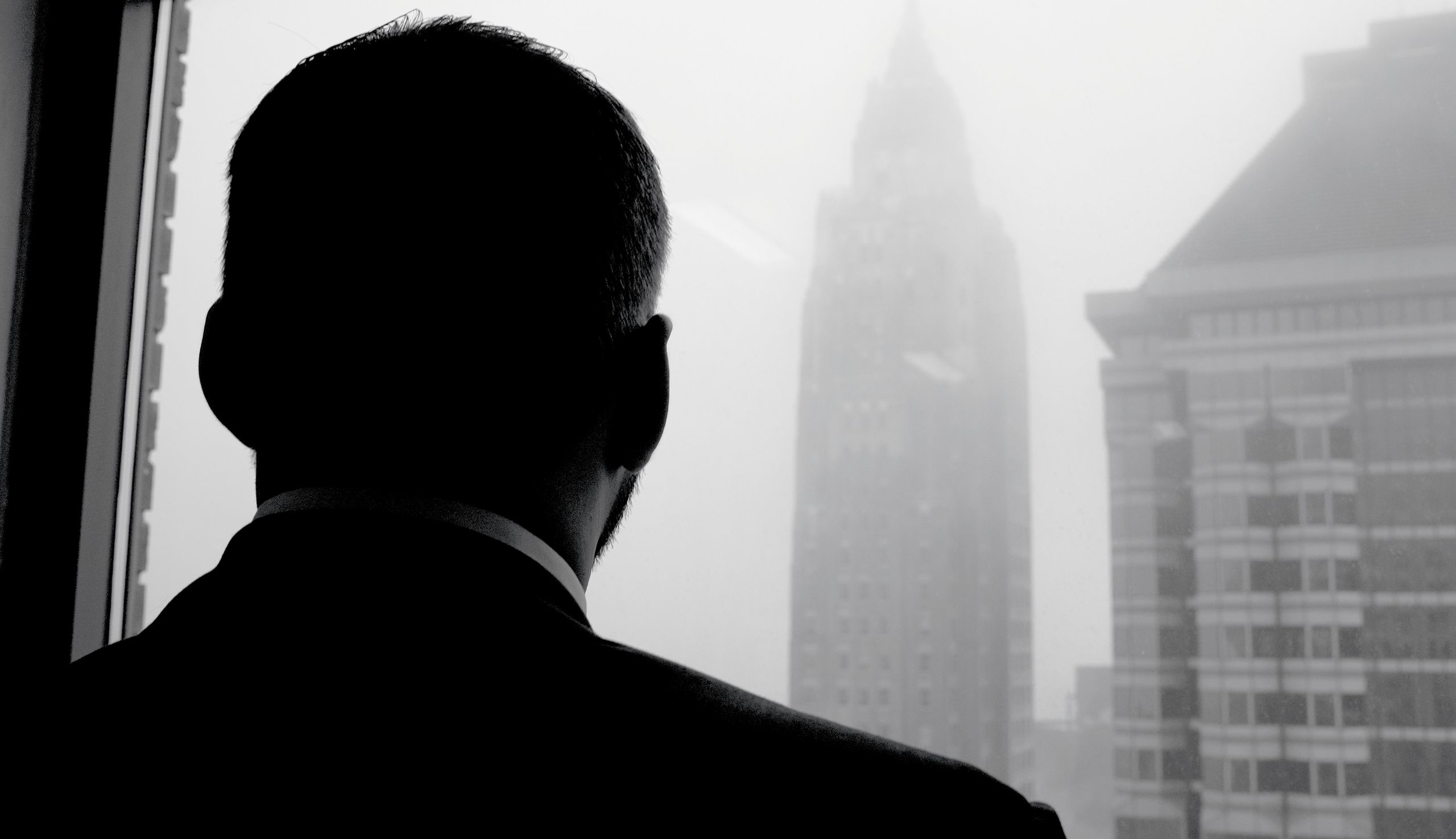
    On the 50th floor at 40 Wall Street in New York City, Nicholas Liakas stares out the window of his corner office as a slow-moving, gray layer of fog wraps around the downtown skyscrapers looming across a city block. Nicholas wears a nice suit, nice watch, nice shoes. The “Man in the Area” poster on the wall is nice. Even his office mini-fridge is nice. At the touch of a button, the clear glass interior windows can turn into a frosted privacy curtain, turning his office into a cloaked private bunker like in some sci-fi film.

    Very nice.

    The Trial Division at Liakas Law

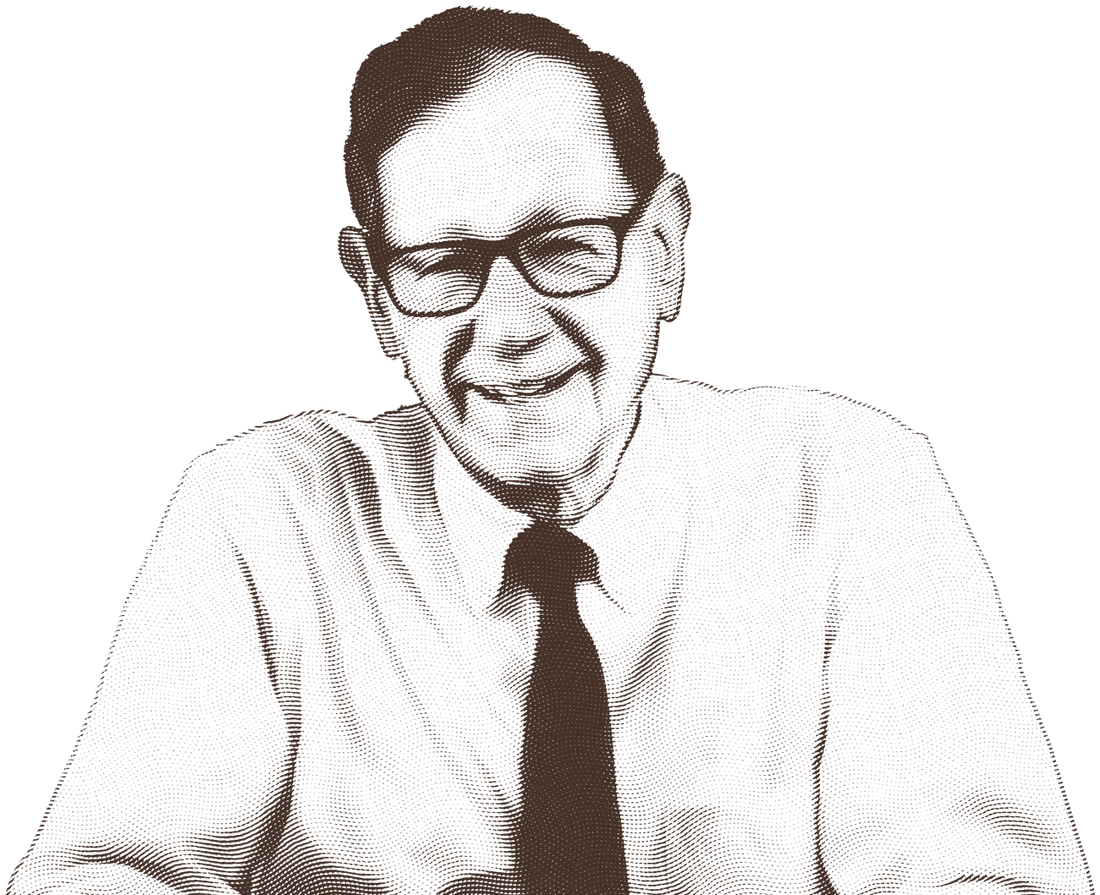
    Stipple portrait of Nicholas Liakas

    Nicholas Liakas Senior Partner and Trial Attorney

    Nicholas Liakas

    Senior Partner and Trial Attorney

    Teamwork makes the dream work: that’s not merely an axiom at Liakas Law. The personal injury firm was the dream of Nicholas and his two brothers, and its unusual team structure has helped fuel its success.

    Since being founded by Stephen, Dean, and Nicholas back in 2014, the New York firm has grown to more than 140 employees. “We formed in a small room in downtown Manhattan, and I shared an office with my two brothers, who are my partners. The room was probably about the size of my office now,” Nicholas Liakas recalls.

    “We knew that we could rely on each other, and we could trust each other in growing a business,” Liakas continues. “We were lucky to have that because most firms or young attorneys coming out don’t have that ability to partner up with like-minded individuals, to partner up with people you can trust without question and who will understand that years one through eight or one through five may not be easy. They’re not going to be fun, it’s certainly not going to be glamorous. But you have to build it if you want to build something that’s potentially generational, that can change individuals’ lives, and that people who have serious and catastrophic injuries are going to trust you to handle their case and to protect them and their families.”

    We knew that we could rely on each other, and we could trust each other in growing a business.

    That sense of trust in working toward a common goal, unwavering throughout a decade, is not the firm’s only defining element. There’s also its structure, with discrete teams for different types of cases, from motor vehicle accidents to premises liability to workers’ compensation.

    “Every department has a chair. Every department has multiple attorneys, paralegals, coordinators, dozens of people for each team so that we can really foster collaborative work,” Liakas says. “We want our clients to know that they have a team behind them. No matter how big or small their case, there are multiple attorneys. It’s important because the people in the companies we are facing are powerful. They have teams of their own.”

    In addition to having departments for individual practice areas, Liakas Law has a dedicated Trial Division, because trying cases in court is a specialty in and of itself, Liakas says: “It’s something that you have to want to learn and have to want to live.”

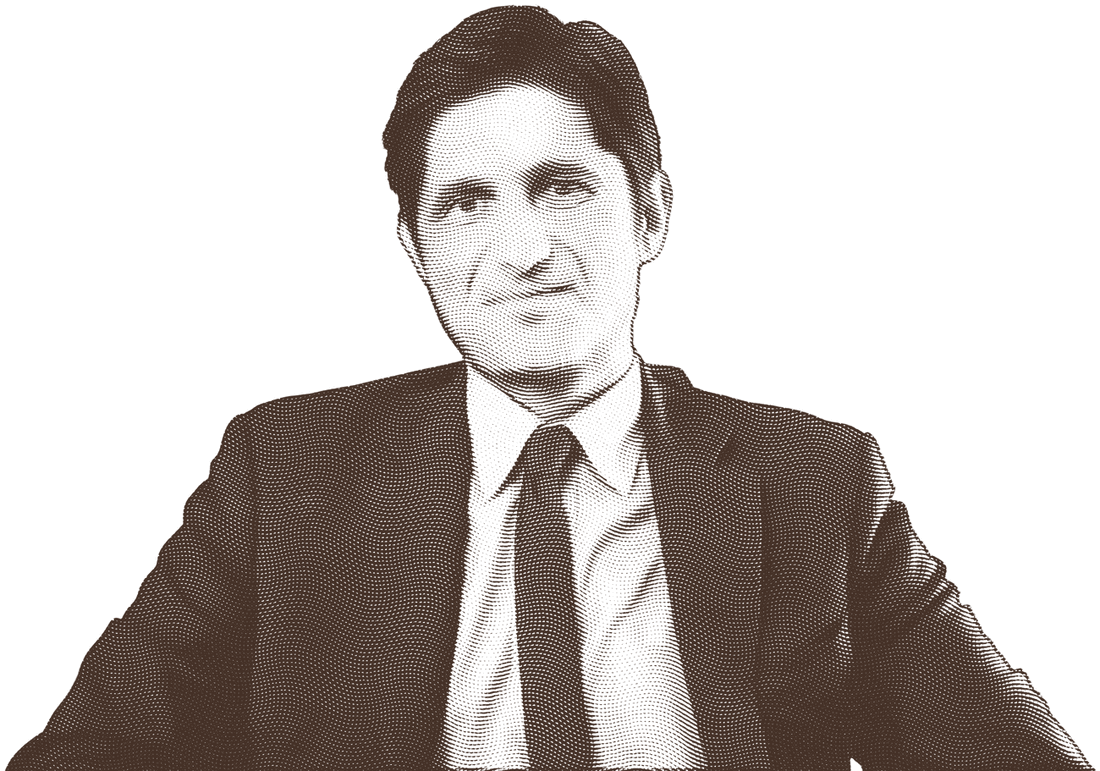
    Stipple portrait of Adam Wolk

    Adam Wolk Former Chair of the Trial Division Profile

    Adam Wolk

    Former Chair of the Trial Division

    Adam Wolk, who joined the firm in 2022, chaired the Trial Division. Adam is tall and lean, with dark circles under his eyes, either from a wild night out or a little kid depriving him of sleep (it’s the latter). His office is not in a corner. No “Minority Report” privacy glass either. A skeleton is propped up behind him. He keeps his hands busy, clicking a pen.

    “After they offered me the job at Liakas Law, Nick tells me, ‘By the way, Adam, we have an inquest your first week that we need you to take care of.’ So, the week before I go into the office, I look at the paperwork and realize: this isn’t an inquest; it’s a trial.”

    Adam ended up getting a $3.5 million jury verdict on that case that first week. The bar was set.

    “It’s a very individual, personalized job. I think that’s why I like it so much because I really do enjoy it. Nobody’s coming to see me when things are going good. They see me when they’re in a rough spot, and they need somebody who has expertise in an area that they’re unfamiliar with. So we need to look at a case that’s going to be on trial as soon as possible so we can be prepared. That is my job as a trial attorney: to put my clients in the best position to win a jury trial.”

    While people can go through horrible stuff, listening to them and being there for them can do more good than you’d ever think.

    Adam’s career is as unconventional as it is inspiring — he grew up with dreams of storytelling, originally through film, and found himself navigating life’s many detours, from driving a cab in Montauk to working on fishing boats. After some difficult crossroads and significant personal reflection, he eventually followed in his father’s and grandfather’s footsteps and turned to a life in law. But, for Adam, the courtroom has become a new kind of theater — a place where he can present powerful narratives on behalf of those who need their stories heard most.

    “To resonate with the jury, I need all the stories — the good and the bad,” Adam says, reflecting on his time spent traveling across the country working on high-litigation asbestos cases. “It made me realize that while people can go through horrible stuff, listening to them and being there for them can do more good than you’d ever think, both for them and for the case. It allowed me, as a trial attorney, to get the information I needed to actually do my job and pursue justice. Because when you’re talking about the loss of someone’s life, if we don’t win, at least I know we put everything out there.”

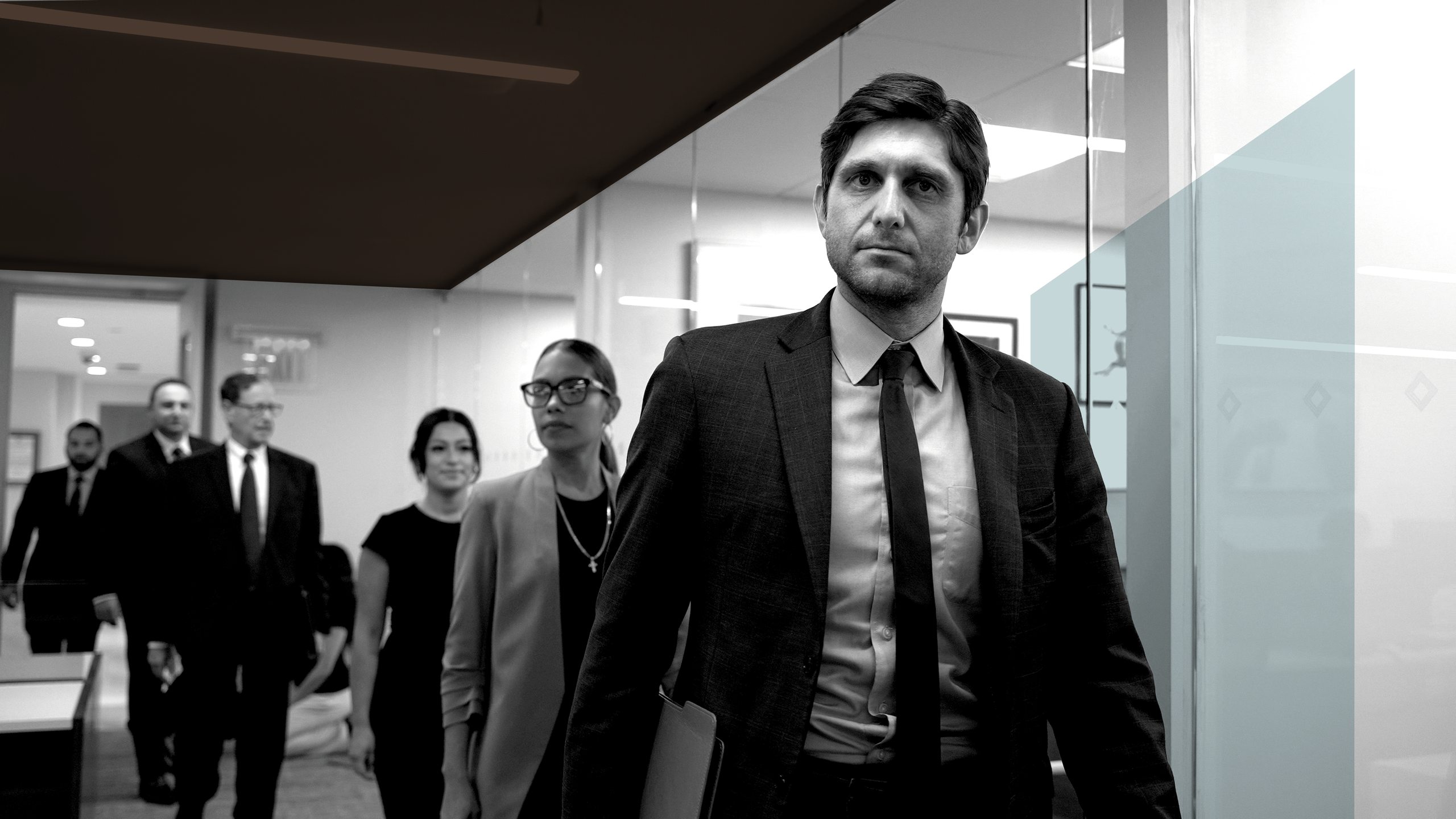
    Adam Wolk leads members of the Liakas Law team down an office corridor

    That’s my job as a trial attorney: to put my clients in the best position to win a jury trial.

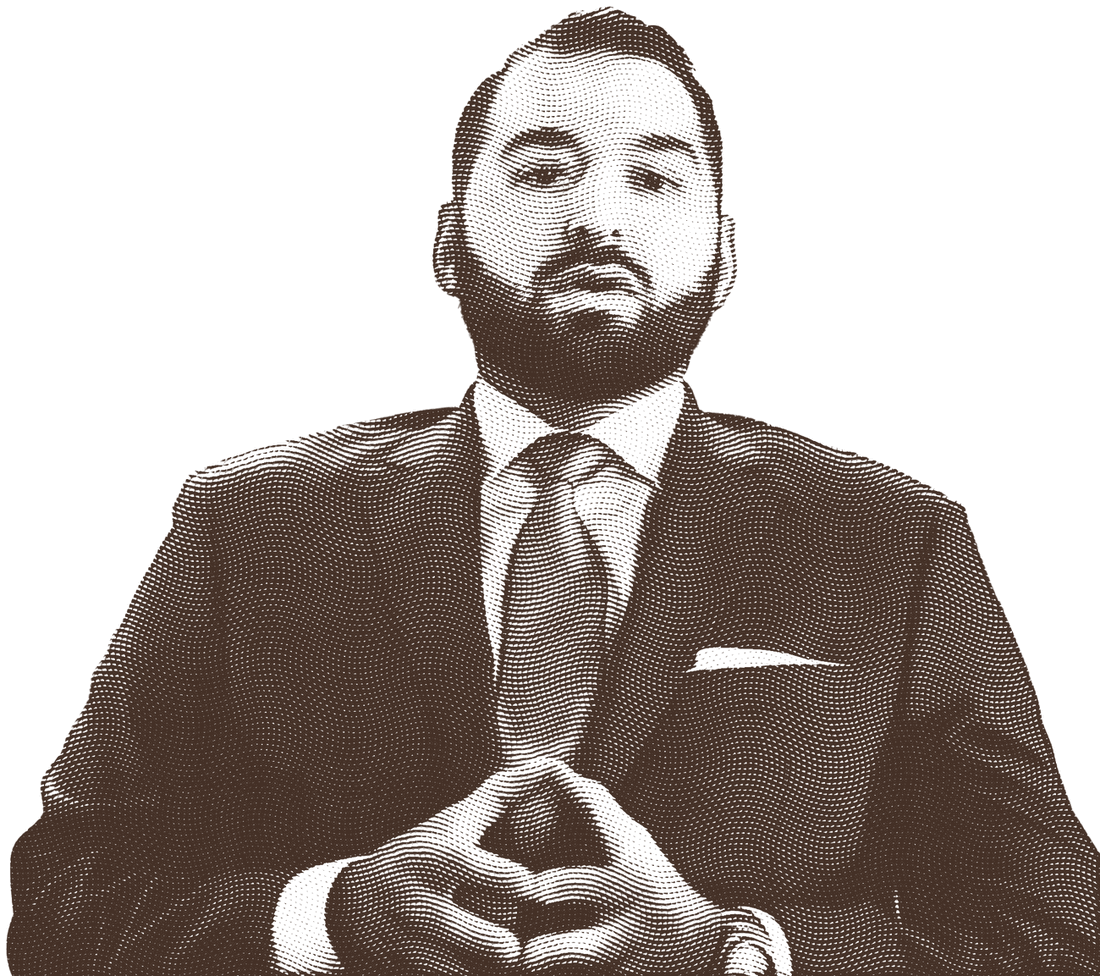
    Stipple portrait of Paul Bitetti

    Paul Bitetti Partner and Co-Chair of the Trial Division

    Paul Bitetti

    Partner and Co-Chair of the Trial Division

    Paul Bitetti is the other dedicated attorney in the Liakas Law Trial Division. A framed, autographed jersey of NFL linebacker Howie Long sits on his wall. A signed NFL football rests on a shelf.

    Paul is the type of guy who lives in New York but has season tickets to the Las Vegas Raiders. He’s the type of guy who can fly to Vegas for the weekend to watch the game (and do whatever successful trial lawyers in their 30s do in Vegas for 48 hours) and then get on the red-eye Sunday night and walk into the office by 8 a.m. on Monday. Paul credits his days as a former D-1 lacrosse captain for his competitiveness in the courtroom and time management skills.

    “Being a college athlete, you have to learn very early on to budget your time wisely,” he shares. “And time management, whether it be in sports or in your eventual career, is very important. I’ll have 20 to 40 trials coming up in a given year, and being able to take a little time for each one of them, while not neglecting any of them, is extremely important.”

    He also describes his job as a trial lawyer as being “the last line of defense for clients.” Most cases are resolved before they ever make it to the Trial Division, but when they do, “We go all in.”

    Most cases are resolved before they ever make it to the Trial Division, but when they do, “We go all in.”

    After intake is completed, the Trial Division will do a complete investigation of the case — whether that be with documents, photographs of the scene of the accident, medical records, anything to get a full understanding of it — so they are prepared and ready. Because in some scenarios, they will have a year or longer on the trial calendar, but other cases may only have a few months due to the length of discovery or other factors.

    “When the case does go to trial, we meet with the initial team that was handling the case so we get a full understanding of everything that’s going on — the good, the bad, the ugly — everything.”

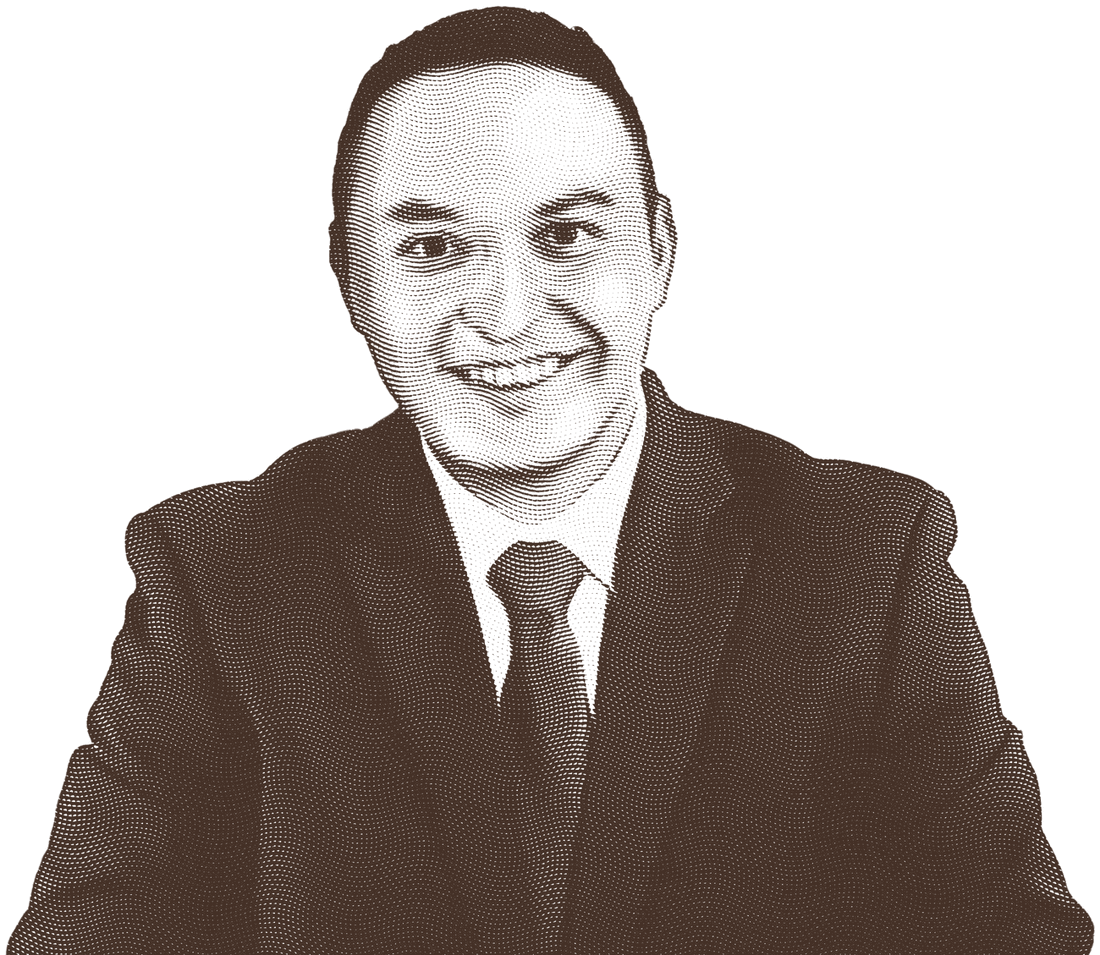
    Stipple portrait of Hon. Justice Mark Partnow (Ret.)

    Hon. Justice Mark Partnow (Ret.) Senior Partner

    Hon. Justice Mark Partnow (Ret.)

    Senior Partner

    Honorable Mark Partnow sits at his desk, a gavel in front of him. But unlike most gavels that might be sitting in a law office, he earned that gavel.

    Justice Partnow’s legal journey is a testament to lifelong dedication to a life of law. From his early fascination with the legal system to his role as a New York State Supreme Court judge, and now as a senior partner at Liakas Law, his career reflects a deep commitment to fairness and advocacy.

    “I used to love watching legal shows on TV,” he reminisced. “It occurred to me very early in my life that I could do that — I could put on the black robes and be a judge someday.” His passion led him to law school and, ultimately, to the Brooklyn political scene, where he gained critical connections that would later propel him into the judiciary.

    After graduating from the Benjamin N. Cardozo School of Law, Partnow began his career as a law clerk for two New York State Supreme Court judges. “I was fascinated by watching judges preside over trials and trial lawyers represent their clients. It gave me the opportunity to do a lot of legal research and writing.” This behind-the-scenes exposure to courtroom dynamics was instrumental in shaping his judicial philosophy and career trajectory.

    In 2002, his aspirations became a reality when he was elected as a Justice of the Supreme Court of the State of New York. Over his decades-long tenure, Justice Partnow became known for his impartiality and work ethic, qualities that earned him the respect of his colleagues and attorneys alike. “I’ve been told I presided over more trials in Brooklyn Supreme Court than any other judge in the state,” he said matter-of-factly.

    I have the opportunity to advocate for seriously injured individuals whose lives have been uprooted by negligence.

    “Every case kept me up at night. I loved being a judge, but every case — both on the criminal side and the civil side — people’s lives are affected by what a judge does. People’s lives are affected by what a jury ultimately does. So, as a judge, you try to make sure that justice is done.”

    Partnow transitioned to private practice, joining the Trial Division at Liakas Law as a Senior Partner. The move was a natural fit, given his respect for the firm’s professionalism and dedication to its clients. “I have the opportunity to advocate for seriously injured individuals whose lives have been uprooted by negligence,” he explained. “It’s critical that someone be held accountable for their wrongdoings, and I’m proud to be part of a team that fights for justice.”

    The Charging Bull statue on the cobblestones near Wall Street

    CloudLex has all the information in an easy-to-use platform I know my team will actually use.

    Avoiding the Element of Surprise

    For Liakas Law, CloudLex — one of the leading software platforms built exclusively for personal injury law — plays a major role in eliminating surprises by supporting every stage in the process, from intake to discovery to trial. The firm’s team structure ensures that each case is tended to by more people than at many other firms: “You’re going to have multiple secretaries, multiple paralegals, medical coordinators, and attorneys involved with your case who are making sure everything that needs to be done is done,” Bitetti says.

    Having a central, easily accessible source of truth is key, so that at any given time, a team member can refer to photographs, medical records, summonses, complaints, and every other potentially relevant record.

    “You need to know these cases inside and out,” Bitetti says. “You need to make sure you retain the right experts, the right treating physicians, and also bring your client in and speak to them and truly listen to them, not just read their deposition transcript.”

    “I want everything to be noted,” says Wolk. “CloudLex has that. It’s very simple. You press the plus button, you write a note, it has the date. You can reference people in the note.”

    Not only does Wolk reference others, but he also relies on being referenced: When an issue is filed, he’ll receive a note so that he knows a case needs to be prepared for trial. “At this point, I need to figure out who is supposed to post what records we have and what happened, what we have, what we need to have, and what I need to do in order to prepare for a trial that will happen in two years.”

    Given the myriad cases he’s overseeing at any one time, being able to easily and efficiently track, update, and be updated on each one is critical. “I need to make sure that if it’s a trip-and-fall, I have an engineer,” Wolk says. “If my client’s young and it’s an injury that’s going to get worse or deteriorate, I need to have a life care plan. So, the first thing I do is review it, note it, and send it off to the team.”

    CloudLex also helps him and his colleagues do what they can to avoid going to trial. “Because I’ve done the things to prepare to make the insurance company realize, ‘Hey, we should probably pay,’” Wolk adds. “So, part of my job is information gathering. CloudLex has all the information in an easy-to-use platform I know my team will actually use.” The software offers at least one other benefit to Wolk: “It reminds me of what I’ve done in cases, because my short-term memory sometimes is a bit shoddy,” he confesses with a slight grin.

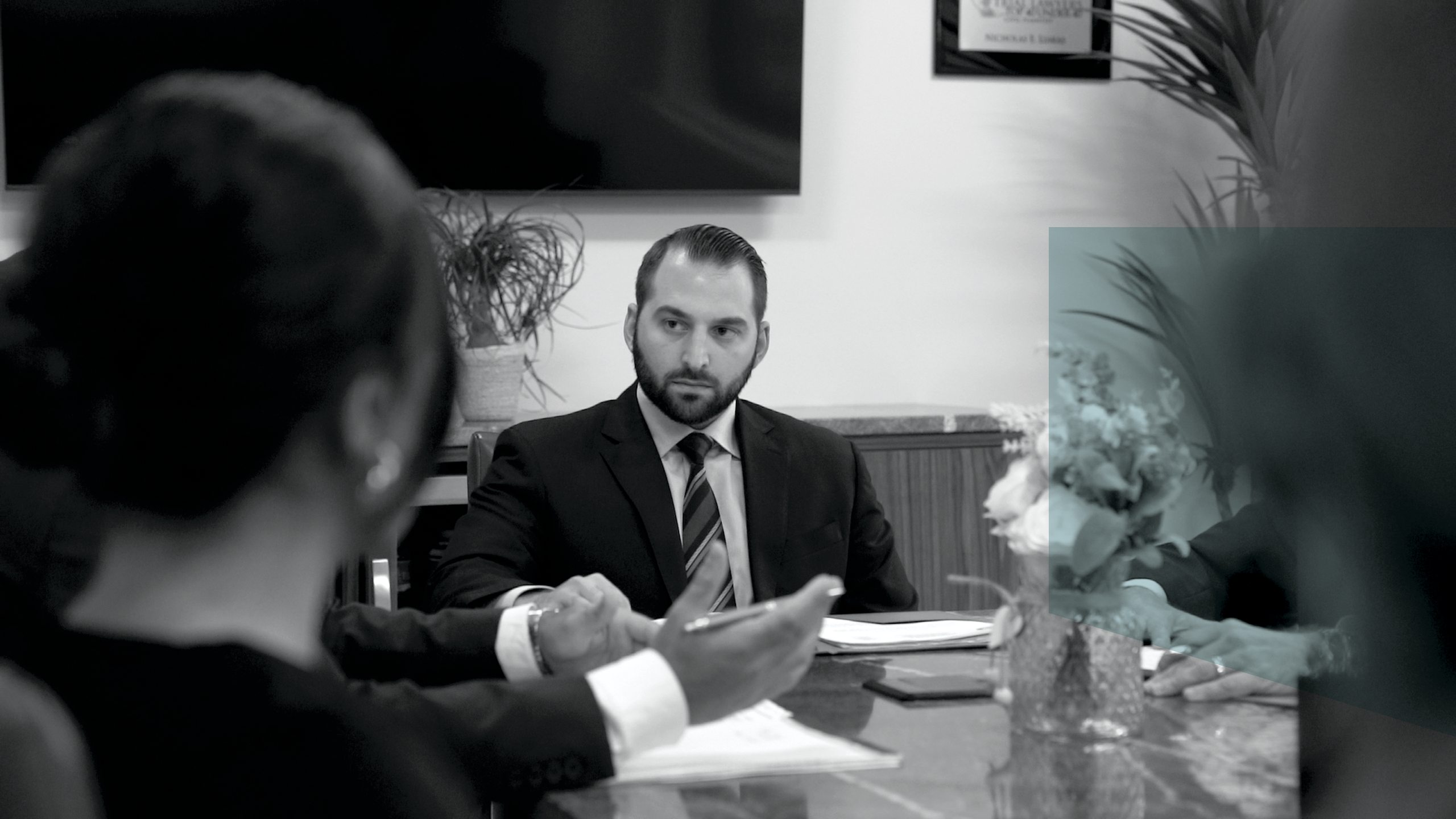
    Nicholas Liakas in a meeting at the Liakas Law offices
    Silhouette of a man looking out a high window at the fog-covered city

    Staying Connected In and Out of Court

    CloudLex also facilitates client communications, says Nicholas Liakas, who might see up to 20 clients in a day: “When a client comes in or I need to review case updates, I am turning to CloudLex to give me information immediately so that I can relate to our client. The client understands what’s going on. We can talk about the good, we can talk about the bad. And I have that information at my fingertips.”

    The firm relies on CloudLex in the courtroom as well as in the office. Not only do the attorneys access documents on their iPads when needed, but they also use the platform for a bit of in-court showmanship. “That old style of the big boards coming into courtrooms and holding the MRI films up to the light, that doesn’t work, because people don’t get captured by that,” Liakas says. “They don’t understand it. It’s really boring. So we’ve integrated the technology into the trial. All of my documents are available immediately at my fingertips. I can put them up on the TV screen at trial. We can highlight certain things. We can easily flip to what we need to get during a cross-examination or a heated argument in court. And it’s something that has helped us. I’ve actually gotten questions from defense attorneys and from other plaintiffs’ attorneys who have sat in on trials asking, ‘What kind of technology are you using?’”

    Like myriad other firms, Liakas Law relied on Excel spreadsheets, Word documents, and multi-ring binders in its early days. Now, with CloudLex, “we actually moved to entirely paperless files,” Liakas says. “Everything is at your fingertips. You’re able to access any document, you’re able to access notes, lien information, request medical records, case expenses. You’re able to track all of that and communicate with other team members. It’s all at your fingertips. And that’s something that was important to us in how we want to run our firm.” In fact, he calls CloudLex “an integral part of our law firm.”

    And by running their firm the way they do, the Liakas brothers have not only found justice for and improved the lives of their clients but also helped shape policy and law. The firm’s litigation on behalf of the families of clients killed by a fire spurred the establishment of federal safety regulations for space heaters; another case contributed to New York State bail reform; a third led to supervisory changes in a New York hospital system to better protect patients.

    1. 01FederalSafety regulations for space heaters
    2. 02New York StateBail reform
    3. 03A New York hospital systemSupervisory changes to better protect patients

    “We call it impact litigation,” Liakas says. “And that’s something we really take to heart. Having that impact on the individual and having that impact on the policy or the legislation or the procedure means a lot because that’s a way we can leave our mark and make our city better for everyone.”

    Looking up at downtown Manhattan skyscrapers disappearing into fog

    That’s a way we can leave our mark and make our city better for everyone.

    — Nicholas Liakas

    Discover Next

    Insights from PI Experts

    Learn from experts in personal injury about key cases, the business of law, and more insights that shape the future of trial law.

    Author