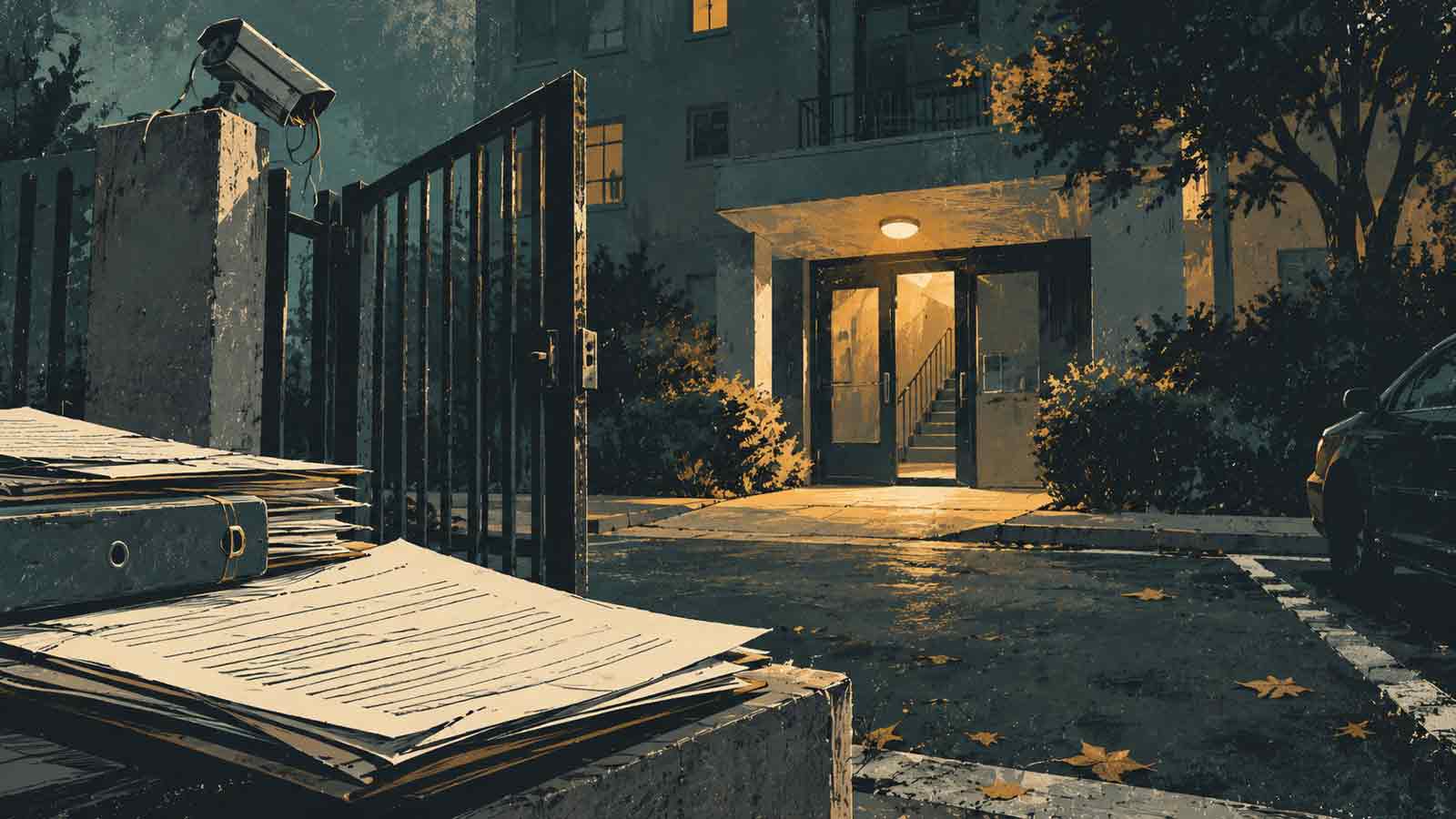
Negligent security is a type of premises liability claim that arises when a property owner fails to provide reasonable safety measures, leading to a preventable crime or injury. In these cases, the injury is often caused by a third party — such as an attacker — but the property owner may still be held responsible for failing to take proper precautions.
Negligent security claims commonly involve assaults, robberies or other violent incidents that occur in places like apartment complexes, hotels, parking garages, shopping centers or office buildings. Below, we’ll explain how negligent security works, what must be proven, what types of cases qualify and what compensation may be available.
When Does Negligent Security Apply?
Negligent security applies when a property owner fails to take reasonable steps to protect visitors from foreseeable criminal activity. Property owners have a legal duty to maintain reasonably safe premises for lawful guests.
This may include providing:
A negligent security claim may arise if:
A landlord ignores repeated break-ins.
A hotel fails to repair broken locks.
A shopping center does not address prior violent incidents.
A parking garage lacks lighting despite known criminal activity.
The key issue is foreseeability. If prior similar crimes occurred on or near the property, the owner may have a duty to increase security measures.
Without foreseeability, liability may be harder to establish.
What Must Be Proven in a Negligent Security Case?
To succeed in a negligent security claim, the injured party must generally prove:
The property owner owed a duty of care.
The owner failed to provide reasonable security.
The criminal act was foreseeable.
The failure contributed to the injury.
Damages resulted.
Even though a third party committed the crime, the focus is on whether the property owner’s negligence created or increased the risk.
Evidence in these cases may include:
Property owners are not automatically liable for every crime that occurs on their property. The plaintiff must show that reasonable precautions could have reduced or prevented the harm.
Where Do Negligent Security Incidents Commonly Occur?
Negligent security cases often arise in locations where people expect a basic level of safety.
Common settings include:
Apartment complexes
Hotels and motels
Shopping malls
Nightclubs and bars
Parking garages
College campuses
Office buildings
Hospitals
For example:
In each case, the question is whether reasonable security measures were in place.
Businesses and property owners are not required to guarantee safety, but they must act reasonably under the circumstances.
What Compensation Is Available in a Negligent Security Claim?
Victims of negligent security incidents may suffer serious physical and emotional harm.
Compensation may include:
Economic Damages
Non-Economic Damages
In extreme cases involving reckless disregard for safety, punitive damages may be available.
Because violent crimes often result in significant trauma, damages in negligent security cases can be substantial.
Insurance policies carried by property owners typically provide liability coverage.
How Is Foreseeability Determined?
Foreseeability is one of the most important elements in negligent security cases.
Courts may consider:
Prior similar crimes on the property
Crime rates in the surrounding area
Police reports
Internal incident reports
Warnings or complaints from tenants
If a property owner knew — or should have known — about a pattern of criminal activity, they may be required to implement stronger security measures.
However, isolated or unpredictable crimes may not establish liability.
Each case is evaluated based on the totality of circumstances.
An experienced attorney may work with security experts to evaluate whether industry standards were met.
Conclusion
Negligent security is a premises liability claim that arises when a property owner fails to provide reasonable safety measures, resulting in foreseeable criminal harm. Although the crime is committed by a third party, the property owner may share responsibility if their negligence contributed to the incident.
These cases often involve serious physical injuries and emotional trauma. Proving foreseeability and inadequate security measures is key to establishing liability.
If you or a loved one has been injured due to unsafe property conditions, consulting with an experienced personal injury attorney can help you understand your rights and determine whether a negligent security claim may apply.