



Suite 500
Atlanta, Georgia 30326


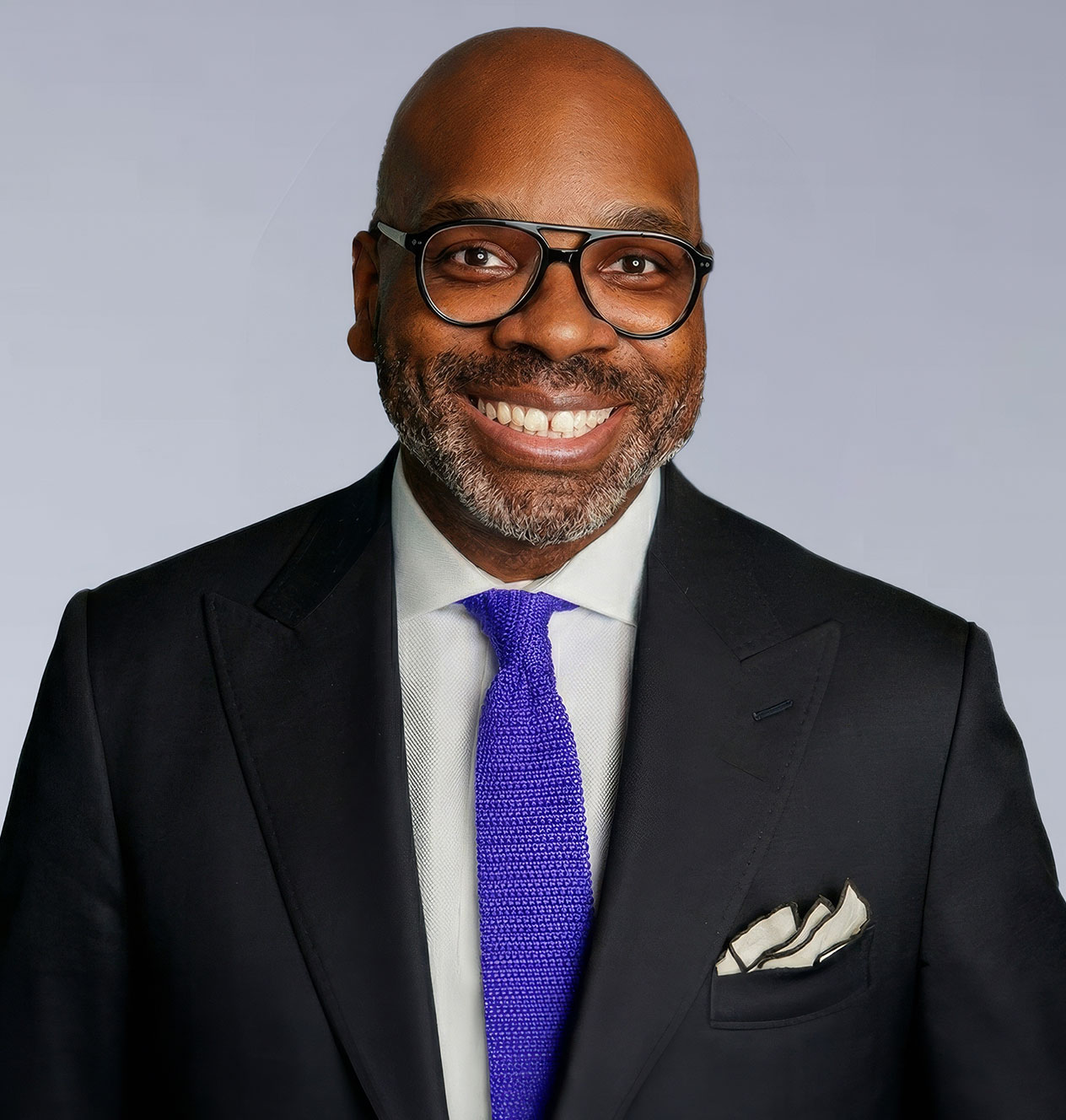
Frequently Asked Questions about Jason Green
Why did Jason Green want to become a trial lawyer?
Green didn’t set out to try cases. His father, a former civil rights attorney for the federal government, had stopped practicing before Green was born but was the person their church turned to for advice, and father and son watched “Perry Mason” and “L.A. Law” together. At the University of Georgia School of Law, a mandatory first-year moot court competition changed things: entering only to check the box, he kept advancing to the round of eight. Early criminal work in Athens, Georgia, confirmed it. “The course was chartered,” he says.
What makes Jason Green different from other personal injury lawyers?
Green credits his “prosecution bent.” More than a decade prosecuting felonies, including more than 30 murder trials, taught him to build every case for trial from the day the file arrives. Georgia criminal practice, he says, is “trial by ambush” — he once faced a surprise alibi witness in front of a jury — which bred fearlessness and quick thinking he now uses for injured clients. Five years in insurance defense showed him how carriers evaluate claims. “I have learned to let the truth of the matter be my North Star,” he says.
What case does Jason Green still think about?
The Espinoza case. His client was a loan officer, mother of three and sole caregiver for a husband left bedridden by a stroke. T-boned in a serious collision, she suffered three cervical disc herniations, and about a year into treatment she flatlined during an injection; she was revived but with far worse deficits. The defense called it a minor wreck and blamed the doctor. Green put her school-age son on the stand to describe helping his mother bathe and dress, showing the full human toll, and the jury found for the family.
What is Jason Green’s “Closing Argument”?
Green tells the story of Hope, a professional boxer clipped by an Atlanta police detective making a U-turn as he rode a dirt bike home. Sidelined for two and a half years, he became depressed and suicidal. The city made a nuisance offer and blamed him — the bike, the headlights, stereotypes about a young Black man with dreads. Green’s “trial by human” approach, built on interviews with Hope’s coach, sparring partners and family, won a seven-figure verdict. Hope bought a house and started a nonprofit for troubled young men.
What did Jason Green do before practicing personal injury law?
He spent more than a decade as a prosecutor, including at the DeKalb County and Clayton County district attorney’s offices and Fulton County’s Major Case Division, trying dozens of serious felonies and death penalty cases. One capital arson case involved a woman who set hotel mattresses on fire, killing five people; working with the ATF, he pieced together surveillance footage to win a conviction. After an unsuccessful run for district attorney, he spent about five years in insurance defense before switching sides for good, later practicing at Morgan & Morgan.
What types of cases does Jason Green handle at Bader Law Injury Lawyers?
At Bader Law Injury Lawyers in Atlanta, Georgia, where he became lead personal injury attorney at the start of 2026, Green represents individuals and families in complex personal injury and wrongful death cases, preparing each one as though it will be tried. He has won multiple seven-figure jury verdicts across Georgia, including a verdict for a pedestrian struck by a law enforcement vehicle and a verdict in an auto collision case with catastrophic complications. He is a member of the American Board of Trial Advocates. The firm’s website is baderlaw.com.
Where did Jason Green go to law school, and where is he admitted to practice?
Green earned his undergraduate degree from Morehouse College and his law degree from the University of Georgia School of Law, where he served as president of the Black Law Students Association and competed on, and later coached, the moot court team. He is admitted to practice in Georgia and is a member of the State Bar of Georgia and the American Board of Trial Advocates. He began his legal career in Athens, Georgia, gaining early criminal experience before moving into prosecution and, eventually, plaintiff’s personal injury work.