



New York, New York 10017


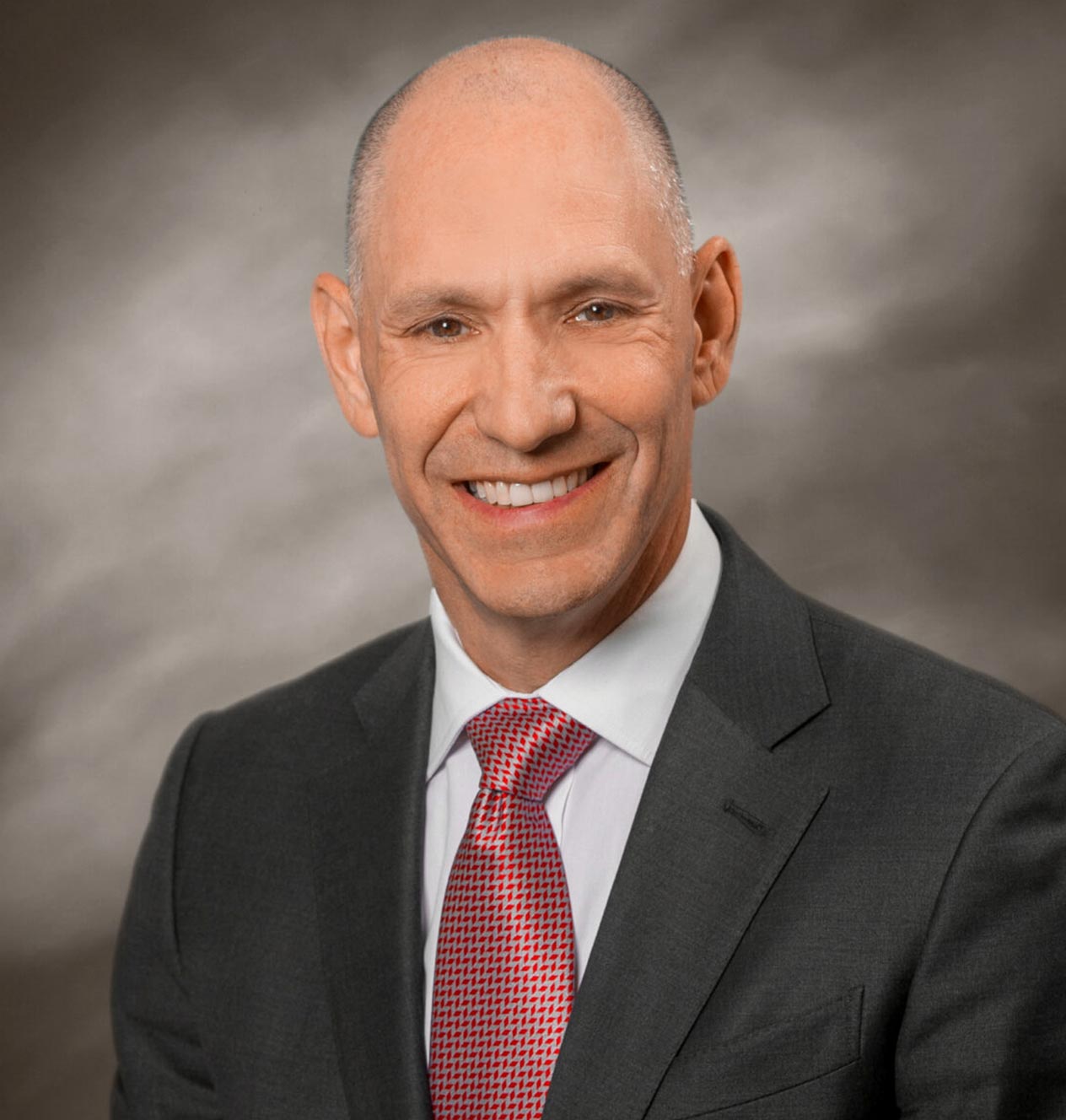
Frequently Asked Questions about Alan Ripka
Why did Alan Ripka want to become a trial lawyer?
Alan Ripka grew up in Queens on a pre-med track, studying biochemistry because his parents expected a doctor or dentist. Then his brother Robbie, a week before his high school graduation, was killed on Sugarbush Mountain when he swerved to avoid a fallen child and struck a ski lift. Devastated, Alan decided he could help families like his own by becoming a lawyer, someone who could speak for people who could not speak for themselves. He switched from medical school to law school immediately.
What makes Alan Ripka different from other medical malpractice and catastrophic injury lawyers?
Alan credits his years as a Brooklyn assistant district attorney, where he was in court all day, every day, with no Zoom and 40 or 50 files on his desk. His particular skill, he says, is stripping a case down to what is actually in dispute. A lesson from Judge Jed Rakoff during a mail truck crash trial stuck with him: “Admit when you’re wrong, fight when you’re right.” He believes a lawyer needs 15 years and at least 50 trials before teaching anyone anything.
What case does Alan Ripka still think about?
A New York elevator mechanic whose arm was severed when a co-worker hit a switch. The man later described reaching for his phone with the arm he no longer had. Others said workers’ compensation barred the case, but Alan pursued it. On March 13, 2020, he stood to open before a packed Brooklyn jury when the judge announced the courthouse was closing because of COVID-19. The case resolved two years later. “You have to be them,” he says, “not you.”
What is Alan Ripka’s “Closing Argument”?
Alan calls being a trial lawyer the greatest gift he could have been given by God and his family. His job is standing in the shoes of people who lack the license or training to speak for themselves. “We’re no better than our clients,” he says. That commitment means being on 24/7, leaving birthdays and weddings when necessary, arriving at court first and leaving last, and rewriting cross-examinations and closings until they are memorized, so no client is ever left behind.
How is Alan Ripka involved in the Stayskal Act?
Alan represents U.S. Army Sgt. Richard Stayskal, whose chest CT scan was read as clear before a later scan revealed a large lung cancer tumor that had been missed. That case inspired the SFC Richard Stayskal Military Medical Accountability Act of 2019, signed December 20, 2019, which for the first time in a century lets active-duty service members bring medical malpractice claims against the Department of Defense. Claims go to a military panel rather than a court, with pain and suffering capped at $750,000.
Where did Alan Ripka go to law school, and how did his career begin?
Alan graduated from Brooklyn Law School and interned at the Kings County District Attorney’s Office from 1988 to 1989 before being appointed an assistant district attorney in 1989, one of 32 chosen after five interviews. His first trial, taken when he volunteered as a newcomer, involved a man who blinded his girlfriend with a lion ring. Alan won a conviction by getting the defendant to admit the ring was part of him. He moved to plaintiff-side personal injury practice in 1992.
Where is Alan Ripka’s firm located, and what types of cases does it handle?
Alan is senior partner at Alan Ripka & Associates, LLP in New York, New York, online at alanripka.com. Since 1992 the firm has represented plaintiffs exclusively in high-stakes injury and catastrophic loss matters, including medical malpractice, product liability, construction accidents and complex civil litigation, along with military medical malpractice claims under the Stayskal Act. Alan belongs to the American Association for Justice, the New York State Bar Association, the New York County Lawyers Association and the Former Assistant District Attorneys Association.