The Trial Lawyer's Journal

TLJ Small Logo
Close
Group 39053677
Share Your Story with Trial Lawyer’s Journal
Trial Lawyer’s Journal is built on the voices of trial lawyers like you. Share your journey, insights, and experiences through articles, interviews, and our podcast, Celebrating Justice.
Stay Updated
Sign up for our newsletter to get the latest from TLJ.


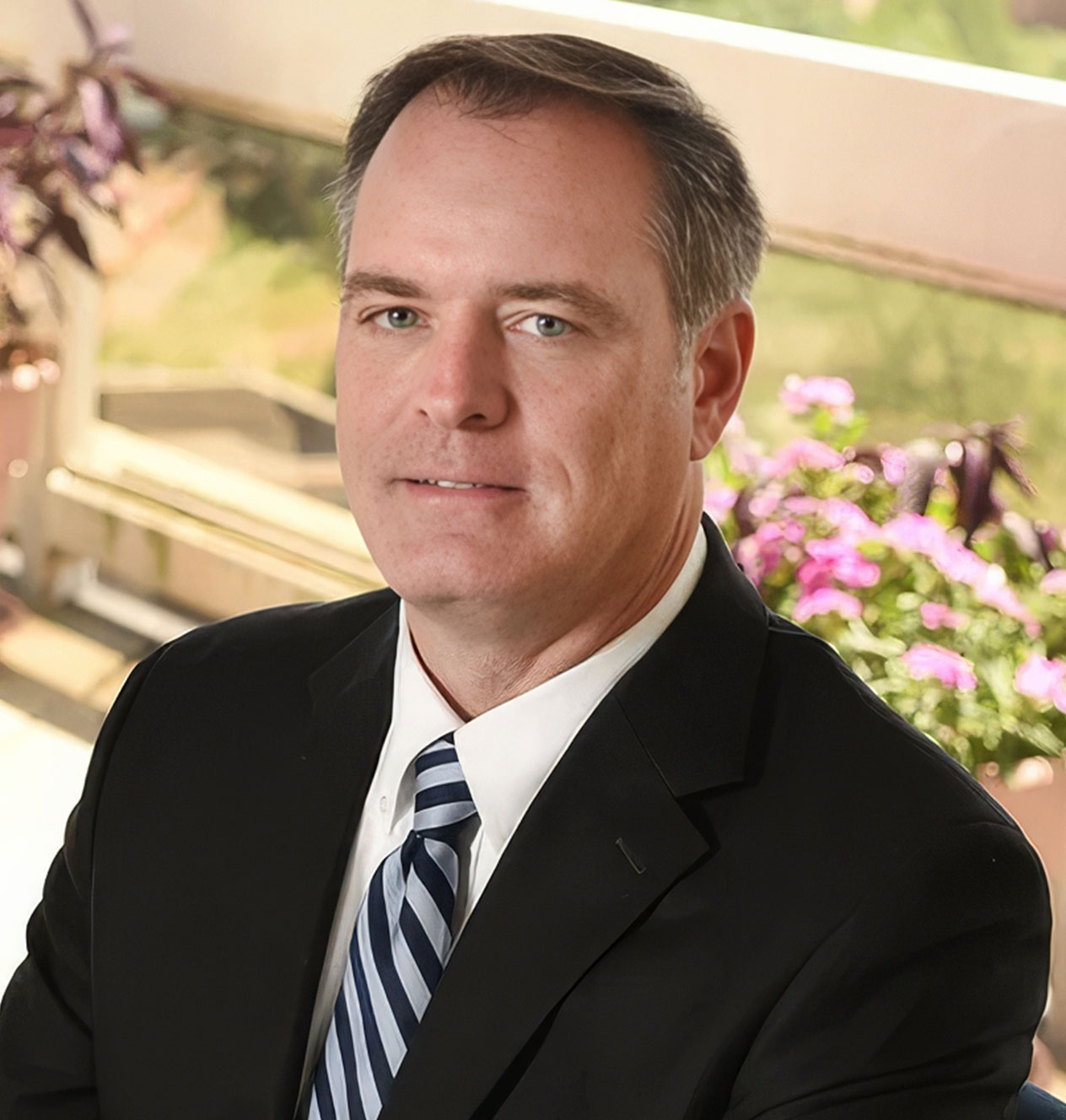
    Robert Bilott

    Partner | Taft Stettinius & Hollister LLP

    Robert Bilott is a PFAS (per- and polyfluoroalkyl substances) litigation & regulation, environmental litigation and class action litigation trial lawyer and partner at Taft Stettinius & Hollister LLP in Cincinnati, Ohio. Admitted in Ohio; J.D., Ohio State University Moritz College of Law (1990). Guest on “Celebrating Justice” Ep. 57 and a contributor to Trial Lawyer’s Journal.

    Taft Law

    Meet Robert

    Contact

    (513) 357-9638
    425 Walnut Street, Suite 1800
    Cincinnati, Ohio 45202

    Stay Connected

    “What began with that phone call turned into what became almost now three decades of working on the plaintiff’s side — working with folks who’ve been injured by chemicals getting into the environment.”

    Robert Bilott did not set out to be a trial lawyer. He considered architecture and city planning before his father — an Air Force veteran who enrolled in law school after retirement — encouraged him to take the LSAT. In 1990, Bilott earned his J.D., cum laude, from the Ohio State University Moritz College of Law and joined Taft Stettinius & Hollister LLP in Cincinnati, where he has practiced for more than 35 years.


    His first eight years at Taft were spent on the corporate defense side of environmental law, representing large chemical companies in regulatory and compliance matters. He made partner in 1998. That same year, a call from West Virginia farmer Wilbur Tennant — whose cattle were dying near a DuPont landfill — redirected his career entirely. As Bilott reviewed what became millions of pages of DuPont’s internal documents, he found that the company’s own scientists had identified PFOA as hazardous and said nothing. That discovery became the foundation for one of the longest and most consequential environmental legal battles in U.S. history.


    In 2001, Bilott filed a federal class action on behalf of approximately 70,000 West Virginia and Ohio residents with PFOA-contaminated drinking water, settling in 2004 for benefits valued at over $300 million. Thousands of subsequent individual personal injury cases resulted in a $671.7 million settlement with DuPont in 2017, with total recoveries against DuPont ultimately exceeding $850 million. In 2023, Bilott was part of the legal team that reached the largest drinking water settlements in U.S. history — over $13 billion — with 3M and DuPont-related companies in the national AFFF multi-district litigation.


    His work became the subject of a 2016 New York Times Magazine cover story, the 2019 feature film “Dark Waters” starring Mark Ruffalo, and his memoir “Exposure, ” published by Atria Books. In April 2024, the Biden administration announced the first federal drinking water standards for PFOA and PFOS — a regulatory outcome Bilott had formally petitioned the EPA to pursue in 2001.


    Bilott is a lecturer at the Yale School of Public Health, a Fellow of the Right Livelihood College, and an Honorary Professor at the National University of Cordoba in Argentina. He received the Right Livelihood Award — widely known as the “Alternative Nobel Prize” — in 2017.

    Podcasts

    Robert Bilott “Celebrating Justice” Ep. 57

    Listen Now

    Presented by

    Profile Image

    Experience and Expertise

    Qualifications

    Timeline

    • New College of Florida — B.A., Political Science and Urban Studies (1987)
    • Ohio State University Moritz College of Law — J.D., cum laude; Managing Editor, Ohio State Law Journal (1990)
    • Taft Law — Associate, Environmental Group; Ohio Bar Admission (1990)
    • Taft Law — Elected Partner (1998)
    • DuPont PFOA Federal Class Action Filed — approximately 70,000 plaintiffs in West Virginia and Ohio (2001)
    • DuPont PFOA Class Action Settlement — benefits valued at over $300 million (2004)
    • New York Times Magazine Cover Story — “The Lawyer Who Became DuPont’s Worst Nightmare” (2016)
    • Right Livelihood Award (“Alternative Nobel Prize”) (2017)
    • Dark Waters film released; Exposure memoir published by Atria Books (2019)
    • First Federal PFOA/PFOS Drinking Water Standards Announced; AFFF MDL settlements with 3M and DuPont-related companies valued at over $13 billion (2023–2024)

    Practice Areas

    PFAS (Per- and Polyfluoroalkyl Substances) Litigation & Regulation
    50%
    Environmental Litigation
    20%
    Class Action Litigation
    15%
    Product Liability and Mass Torts
    10%
    Environmental Regulatory
    5%
    • American College of Environmental Lawyers — Fellow (2024)
    • Cincinnati Academy of Leadership for Lawyers (CALL) — Member, Class V
    • Cincinnati Bar Association — Member; Former Chair, Environmental Law Committee (2013)
    • Kentucky Bar Association — Member
    • The National Trial Lawyers Association — Member
    • Right Livelihood College — Fellow
    • Less Cancer (Next Generation Choices Foundation) — Board Member
    • New College Foundation — Board Member (2024–2026)
    • Green Umbrella Regional Climate Collaborative — Board Member (2020–2025)
    • New College Alumni/ae Association — Former Member, Board of Directors (2018–2021)
    • Yale School of Public Health, Department of Environmental Health Sciences — Lecturer
    • National University of Cordoba, Argentina — Honorary Professor
    • DuPont PFOA Class Action Settlement — WV & OH (2004): Class benefits valued at over $300 million, including $70M cash, filtration plants for six affected water districts and dozens of private wells, and up to $235M in medical monitoring provisions.
    • DuPont Individual Personal Injury Trial Verdicts — First Three Cases (Pre-2017): Jury verdicts totaling $19.7 million.
    • DuPont Individual Personal Injury Settlement (2017): $671.7 million settlement covering thousands of pending individual claims.
    • DuPont/Chemours Additional PFAS Settlements (2021): $83 million, announced alongside a broader $4 billion DuPont-Chemours PFAS liability agreement.
    • DuPont-Related Cancer Case Settlements (2024): $58.5 million in additional trial verdicts and settlements. Total recoveries against DuPont exceed $850 million.
    • AFFF MDL — 3M & DuPont Public Water System Settlements (2023): Over $13 billion — the largest drinking water settlements in U.S. history.
    • AFFF MDL — Tyco & BASF Public Water System Settlements (2024): Valued at approximately $1 billion.
    • AFFF MDL — PFAS Private Drinking Water Well Class Settlement, Wisconsin (2021): Co-class counsel; settlement benefits in excess of $15 million.
    • State of Ohio PFAS Settlement — DuPont-Related Companies (2024): $110 million.
    • State of New Jersey PFAS Settlement — 3M (2025): Up to $450 million.
    • State of New Jersey PFAS Settlement — DuPont-Related Companies (2025): Benefits valued at over $2 billion.

    Frequently Asked Questions about Robert Bilott

    Why did Robert Bilott become a trial lawyer?

    Robert Bilott never planned on it. He wanted to be an architect, then a city planner, and was headed to graduate school when his father, who had retired after 20 years in the Air Force and enrolled in law school because he always wanted to be Perry Mason, urged him to take the LSAT. No one in the family had been a lawyer. He earned his J.D. in 1990, joined Taft Law’s environmental group in Cincinnati and spent eight years defending chemical companies before a 1998 phone call changed everything.

    What makes Robert Bilott different from other environmental and PFAS lawyers?

    He came to trial work “kicking and screaming.” Robert describes himself as the quiet one in the back row who preferred digging through documents and writing briefs, until he watched trial lawyers like Mike Papantonio and Gary Douglas weave years of his detail into a story a jury could grasp. That drew him to storytelling beyond the courtroom: a book, a feature film, documentaries and public speaking. He also credits his eight years on the defense side with helping him understand both sides and reach innovative settlements.

    What is a case that mattered to Robert Bilott?

    One of his first trials was defending a company accused of pollution and noise affecting nearby residents; as defense lawyers, he recalls, they focused on what the law required rather than the impact on people, and he now calls that critical training. The case that redefined his career came in 1998, when West Virginia farmer Wilbur Tennant, referred by Robert’s grandmother in Parkersburg, called about cattle dying near a DuPont landfill. Millions of pages of DuPont documents showed the company’s own scientists had flagged PFOA as hazardous and said nothing.

    What is Robert Bilott’s “Closing Argument”?

    Robert’s closing thought is that the chemicals he fought over in West Virginia and Ohio 30 years ago are the same PFAS now turning up in water, soil, air, plants, animals and people around the planet. When they surface in Japan, Australia or Italy, communities treat them as something new to be studied from scratch, while manufacturers keep telling lawmakers not enough is known. He argues the history and science already exist, the top U.S. agency now agrees, and that data should be used everywhere the chemicals are found.

    What has Robert Bilott’s PFAS litigation achieved?

    In 2001 he filed a federal class action for approximately 70,000 West Virginia and Ohio residents with PFOA-contaminated water, settling in 2004 for benefits valued at over $300 million. The first three individual trials produced verdicts totaling $19.7 million, thousands of individual claims settled for $671.7 million in 2017, and total recoveries against DuPont exceed $850 million. In 2023 he was part of the team that reached over $13 billion in AFFF MDL settlements with 3M and DuPont-related companies, the largest drinking water settlements in U.S. history.

    Why does Robert Bilott say modern discovery rules could bury the next big case?

    Because the DuPont case began in the late 1990s, Robert received hard-copy files he could read chronologically with paralegal Kathleen Welch, which is how he found the company’s own lawyers and scientists calling PFOA hazardous. Today, he says, he would have to negotiate agreed search terms with DuPont before discovery began, and he did not even know the chemical’s name, let alone that the company used eight different ways of referring to it. He warns law students that in a cover-up case, that makes discovery “almost an oxymoron.”

    Where did Robert Bilott go to law school, and where is his firm located?

    Robert Bilott earned a B.A. in political science and urban studies from New College of Florida in 1987 and his J.D., cum laude, from the Ohio State University Moritz College of Law in 1990. He was admitted in Ohio that year and joined Taft Stettinius & Hollister LLP in Cincinnati (taftlaw.com), becoming partner in 1998. His work led to a 2016 New York Times Magazine cover story, the 2019 film “Dark Waters,” his memoir “Exposure” and the 2017 Right Livelihood Award.

    Print is Alive

    Trial Lawyer's Journal sets a new standard for law journal publications. With limited ads and one-of-a-kind content, it was created to celebrate wins both in and outside the courtroom.