



Charleston, South Carolina 29403


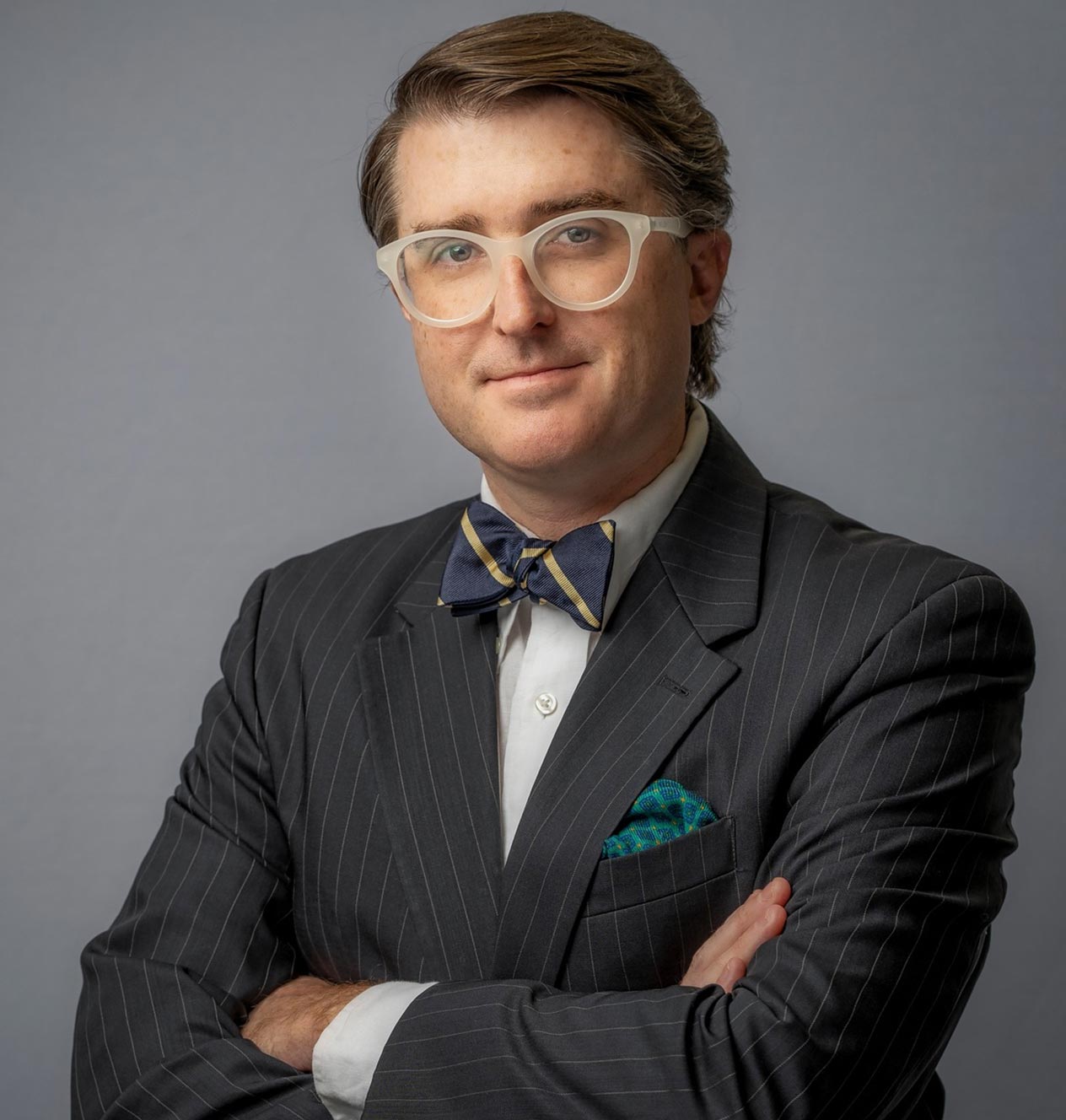
Frequently Asked Questions about Roy Willey
Why did Roy Willey want to become a trial lawyer?
Roy Willey was the skinny, freckle-faced kid, raised largely by a single mother in an athletic community where he did not fit in. “I refuse to allow people to be taken advantage of,” he says. He knew no lawyers before college, where he studied government intending to help as many people as possible through politics. By junior year, mentors including lawyer Charlie Ness and Reverend Peter Gomes had him torn between law and divinity school, until professor Harvey Cox told him to sit for the LSAT first.
What makes Roy Willey different from other personal injury and wrongful death lawyers?
Roy says he approaches every day asking how his work can help the most people, whether through class actions, mass torts or one-off cases that test a new legal theory. Unlike friends who became lawyers to earn money, he takes cases knowing his hourly return will be lower because they matter. He also runs what he calls a “trial ready process”: although 98% of cases settle, every file is built as if it will be tried, which keeps leverage real. He has cases pending in 35 or 40 states.
What case does Roy Willey still think about?
The wrongful death case for Dawn, mother of Brittanee Drexel, a 17-year-old from upstate New York who vanished on spring break in Myrtle Beach, South Carolina. Dawn moved to Myrtle Beach, ran billboards and marches and eventually persuaded the FBI to take the case. A cell phone ping led agents to a registered sex offender who confessed and led them to her remains. Other lawyers had asked how the case could make money; Roy took it because Dawn wanted full justice. A Georgetown County jury returned a $700 million verdict.
What is Roy Willey’s “Closing Argument”?
“We don’t get to pick the easy fights. We get to pick the worthy ones,” Roy says. People come to trial lawyers when the bottom has fallen out, and they need a human being who stands with them when everyone else steps back. He works for underdogs who have been told they have no case. With four kids who will one day ask what he stood for, he wants to say he did not flinch. Justice, he says, is a daily decision, and a lawyer’s greatest asset is humanity.
Where did Roy Willey go to law school, and where is he admitted to practice?
Roy earned an A.B. in Government from Harvard University in 2009, where he also audited classes at the law school and the divinity school and filmed a documentary on snake-handling churches in Appalachia for a doctoral-level course. He received his J.D. from Charleston School of Law in 2012 and was admitted to the South Carolina Bar in 2013. He has said he may one day answer a calling to preach, but for now his practice takes him to courtrooms across the country.
Where is Roy Willey’s firm located, and what types of cases does it handle?
Roy is a trial lawyer at Anastopoulo Law Firm in Charleston, South Carolina, online at akimlawfirm.com. His practice spans medical malpractice, catastrophic personal injury, wrongful death, civil rights, mass torts and class actions, often against powerful adversaries on behalf of people who are overlooked. One of his main filters for taking a case is whether he likes the client, because litigation carries enough friction already. He describes his work as ensuring people harmed by negligence or injustice are seen, heard and compensated.
What verdicts and recognitions has Roy Willey earned?
Roy was lead counsel in Conley v. Moody, the 2025 Georgetown County wrongful death case that produced a $700 million verdict, $200 million in compensatory and $500 million in punitive damages, which media reported as the largest individual wrongful death verdict in South Carolina history. He also won a $10 million jury verdict against Walmart for an amputee client. He has been selected to Super Lawyers for multiple years and recognized by Best Lawyers in America, including for Medical Malpractice Plaintiffs in 2026.