By Jamey Hecht, PH.D, PSY.D, POET
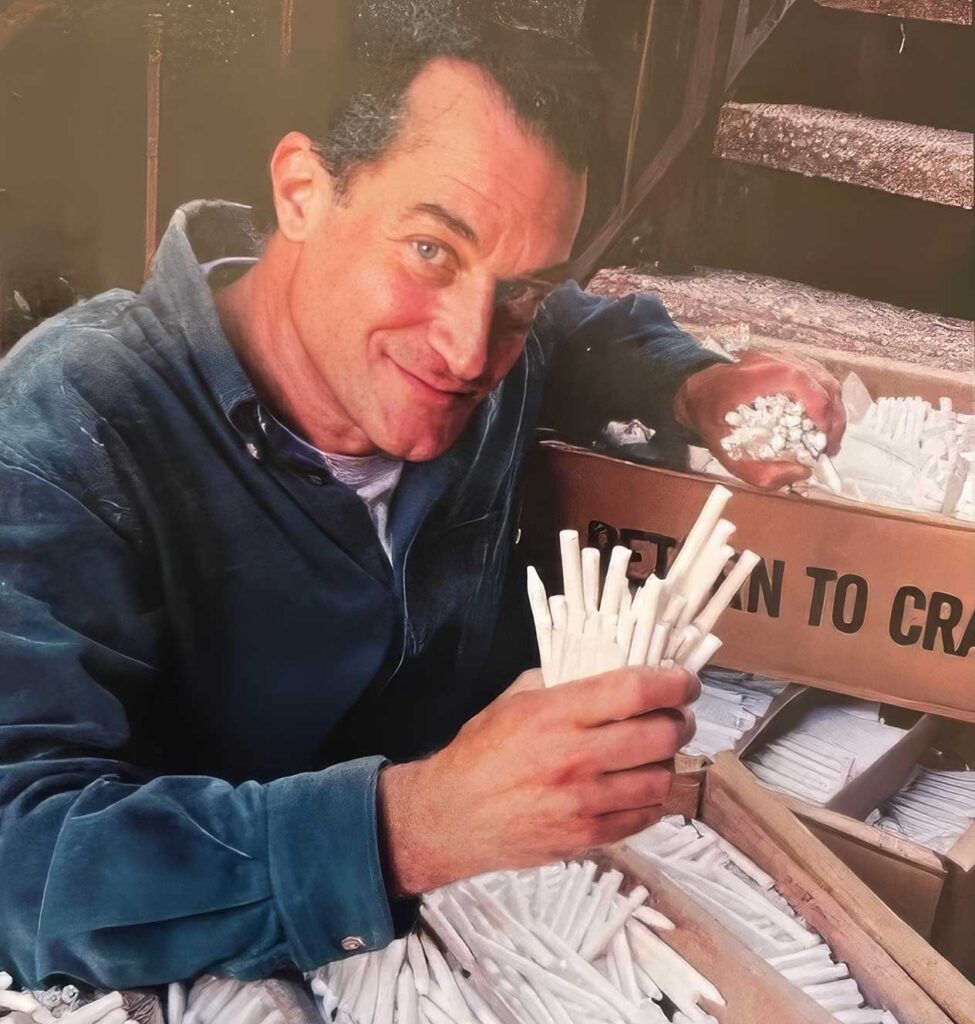
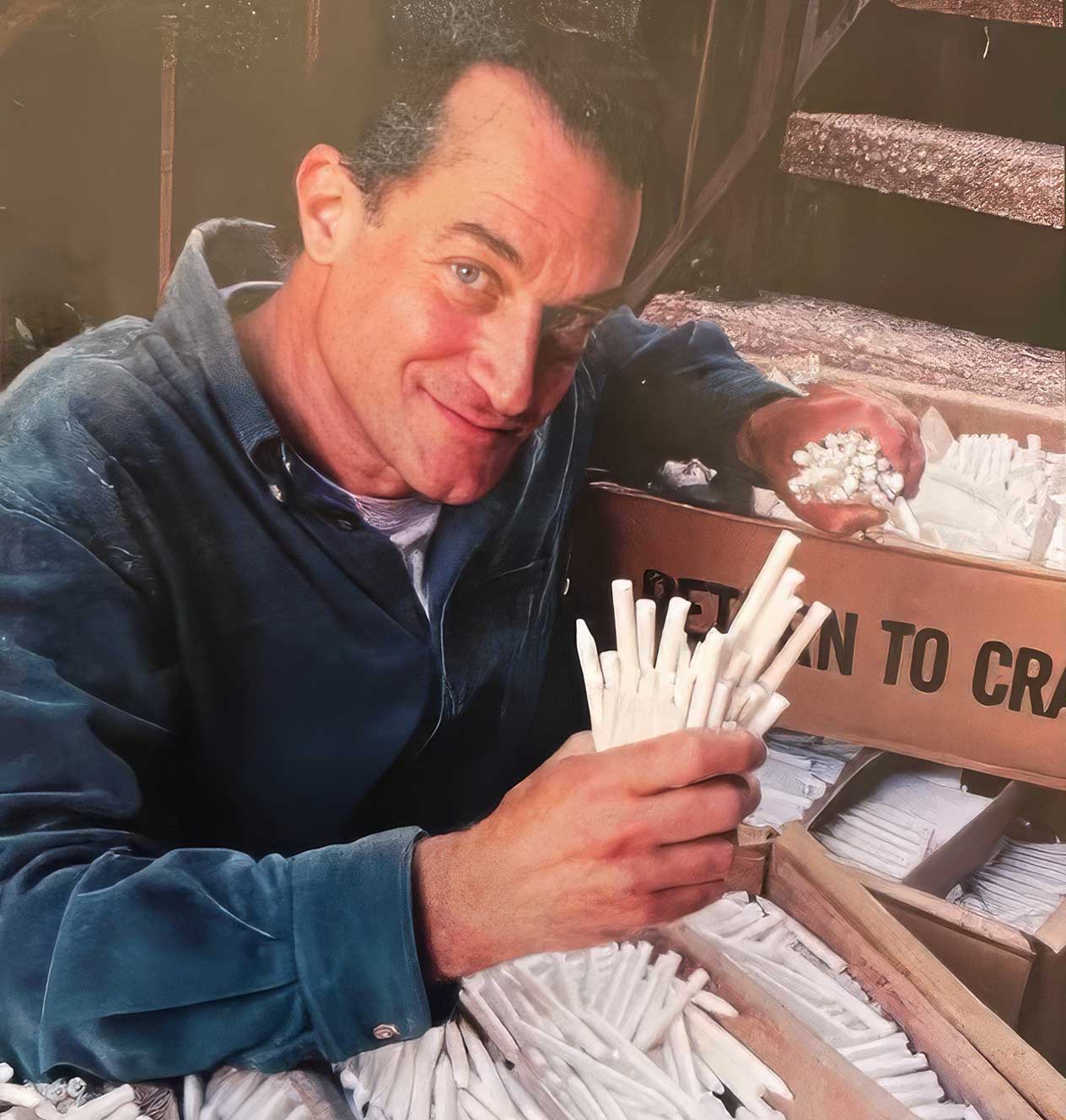
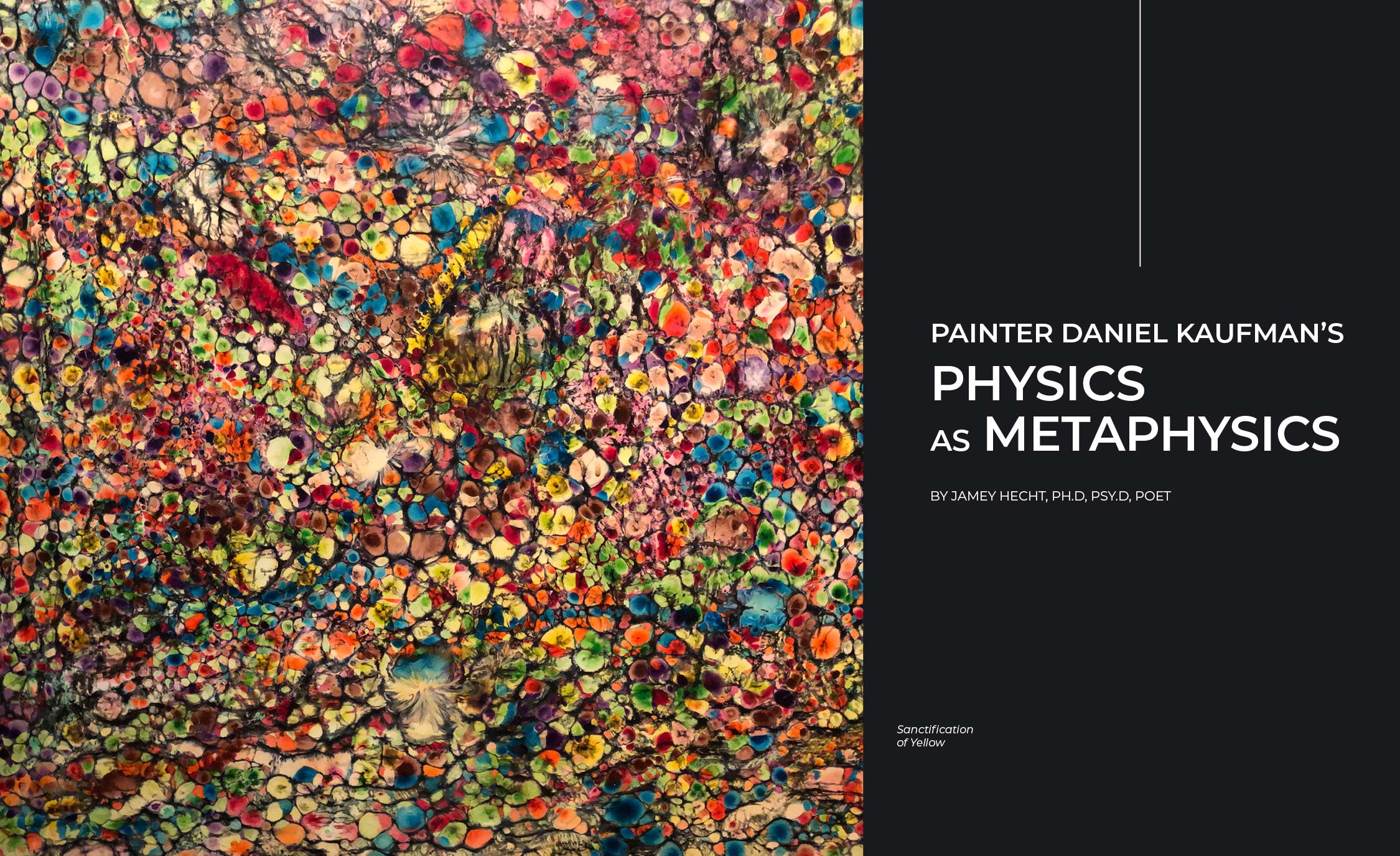
DANIEL KAUFMAN’S PAINTINGS are “something strange.” They seem to slice their way into reality from an unusual angle and at a stroke. His actual artistic process is nothing like that, of course. A similar gulf separates the artist’s own personal manner from the manner of these canvases as one stands gazing into them.
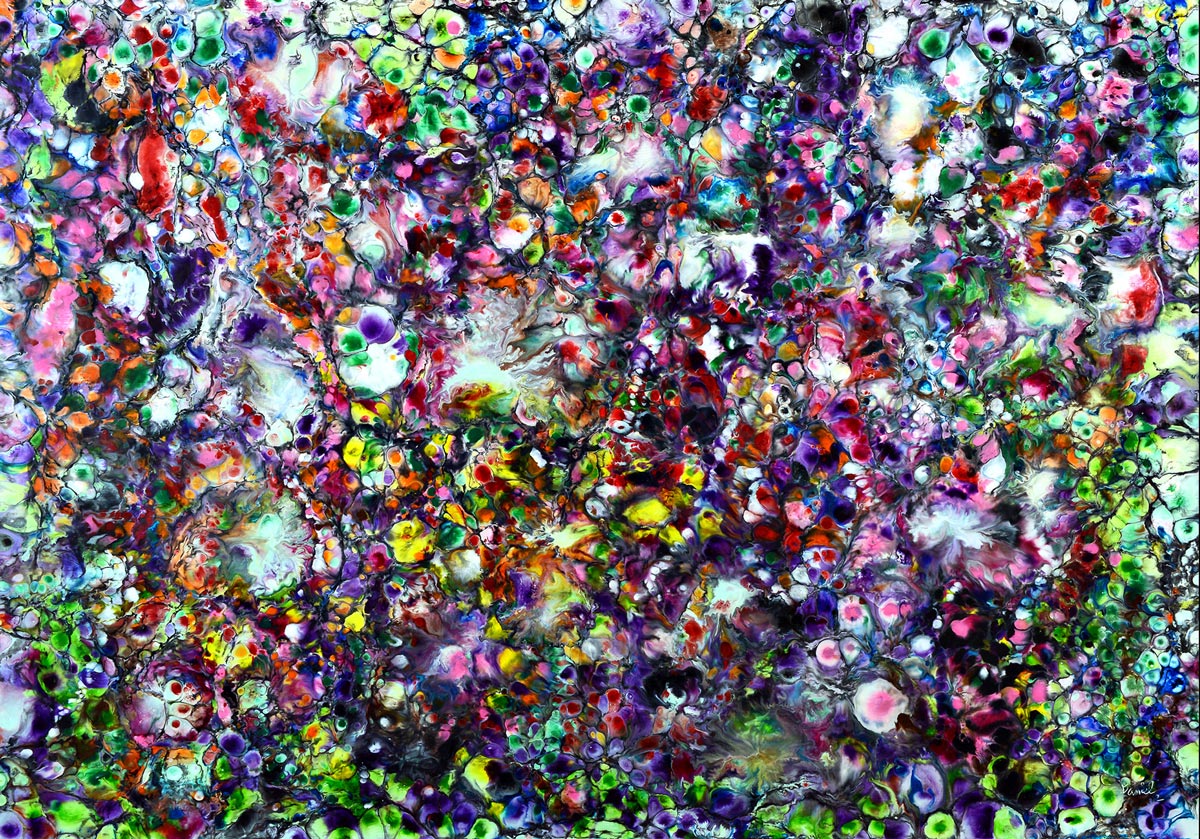
The artist is courteous, thoughtful, and menschey; the pictures are sovereign, primordial, and commanding. That asymmetry is one of many hints that this body of work and its master are the real thing. Daniel Kaufman is incapable of making a bad painting.
He is also getting old enough to have rounded that dark corner in every unaborted artistic career in which it becomes evident to the person holding the brush that extinction really is going to vaporize the visible portion of him, and the artmaking takes on a different existential scent. There is less worry, and more smiling; less hope, and more action; less future and past, and instead an abundant metaphysical now already hitting a few “notes” of the Divine as each sip of reflected light tells the brain’s optical tongue just what it is doing.