


Aliso Viejo, California 92656

What Sitting Bull Can Teach Us About Trial Law
The Lakota warrior and chief known as Tatanka Iyotake, and as Sitting Bull to the white man, did not display heroism and leadership throughout his life. When he was a young member of the Teton Sioux, he was deliberate and... Read More

Steven R. Young’s “Closing Argument”
In this insightful Closing Argument, Steven R. Young delves into the principles that ground his legal practice—highlighting the role of integrity, strategy, and heart in the relentless pursuit of justice.


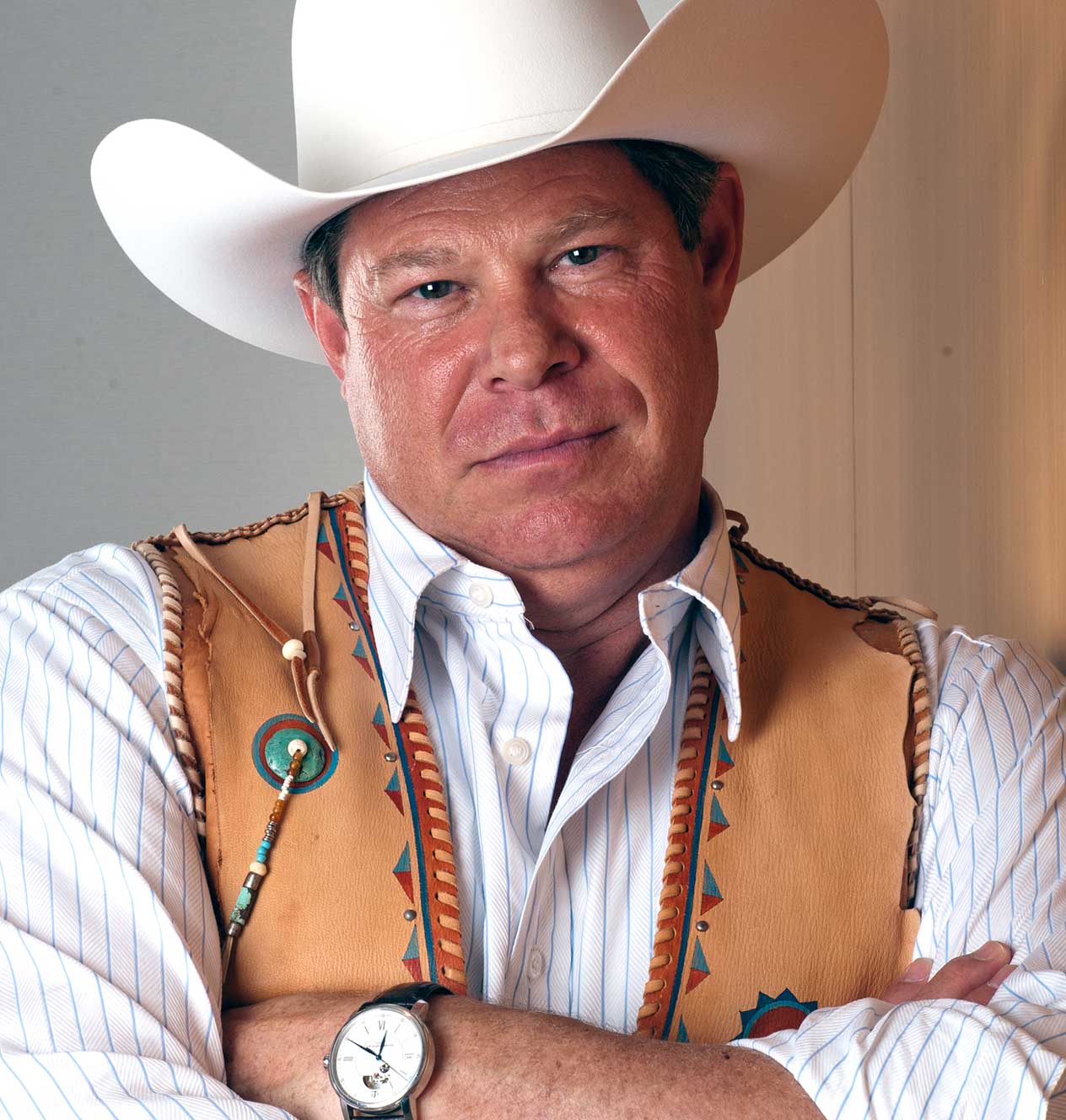
Frequently Asked Questions about Steven Young
Why did Steven Young want to become a trial lawyer?
Young's father, who never finished high school, told him stories as a boy: a Salt Lake City lawyer named Edgar Danny beating a team of U.S. Steel attorneys on behalf of three fired workers, and Young's grandfather, a coal miners' union president in McCurtain, Oklahoma, whose whole town stood on the railroad platform when the Army came. Young started college in pre-med, but after struggling in chemistry his mother, a nurse, told him he had always wanted to be a lawyer. He changed his major that day.
What makes Steven Young different from other personal injury lawyers?
Young handles “last minute” trials but says that is not what sets him apart. Most lawyers, he says, stay so analytical that they never metaphorically sit in the jury box with the jurors. He studies persuasion, from storytelling and metaphor to neurolinguistics, and in jury selection asks jurors to raise a hand if they consider themselves helpful people, a technique drawn from the book Pre-suasion. “People want to know my heart,” he says, and inviting jurors in is the first step to persuading them.
What is a case that mattered to Steven Young?
Young's first jury trial was for Soledad Bruhn, a house cleaner in Santa Ana whose husband put financed solar water heaters on her $29,000 home, then fled to Argentina. After the city ordered the equipment removed, the contractor sued to foreclose a lien, and Young found memos showing the Southern California Gas Company was directing the suit. The jury awarded $15 in medical expenses and $449,000 in punitive damages. Despite later multimillion-dollar judgments, “that one for 450,000 is the one that I always remember,” he says.
What is Steven Young's “Closing Argument”?
Young describes a bad faith trial for a UCLA-educated real estate developer left with painful thoracic outlet syndrome after a car crash, whose own insurer refused to pay. Young insisted the client work on the arrogant, disinterested attitude he projected, saying he must love a client to reach the jurors. The jury awarded $10 million, then $13 million in punitive damages, for a $23 million verdict. When the first verdict was read, the client collapsed in tears. That, Young says, “is the joy and glory of being a trial attorney.”
What has Steven Young written for Trial Lawyer's Journal?
Young wrote “What Sitting Bull Can Teach Us About Trial Law” for Trial Lawyer's Journal, drawing lessons for trial lawyers from the Lakota chief known as Tatanka Iyotake, who, he notes, was deliberate and awkward as a young member of the Teton Sioux rather than a born leader. He has also contributed a “Closing Argument” piece on the principles that ground his practice, including the role of integrity, strategy and heart in the pursuit of justice.
Where did Steven Young go to law school, and where is he admitted to practice?
Young earned his J.D. from Pepperdine University School of Law in 1980 and was admitted to the California State Bar the same year. He has been selected to the Super Lawyers list every year from 2015 through 2025 and belongs to The National Trial Lawyers: Top 100. His trials have spanned class actions, business disputes, bad faith and personal injury, including what he describes as a first-in-the-nation trial against a hedge fund over municipal bond arbitrage derivatives.
Where is Steven Young's firm located?
The Law Office of Steven R. Young is in Aliso Viejo, California, in Orange County, and its website is juryattorney.com. Young has practiced for more than four decades in civil litigation, business litigation, class actions and mass torts, and he has built a niche taking over cases shortly before trial. Other attorneys bring him cases to try, and he says the first thing he does is meet the client to decide whether he believes and can connect with that person.