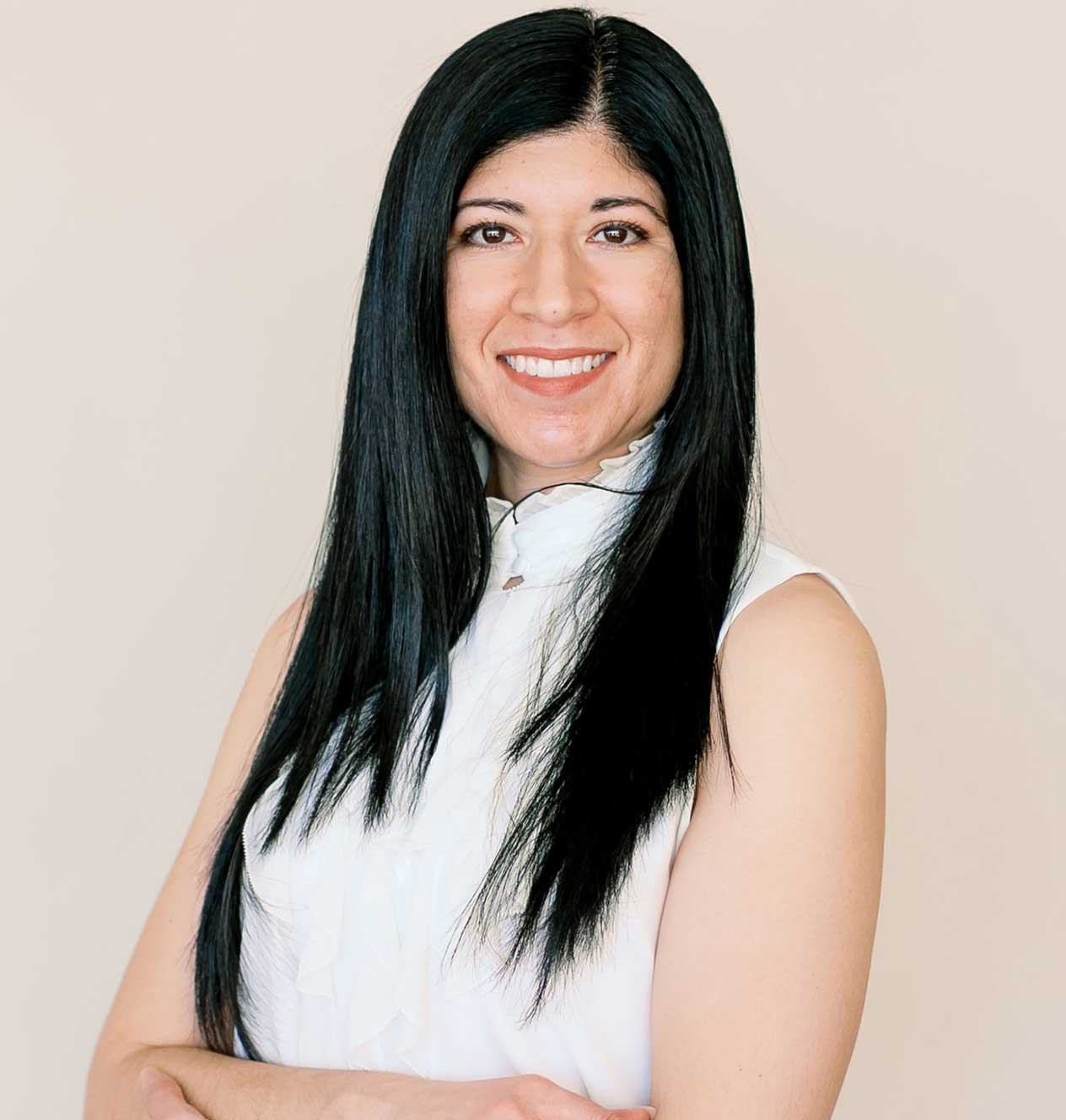
I guess, all my life, I’ve been told that I can’t do certain things. You know, and it all started even when I wanted to go to college. I told my parents that I wanted to go away to college, and I wanted to go to university. And they told me, you know, no, don’t do that. Just stay home and go to a junior college, you know, just stay here. And I didn’t want to do that. And so I went ahead and I applied to universities and I ended up going to UC Santa Barbara. And then after UC Santa Barbara, I really wanted to learn Spanish, and I wasn’t learning it here. And so I decided that I’m going to take a job in Central America as a teacher. And my parents said, no, you’re not going to Central America, you’re not going to go there, you’re going to stay here. But I told them, I’m the one that’s paying for it. I’ve decided that I’m going to go, and I think it’s a good opportunity. And so I went and I ended up staying there for a full year.
When it came to law school, my parents were like, no, just become a teacher. Why do you want to go to law school? And I said, no, I want to go to law school. When I passed the bar, my parents never thought that I would be able to pass the bar. So I ended up passing the bar and, and they were very, very proud of me. But I always knew there were people in my life that didn’t believe that I could do that. But whenever I hear those discouraging comments, I feel encouraged. And I don’t know why. I don’t know where I got that from, but I do feel encouraged whenever I hear someone tell me that I can’t do something. And when they do tell me that I can’t do something, it drives me just to accomplish that. So I think that’s one thing that I would like to tell people is just when people tell you that you can’t do anything, or you can’t do something that you really want to do, just go ahead and do it. Just prove it to yourself that you can do it. And don’t let that stop you. Just do it.