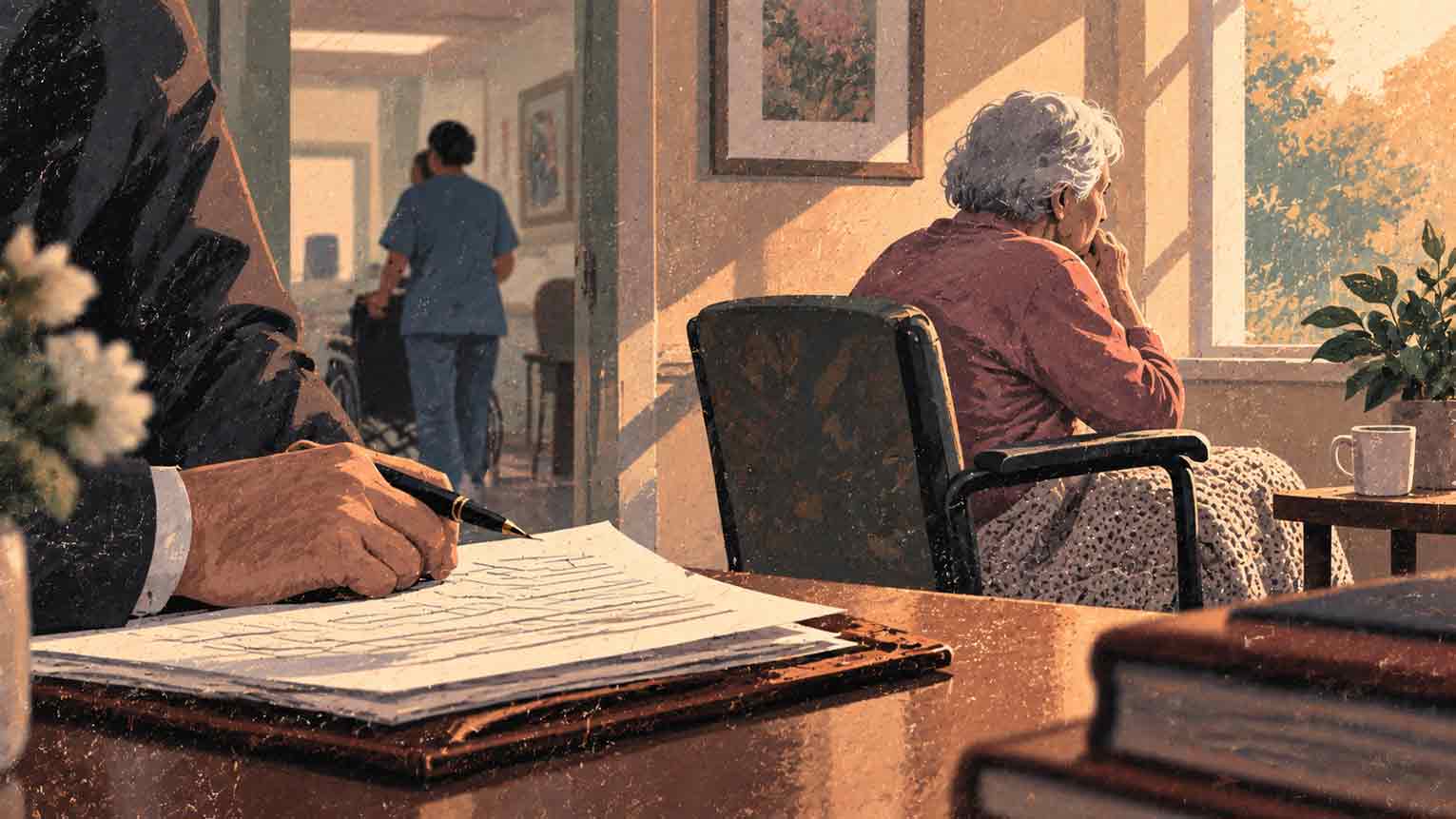
Nursing home abuse occurs when a resident of a long-term care facility suffers harm due to intentional misconduct, neglect or failure to provide proper care. This abuse can be physical, emotional, financial or even sexual in nature. Because nursing home residents are often elderly or medically vulnerable, they rely heavily on staff for safety and support — making abuse especially serious.
Families trust nursing homes to care for their loved ones with dignity and respect. When that trust is violated, legal action may be necessary. In this guide, we’ll explain what qualifies as nursing home abuse, the different types of abuse, warning signs to watch for and how legal claims work.
What Qualifies as Nursing Home Abuse?
Nursing home abuse refers to any action — or failure to act — that causes harm to a resident. Abuse may be intentional, such as physical assault or unintentional, such as neglect resulting from understaffing.
Common forms of nursing home abuse include:
To pursue a legal claim for nursing home abuse, it must generally be shown that:
Nursing homes have a legal obligation to provide adequate supervision, medical care, hygiene assistance, nutrition and protection from harm.
When they fail to meet these standards, they may be held accountable under personal injury or wrongful death laws.
What Are the Different Types of Nursing Home Abuse?
Understanding the types of abuse can help families recognize when something is wrong.
Physical Abuse
Physical abuse involves intentional use of force that causes injury or pain. Examples include:
Hitting or slapping
Pushing or restraining improperly
Rough handling during transfers
Unexplained bruises or fractures
Emotional or Psychological Abuse
This form of abuse affects a resident’s mental well-being.
Examples include:
Verbal threats
Humiliation
Isolation
Intimidation
Sexual Abuse
Any non-consensual sexual contact or behavior involving a resident is considered abuse.
Financial Exploitation
This involves improper use of a resident’s money or assets, such as:
Neglect
Neglect occurs when staff fail to provide necessary care.
Examples include:
Bedsores (pressure ulcers)
Malnutrition or dehydration
Poor hygiene
Untreated medical conditions
Neglect is one of the most common forms of nursing home abuse and can have life-threatening consequences.
What Are the Warning Signs of Nursing Home Abuse?
Abuse is not always immediately visible. Families should watch for physical, emotional and behavioral changes.
Possible warning signs include:
Unexplained injuries
Sudden weight loss
Poor hygiene
Bedsores
Fearfulness around certain staff members
Withdrawal or depression
Missing personal belongings
Changes in financial records
Behavioral changes may be subtle but significant. For example:
A normally talkative resident becomes quiet and withdrawn
A resident seems anxious when certain caregivers are present
Complaints of pain go untreated
If abuse is suspected, it should be reported immediately to facility management and appropriate authorities.
Documentation of signs and symptoms can play a crucial role in building a legal case.
Who Can Be Held Liable for Nursing Home Abuse?
Liability for nursing home abuse may extend beyond the individual staff member responsible.
Potentially liable parties include:
Facilities may be held responsible for:
In some cases, patterns of understaffing or systemic neglect may indicate broader corporate negligence.
Establishing liability often requires reviewing:
Medical records
Staffing schedules
Surveillance footage
Incident reports
Inspection records
Because nursing homes are regulated by state and federal standards, violations of those regulations may support a legal claim.
What Compensation Is Available in a Nursing Home Abuse Claim?
When abuse or neglect causes harm, victims and their families may seek compensation through a civil lawsuit.
Damages may include:
Economic Damages
Medical expenses
Hospitalization costs
Rehabilitation
Relocation expenses
Non-Economic Damages
If abuse results in death, families may pursue a wrongful death claim.
In cases involving intentional or egregious misconduct, punitive damages may also be awarded to punish wrongdoing.
Compensation aims to address both financial losses and the profound emotional toll of abuse.
Conclusion
Nursing home abuse occurs when a resident suffers harm due to intentional misconduct or neglect within a care facility. It can take many forms — including physical abuse, emotional mistreatment, financial exploitation and medical neglect.
Families must remain vigilant for warning signs and take concerns seriously. Nursing homes have a legal duty to provide safe and compassionate care, and failure to do so may result in civil liability.
If you suspect that your loved one has been harmed in a nursing home, consulting an experienced personal injury attorney can help you understand your options and take action to protect their rights and well-being.