














The Trial Lawyer's Journal

TLJ Small Logo
Close
Group 39053677
Share Your Story with Trial Lawyer’s Journal
Trial Lawyer’s Journal is built on the voices of trial lawyers like you. Share your journey, insights, and experiences through articles, interviews, and our podcast, Celebrating Justice.
Stay Updated
Sign up for our newsletter to get the latest from TLJ.


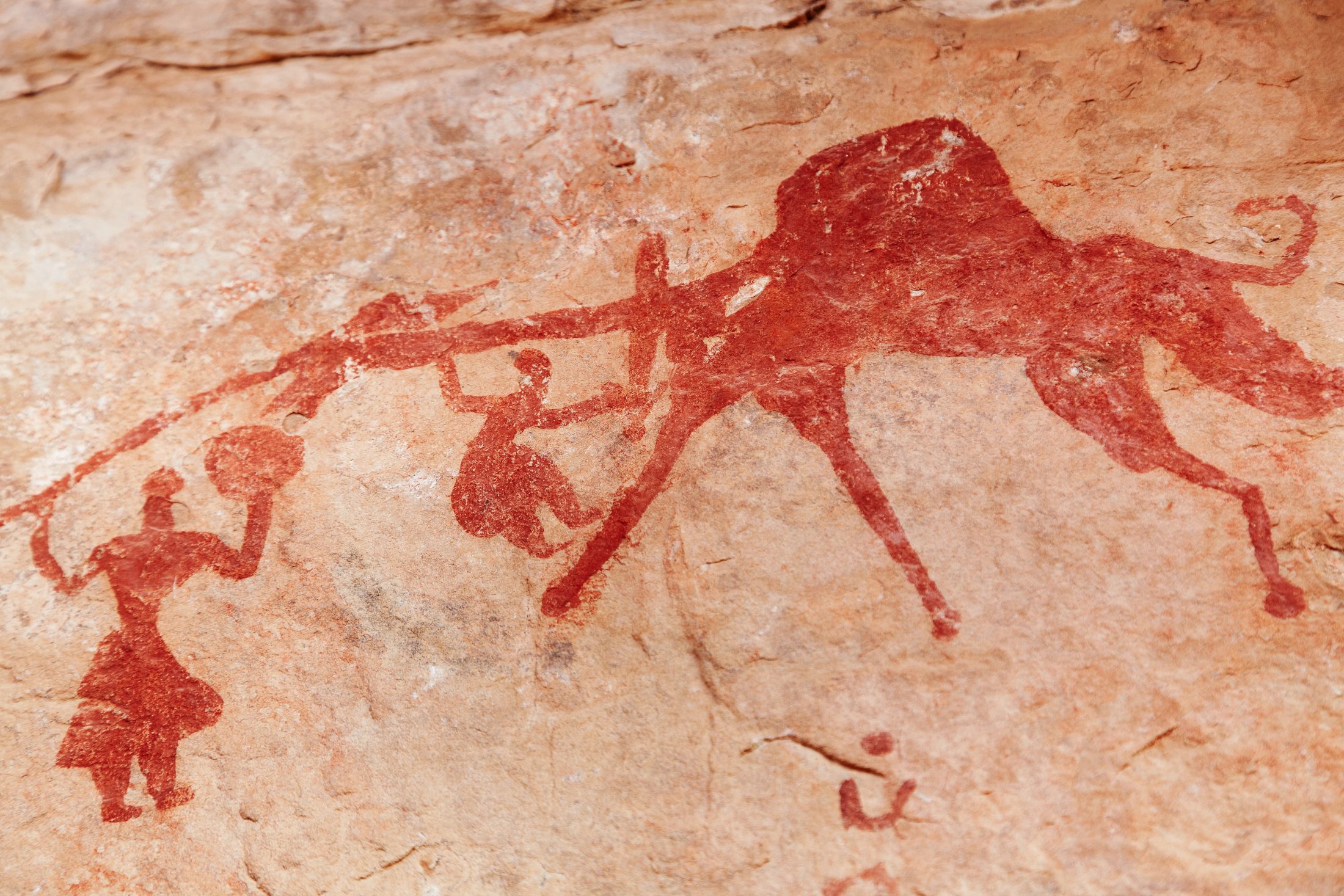
    Illustration for “What Sitting Bull Can Teach Us About Trial Law”

    What Sitting Bull Can Teach Us About Trial Law

    By Steven R. Young
    Scroll ↓or use arrows ↑↓

    The Lakota warrior and chief known as Tatanka Iyotake, and as Sitting Bull to the white man, did not display heroism and leadership throughout his life. When he was a young member of the Teton Sioux, he was deliberate and awkward.

    The tribe nicknamed him,

    “Slow.”

    Despite Slow having killed his first buffalo by age ten, he remained a boy because the Plains society required that he achieve success in battle through a courageous act.

    Slow’s father, not wanting to restrain his son’s spirit, welcomed him, instructed him on bravery and wisdom in battle, and handed him a coup stick with which he could strike an enemy and gain honor.

    Illustration for “What Sitting Bull Can Teach Us About Trial Law”

    The Sioux set an ambush for the Crow. As the Crow party approached, Slow burst from cover and charged the Crow party. The surprised Crows retreated. Slow overtook the slowest Crow warrior, who dismounted and shot at Slow with his bow and arrow. The warrior missed, and Slow hit him with the coup stick, knocking him over. The rest of the Sioux arrived and killed the Crow warrior and routed the other warriors.

    Upon returning to the camp, Slow’s father placed Slow on a strong horse and paraded him through the camp shouting,

    “My son has struck the enemy.His is brave!I name him ‘Sitting Bull.’”

    The name was not a coincidence.

    Sitting Bull’s father had encountered a talking buffalo during a hunt. The buffalo recited the names of the four stages of the buffalo’s life, after which the Plains people modeled their own lives. The sitting bull was the first and youngest stage, and a name of great honor that Slow’s father had taken upon himself after the experience, and that he bestowed on Slow to represent the rite of passage from boy to warrior.

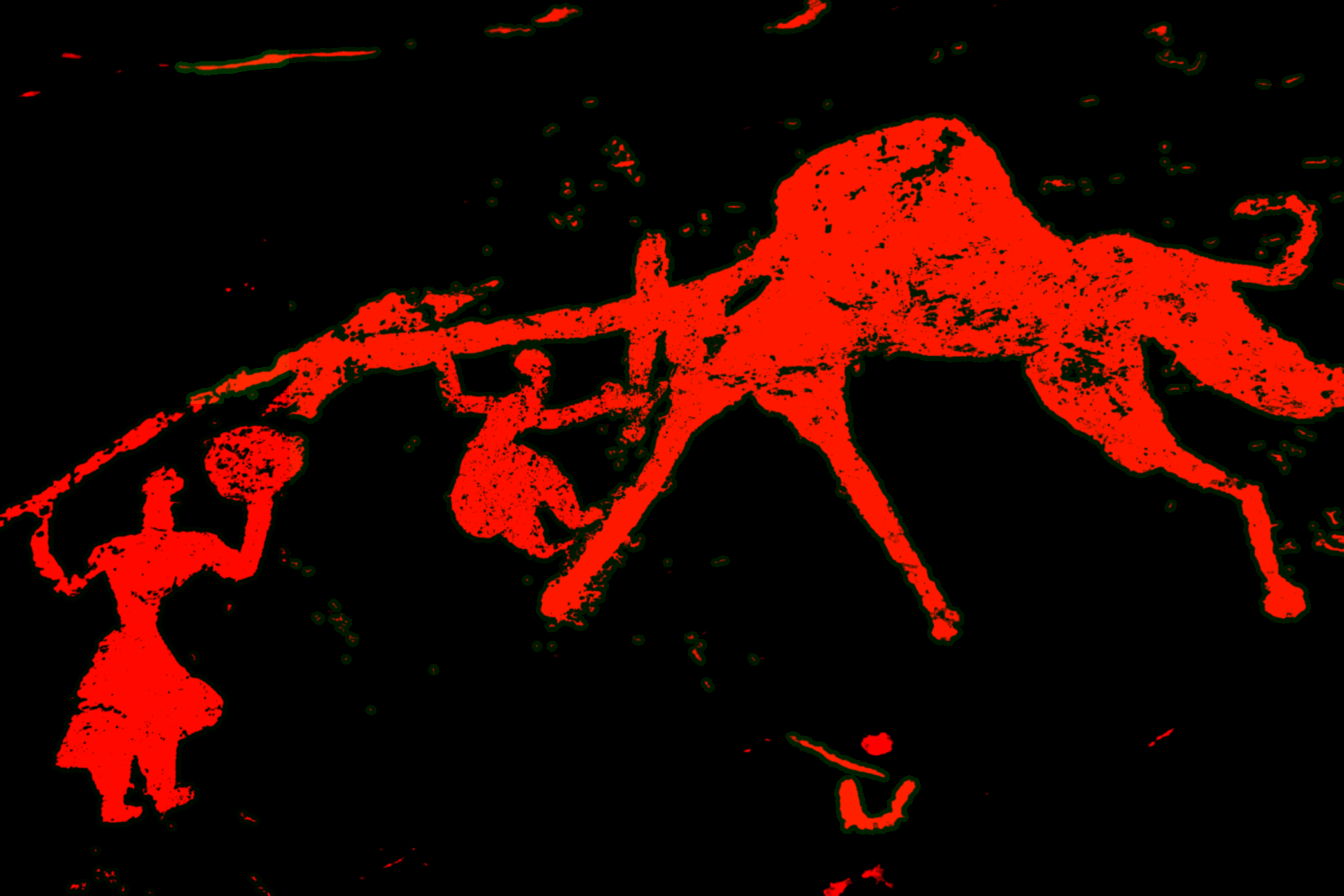
    Illustration for “What Sitting Bull Can Teach Us About Trial Law”

    I want to suggest to you that law school specifically, and society in general, fail to prepare one to step into the courtroom as a warrior. Unlike the Native American culture where major life changes are celebrated through elaborately staged ceremonies marking rites of passage, we graduate law students barely prepared to attend a bar review course and expect them to know how to try a case.

    Choruses bemoan that attorneys have lost the skills of the trial lawyer when an attorney, particularly in large firms, rarely goes to trial more than ten times during their entire career.

    The rites of passage in Native American culture that marked the emergence of the candidate from training and established challenges to prepare him (it was always males) for rebirth as a new person — possessed of a new status, new wisdom, new identity, and a new name, commemorated the birth of a new member of the culture.

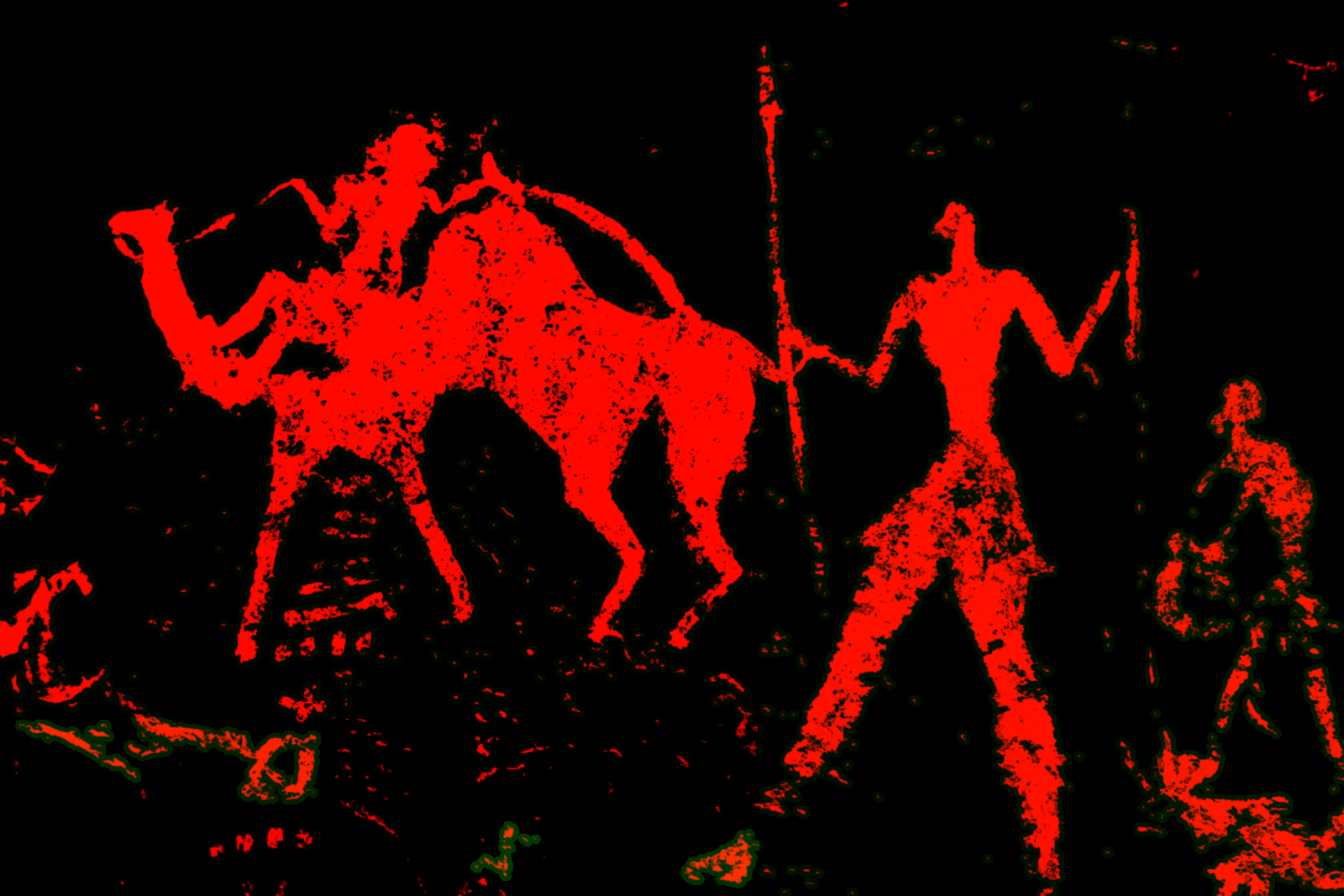
    Illustration for “What Sitting Bull Can Teach Us About Trial Law”

    I suggest we adopt a changed vision of what trial is, and how we train people to step into the warfare we call trial. We attend law school with law school professors telling students how to try cases by reciting rules born of fear and the need to control:

    1. “Don’t ask a question you don’t know the answer to.”
    2. “Ask questions that can only be answered ‘yes’ or ‘no’.”
    3. “Always appear strong and in control.”

    I call,

    “Bullshit.”

    I call

    “Double Bullshit.”

    I have never conducted a trial where I followed the rules laid down by the law professors who have never tried a case.

    You must ask questions you don’t know the answer to. You must allow people to explain, even on cross examination, because your opponent is going to ask the question on redirect that allows the explanation to come out. I prefer to let the witness explain and then poke holes in their story to show how ridiculous it is rather than waiting hours if not days for the chance to do after redirect.

    I want you to know that whatever you do in trial is okay provided you understand why you are doing it and what the purpose is. Learning tricks or methods does not make you a trial lawyer. To make the transition, you must become self-actualized. You must learn to be aware of who you are and how you feel in the midst of blood sport we call trial. It is only when we stand confident in the courtroom, knowing yourself and what you want to accomplish, that you can be “in the moment,” absorbing the developing trial and steering it to the final conclusion you seek.

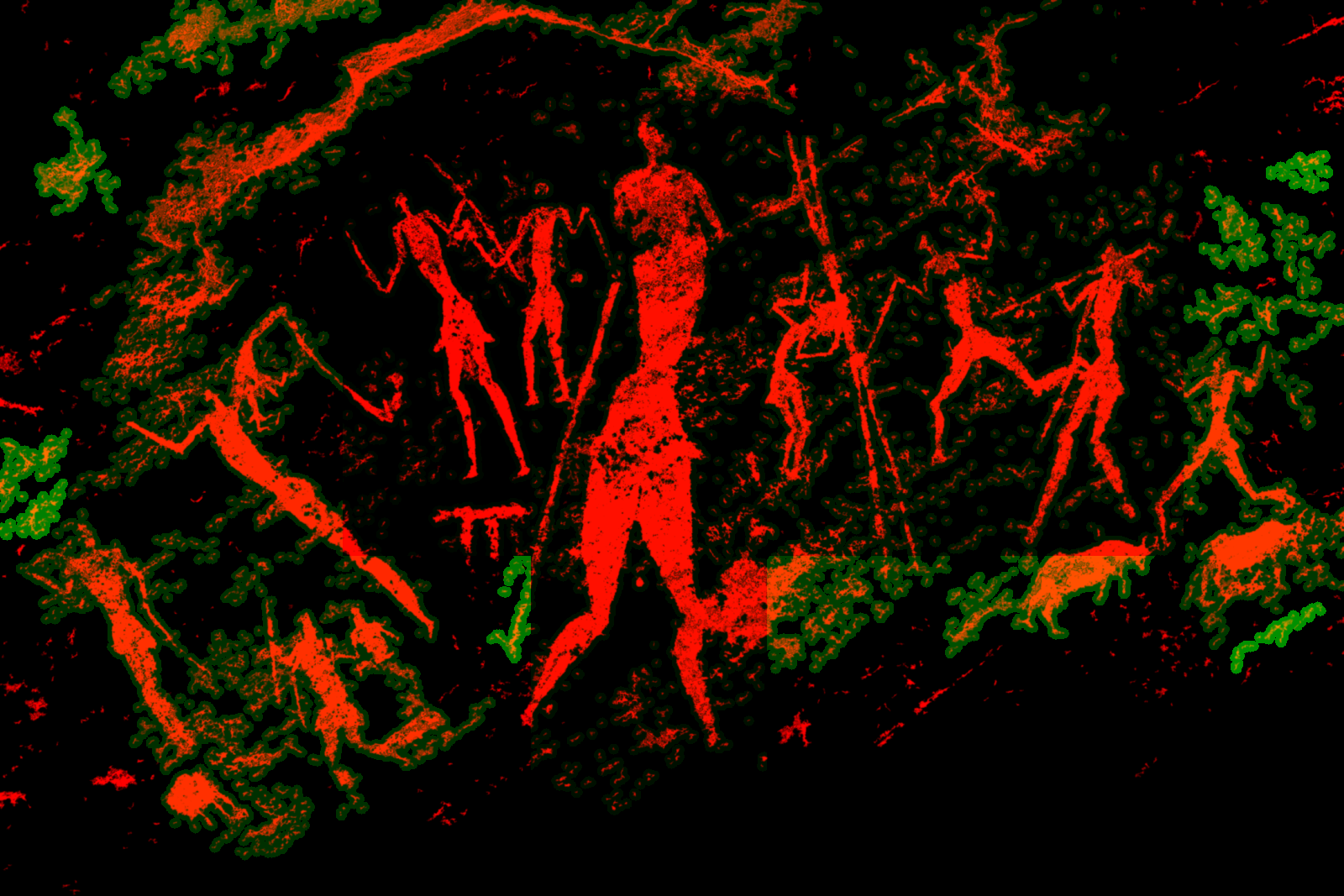
    Illustration for “What Sitting Bull Can Teach Us About Trial Law”

    In my last trial, which ended after nine weeks, the defense argued that the company that was the subject of the legal malpractice case was a “tiny, little company” with little prospect for success so Plaintiffs could not show that the defendant caused the loss because it was going to fail anyway. I wracked my soul for a way to overcome this most effective of arguments that my opponent had no doubt repeatedly used to amass an overwhelming win / loss record.

    As I rose to speak, I focused on the phrase, “tiny, little company,” and began, “We heard Mr. Defense Attorney complain that this was a tiny, little company. Well I have to tell you,

    a tiny little company is just as entitled to an ethical, competent attorney as the biggest company out there — and much more in need of it.”

    Conversations with the jury after their eight figure plaintiffs’ verdict affirmed that the jury felt that brief statement in my final, final argument swayed the fence sitters on the jury. It was the product of being in the moment, and feeling the outrage of an unfair attack on a good business for the sole purpose of avoiding responsibility. When I focused on those feelings, it was easy to form the argument that sent the jury into the jury room with a clear vision of where I wanted them to go.

    Illustration for “What Sitting Bull Can Teach Us About Trial Law”

    Sitting Bull became who and what he was, through the desire to be in the fray and the courage of his commitments. Those wanting to be warriors on the courtroom battlefield will do well to understand that what we are and how we feel about what we are doing is far more important than the rote rules foisted on us in law school. We must have courage to become who we really are and the determination that regardless of the odds against us, we are determined to go to trial, to love our clients, and to win the day for them.

    Unless we have the courageto commit as Sitting Bull didto becoming a warrior,we will never becomea warrior in the courtroom.

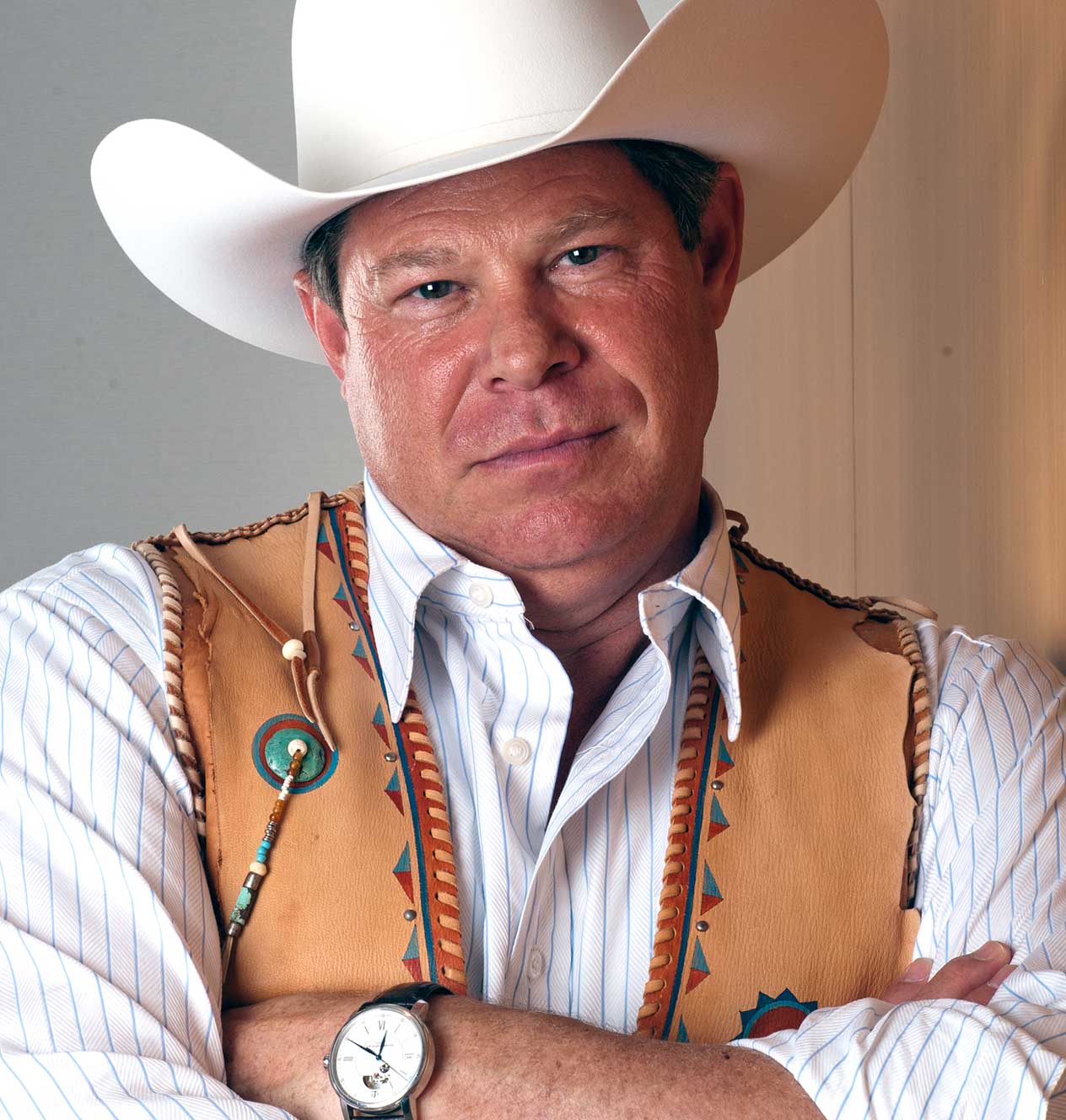
    Steven R. Young

    Steven R. Young, the “Last Minute Trial Attorney,” is based in Aliso Viejo, CA.

    Meet our Contributors

    Steven R. Young

    Trial Lawyer

    Law Offices of Steven R. Young

    Brewster Rawls

    Founder

    The Rawls Law Group

    Michael Abdan

    Partner

    CloudLex

    Chad Sands

    VP, Marketing & Editor

    CloudLex, Trial Lawyer's Journal

    Michael Harris

    Partner

    Jordan Law

    Daniel Kaufman

    Artist

    Daniel Kaufman Artist

    Hunter J. Shkolnik

    Partner

    Napoli Shkolnik

    Stacy Brown Randall

    Author and Referral Coach

    Stacy Brown Randall

    Discover Next

    Insights from PI Experts

    Learn from experts in personal injury about key cases, the business of law, and more insights that shape the future of trial law.

    Author