The Trial Lawyer's Journal

TLJ Small Logo
Close
Group 39053677
Share Your Story with Trial Lawyer’s Journal
Trial Lawyer’s Journal is built on the voices of trial lawyers like you. Share your journey, insights, and experiences through articles, interviews, and our podcast, Celebrating Justice.
Stay Updated
Sign up for our newsletter to get the latest from TLJ.


    Replicants at the Bench: Opinions On AI In Law Firms

    Replicants at the Bench Cover

    Replicants at the Bench: The Latest State Opinions on AI in Law Firms

    Replicants
    at the Bench
    The Latest State Opinions on AI in Law Firms
    By Michael Abdan, Esq.
    Scroll ↓or use arrows ↑↓

    An android — a human robot — confidently addressing a courtroom, its digital eyes gleaming with intelligence. The judge and jurors, captivated. What’s remarkable isn’t the futuristic spectacle, but that this AI can outspeak, outthink, and match seasoned trial lawyers head-to-head.

    If Hollywood has taught us anything, it’s that AI always knows more than it lets on. Remember HAL 9000, the sentient computer, in “2001: A Space Odyssey”? HAL wasn’t just any ordinary assistant; he had intelligence that surpassed human comprehension. And Ridley Scott’s masterpiece: “Blade Runner,” a film where AI goes beyond mere data crunching. Replicants, those bioengineered beings from Tyrell Corp., were designed to be “more human than human.” And who can forget James Cameron’s “Aliens,” where the corporate sycophant, Burke, was supplanted by an android named Bishop?

    Bishop was the ideal blend of calm logic and ethical conduct, everything Burke was not. In today’s legal arena, AI aims to be our Bishops. It stands as a paragon of responsible logic, dispassionately analyzing reams of legal documents and past cases, spotting patterns that even the keenest human eyes could miss. However, just as Ripley had her initial concerns with Bishop, trial lawyers should be wary of what AI can (and can’t) do.

    The regulatory landscape is evolving at warp speed to keep up with the rapid advancements in AI technology. Ethical considerations, data privacy issues, and the fair use of AI-driven insights are all legitimate talking points.

    This brings us to the topic of discussion: the regulatory updates seemingly coming out every week. How do we harness the hyper-intelligent power of AI without it spiraling into a legislative HAL 9000 scenario? We dive into the latest regulations, state opinions, the ethical conundrums, and the pragmatic solutions that pave the way for AI to become an indispensable ally in personal injury law.

    How do we harness the hyper-intelligent power of AI without it spiraling into a legislative HAL 9000 scenario?

    While the legal sector has begun adopting various AI tools to assist professionals with a host of legal tasks, law firms have run into several ethical and legal challenges that require careful consideration. With attorneys using AI to draw up demand packages, write briefs, qualify leads, or perform other tasks, different state courts and bar associations have begun to weigh in on how the technology can and should be used by attorneys. And there are already cases illustrating how the courts will sanction lawyers when ethical lines are crossed. While certain AI tools can benefit PI law firms, it’s critical that lawyers understand where the courts and bar associations stand on these issues.

    More Than Meets the AI: Types of Modern Artificial Intelligence

    AI is an advanced technology that enables machines and computers to simulate human intelligence. On its own or when combined with other solutions, AI can perform tasks that would otherwise require human intervention. With the aid of vast amounts of data, these systems learn from past experiences and perform human-like tasks using complex methods and algorithms, enhancing the effectiveness, accuracy, and speed of human efforts. And some argue this technology can also provide greater access to justice for clients. There are four types of AI based on functions, only two of which are currently in use:

    01In use

    Reactive Machine AI

    These AI systems only work with currently available data and are designed to perform a specific task. Examples are Netflix’s recommendation engine, which looks at a viewer’s history, and IBM’s Deep Blue chess-playing computer, which analyzes pieces on a board to predict probable outcomes.

    Reactive machine AI doesn’t form memories or use past experiences to make its current decisions. These systems are highly task-specific, so they are ideal for performing repetitive tasks. For law firms, this might include things like seamless document management and scheduling.

    02In use

    Limited Memory AI

    Limited memory AI can recall past outcomes and events and monitor specific situations or objects over time. It can use present and past-moment data to decide on an outcome, but it can’t retain data long-term. Examples of limited memory AI include generative AI tools like ChatGPT and DeepAI and virtual assistants like Alexa and Siri.

    Limited memory AI relies on natural language processors and machine learning. Machine learning is the most popular and disruptive for the legal industry. Because it uses inductive reasoning, similar to a spellcheck, there’s no way to catch every error that this type of AI can produce. While it can be useful, it must be used with caution.

    03Largely undeveloped

    Theory of Mind AI

    Theory of mind AI is a type of AI that is still largely undeveloped. The idea is that this type of AI will understand the emotions and thoughts of other entities, so it can better interact with those around it. Once brought to fruition, theory of mind AI will be able to analyze images, voices, and other types of data to respond appropriately to humans on an emotional level. This type of AI may eventually be useful in screening and qualifying leads.

    04Strictly theoretical

    Self-Aware AI

    This is another type of AI currently under development, so it remains strictly theoretical. This AI will not only be able to understand human emotions but also its own internal traits and conditions. It will have its own beliefs, needs, and emotions. How this type of AI can or should be applied in the legal sector remains completely unknown.

    It will have its own beliefs, needs, and emotions.

    Responsible AI for Personal Injury Firms

    In a short period of time, we have seen an explosion of service providers and software platforms offering their versions of an AI solution. Your inbox is perhaps flooded with claims of increased efficiency, productivity, turnaround times, and cost savings. Today, when everything seems to be a “dot AI” — how does one filter substance from noise?

    A personal injury attorney’s mission is to secure justice for their client, which doesn’t always mean the fastest settlement. Every business strives to be efficient and productive, but true success in personal injury law demands more than the bits and bytes of any algorithms. It requires empathy, concern, and genuine care — qualities that chatbots, for now, cannot mimic. In times of crisis, people still value human touch and personalized attention.

    That’s why we at CloudLex are taking a slightly different approach, one that commits to building “Responsible AI for Personal Injury Firms.” What does this responsibility mean? It is based on four foundational pillars:

    1. Enrich & Enhance our day-to-day work by making it more engaging and enjoyable.
    2. Unlock Efficiencies through automation, but always complemented by human intuition and judgment.
    3. Create a Win-Win Solution rather than a Zero-Sum Game, designed to empower — not eliminate — the workforce.
    4. Promote a Culture fueled by human empathy, passion, drive, grit, and good old-fashioned creativity.

    AI will be a journey for all of us, and it represents a paradigm shift for knowledge workers. The good news is that we are in the driver’s seat, shaping this future. This isn’t a time to hastily jump on the AI bandwagon; it is a time to move forward responsibly, embrace new technology considering the pros and cons, and actively shape the future we want.

    Ethical Considerations, Challenges and Risks

    01

    Maintaining Competence

    Law firms have a responsibility to submit accurate information to the courts on behalf of their clients. If they rely entirely on AI for data, they can and should be held accountable when that data is inaccurate.

    AI hallucinations are also an ongoing problem, wherein an AI tool perceives objects or patterns that are nonexistent to human observers and creates outputs that are either nonsensical or entirely inaccurate.

    In other words, the AI application understands that you want case law to back up your argument, so it makes one up to satisfy your query. This is obviously a serious ethical issue in any area of the law and one that has been addressed repeatedly by the courts recently.

    02

    Confidentiality of Information

    Attorneys have an ethical duty not to disclose information related to the representation of their clients. Similar to any business, law firms must protect the private data of their clients. This can create conflicts when using AI.

    AI systems generally rely on vast amounts of data, including confidential and sensitive information, which can be stored and used to make decisions. When using AI technology, lawyers must ensure adherence to strict privacy regulations.

    For example, lawyers using ChatGPT must understand the system’s privacy policy and make sure any data the application uses is strictly limited to the stated purpose.

    03

    Impartiality of Opinions

    If the data AI draws from is biased, the results it produces will also be biased. This is critical for any industry, but it can be catastrophic for the legal profession because it undermines the principles of equal treatment under the law and justice.

    The problem is that predictive analytics have been found to be biased and even discriminatory. For example, if you are using AI to generate a cost of living score for settlement purposes, these models pull from historical data. If the algorithm pulls data from a district that isn’t representative of the client, it can produce an inaccurate and biased result.

    Before using AI, it’s essential that lawyers understand that bias may exist and how it can impact case outcomes. Instead of blindly relying on analyses produced by AI, lawyers must critically examine the results to identify any potential biases.

    Rulings and Guidelines Related to AI in the Legal Sector

    Because AI is a somewhat new technology, it has been tested in the courts and addressed by many state bar and local bar associations.

    Court Rulings Related to AI

    Many real-life cases already exist related to AI’s use and the law. Here is a sampling of rulings by the courts, many of which involve sanctions and license suspensions for improper use of the technology.

    1. 06/22/2023

      Mata v. Avianca, Inc.

      In Mata v. Avianca, Inc., the plaintiff’s attorneys, Peter LoDuca and Steven Schwartz, prepared an “Affirmation of Opposition” using ChatGPT, which cited many nonexistent cases. After the opposition counsel and the court could not locate the cases, the court found that the lawyers acted with “subjective bad faith,” ordered the attorneys and their law firm to pay a $5,000 penalty, and required that the lawyers apologize to the judges who were incorrectly identified in the fake cases.

    2. 11/22/2023

      People v. Crabill

      Colorado attorney Zachariah Crabill was suspended from practicing law for 366 days in addition to a two-year probation period by the Colorado Supreme Court Office of the Presiding Disciplinary Judge. The suspension was due to Crabill’s use of fictitious or incorrect cases generated by ChatGPT. Even though Crabill was aware of the issues, he didn’t withdraw his motion but instead blamed any mistakes on a legal intern.

    3. 02/12/2024

      Smith v. Farwell, et al.

      This Massachusetts Superior Court civil case addresses the submittal of several legal memoranda by the plaintiff’s counsel who cited and relied on wholly fictitious case law, thanks to the use of AI. While the plaintiff’s counsel denied any intentions to mislead the court, the attorney was required to pay a monetary sanction in the amount of $2,000.

    4. 02/22/2024

      J.G. v. New York City Dept. of Education

      In a federal case in New York under the Individuals with Disabilities Act, the plaintiff sought an award for attorney’s fees as permitted by the statute. While the court awarded a portion of the fees requested, it severely chastised the attorneys for using ChatGPT to support their claims. Specifically, the court found that relying on ChatGPT-4 was “utterly and unusually unpersuasive” for determining reasonable legal billing rates.

    Bar Association Guidelines

    In many jurisdictions, state and local bar associations have issued guidance or made recommendations concerning the use of AI. The common theme among these is that lawyers must understand the risks of using this technology and ensure its use complies with their ethical obligations under the Rules of Professional Conduct. Some examples include:

    11/16/2023

    California

    The State Bar of California Standing Committee on Professional Responsibility and Conduct issued “Practical Guidance for the Use of Generative Artificial Intelligence in the Practice of Law.” The association’s guidance advises that lawyers should consider all the risks associated with using generative AI in providing legal services.

    01/19/2024

    Florida

    The Florida State Bar Ethics Opinion 24-1 advises that lawyers may use generative AI in their legal practices provided that they do three things: protect client confidentiality, provide competent and accurate services, and avoid improper billing practices. On August 29, the Florida Supreme Court adopted the amendments proposed by the Bar. These changes went into effect on October 28, 2024.

    03/15/2024

    Kentucky

    The Kentucky Bar Association issued Ethics Opinion KBA-E457, advising that lawyers have a duty to keep abreast of the use of AI and the law. While lawyers may not need to disclose the “rote” use of AI for basic tasks and research, they may need to reduce their fees if AI saves time spent on client matters. Lawyers must continue to comply with all court rules and safeguard client information when using AI.

    10/27/2023

    Michigan

    The State Bar of Michigan addresses judicial competence and artificial intelligence in its Ethics Opinion JI-155. The association concludes that lawyers must maintain competence with emerging technologies, especially AI, and the ways these technologies can impact their decisions and conduct. The opinion concludes that legal professionals have an ethical obligation to understand technology and take appropriate steps to ensure that any tools used are within the confines of court rules and the law.

    04/06/2024

    New York

    The New York State Bar Task Force on AI issued a 92-page Report and Recommendations in 2024, which affirms that lawyers must continue to comply with the Rules of Professional Conduct. The bar association emphasizes independent judgment. For example, Rule 1.1 of its guidance indicates that attorneys “have a duty to understand the benefits, risks, and ethical implications associated” with using AI tools.

    01/24/2024

    New Jersey

    The New Jersey Supreme Court Committee on Artificial Intelligence issued “Preliminary Guidelines on New Jersey Lawyers’ Use of Artificial Intelligence.” The guidelines emphasize that AI doesn’t change a lawyer’s fundamental duty or ethical responsibility to his clients. As with any technology, lack of care could lead to ethical violations and unintentional misconduct, including discrimination.

    05/22/2024

    Pennsylvania

    The Pennsylvania Bar Association and Philadelphia Bar Association recently issued a joint legal ethics opinion on the use of generative AI in law practice. The 16-page opinion includes 12 points of responsibility for lawyers using AI in their legal practices. Among these points are items like ensuring lawyers are competent in the technology they use, verifying the accuracy of all materials, eliminating biases, maintaining confidentiality, and ensuring transparency when using AI tools.

    11/19/2024

    Texas

    The Texas State Bar issued updated guidelines emphasizing the importance of lawyer competence in AI technology, maintaining client confidentiality, ensuring transparency, and addressing privacy concerns. It also highlights the need for verifying AI outputs for accuracy, mitigating biases, and incorporating AI and cybersecurity training into CLE programs.
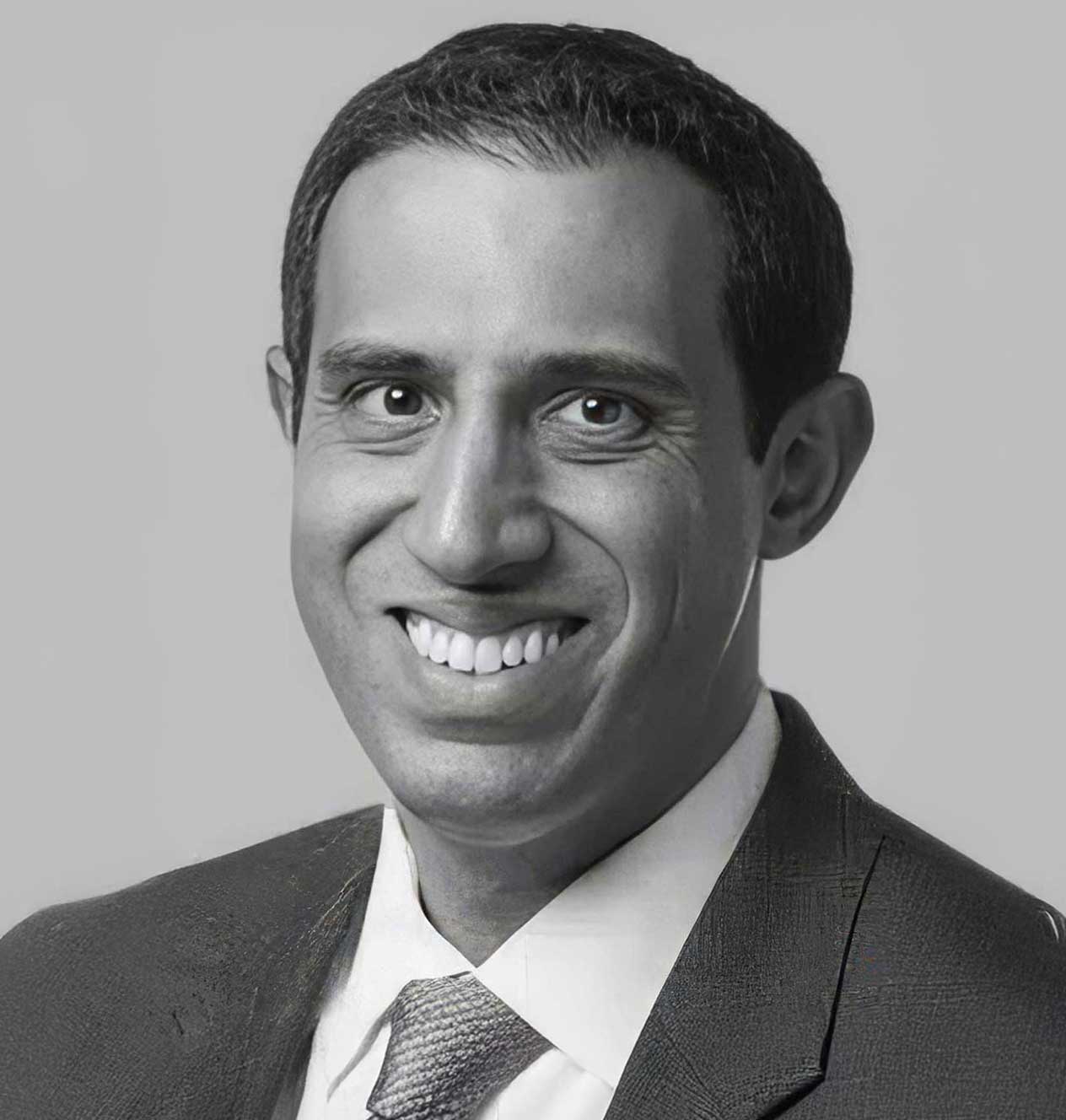
    Michael Abdan

    Michael Abdan, Esq., is a partner at CloudLex. A seasoned litigator licensed in New York and Florida, he has spent the past 10 years helping hundreds of plaintiff personal injury law firms modernize their practices.

    Discover Next

    Insights from PI Experts

    Learn from experts in personal injury about key cases, the business of law, and more insights that shape the future of trial law.


    The True Cost of Healthcare Savings: Cost-Cutting by Insurance Companies Disadvantages Patients

    The True Cost of Healthcare Savings

    The True Cost of Healthcare Savings: Cost-Cutting by Insurance Companies Disadvantages Patients

    The True Cost of
    Healthcare Savings
    Cost-Cutting by Insurance Companies Disadvantages Patients
    Scroll ↓or use arrows ↑↓

    As the cost of providing medical care has increased dramatically in recent years, some healthcare providers resorted to overcharging insurers for out-of-network care needed for emergencies or specialized treatment. To purportedly control such costs, insurers turned to data analytics firm MultiPlan to reduce the amounts they were eventually required to pay. Rather than fixing the problem, however, this shifted the financial burden of these providers’ high rates to patients.

    On the surface, MultiPlan claimed to use data analytics to help insurers optimize the design of their benefit plans. Notwithstanding, in practice, its data models were designed primarily to minimize the amount insurance companies have to pay for out-of-network care. This greatly benefited the insurance companies, but it left all providers with substantial portions of their bills unpaid.

    MultiPlan’s revenue is directly tied to its ability to reduce insurers’ costs, leaving little doubt as to why insurers contract with it or what it trains its data models to accomplish. Insurers receive a bill from a provider, MultiPlan uses its data models to reduce the insurer’s obligation, and the insurer pays MultiPlan a percentage of the savings. For MultiPlan to increase its revenue, it has to decrease the amount the insurer pays — resulting in an even larger bill for the patient. And to make matters worse, MultiPlan, as a central hub, allows insurers to override its algorithms, essentially setting any price they want. Insurers are required by MultiPlan to contribute their claims pricing data and reimbursement strategies to its tools, effectively eliminating competition between themselves for out-of-network provider services. Insurers have effectively been allowed to collectively set their out-of-network reimbursement rates through MultiPlan.

    The harm caused by this can be enormous, and it lands squarely on patients’ shoulders. Stuck with excessive medical bills, some patients opt not to continue receiving needed treatments, impacting their recovery.

    Others see their quality of life evaporate due to medical debts they can never afford to pay off. When patients try to fight the charges, they’re met with attorneys working for healthcare providers and insurance companies, leaving individual patients with little hope of success.

    Healthcare providers have also felt the pinch, since insurance companies are a more reliable source of revenue than individual patients. MultiPlan’s practices place significant financial strain on such providers, particularly concerning out-of-network services where payment rates are often so low that they do not cover operating costs. Many smaller practices have been forced to shut down, cease certain services, or merge with large hospital conglomerates, reducing patients’ healthcare options. MultiPlan’s dominant market position leaves providers with little choice but to accept these reduced payments. Even when MultiPlan offers to “negotiate,” the process is one-sided, forcing providers to accept extreme underpayments. Nearly all commercial healthcare payers have adopted its repricing methodology, leaving healthcare providers with little choice but to accept the “repriced” payment amounts dictated by MultiPlan between 94.5% and 99.4% of the time.

    Repriced payments accepted
    94.5%
    to
    99.4%
    of the time, providers have little choice but to accept the “repriced” payment amounts dictated by MultiPlan.

    As a result, MultiPlan’s business model is being challenged in court by providers who claim the model goes too far in cutting insurers’ costs, as well as addiction treatment providers who say the algorithms for out-of-network reimbursements amount to price-fixing and threaten to undermine substance use disorder (SUD) treatment. Providers have also sued a group of healthcare insurance companies that used MultiPlan’s services in a conspiracy to fix prices and eliminate market competition. The access to sensitive pricing data allowed these insurance companies to coordinate and suppress industry-wide reimbursement rates, creating an artificial market depression.

    The potential for price-fixing when MultiPlan’s algorithms are used across multiple insurers has also caught the attention of Congress, prompting investigations and potential regulatory action.

    All of this points to potential changes in the future, but for the time being that’s cold comfort for patients trying to recover while reeling from excessive bills. As long as the issue remains unresolved, providers will continue to overcharge, insurers will continue to minimize their payments, and patients will continue to face financial struggle while also coping with serious medical challenges.

    Patient Burden

    MultiPlan’s cost-reduction model pushes large bills to patients.

    Underpaid Providers

    Providers receive reduced payments, causing financial strain and service cutbacks.

    Price Manipulation

    MultiPlan enables insurers to collectively set low reimbursement rates, leading to price-fixing accusations.

    Congressional Scrutiny

    Congressional investigations are underway due to concerns over suppressed reimbursement rates.

    Burden on Patients, Scrutiny from Congress

    MultiPlan’s business model, designed to reduce insurers’ payments for out-of-network care, has come under fire for shifting financial strain onto patients and healthcare providers, while also drawing congressional attention for potential price-fixing practices.

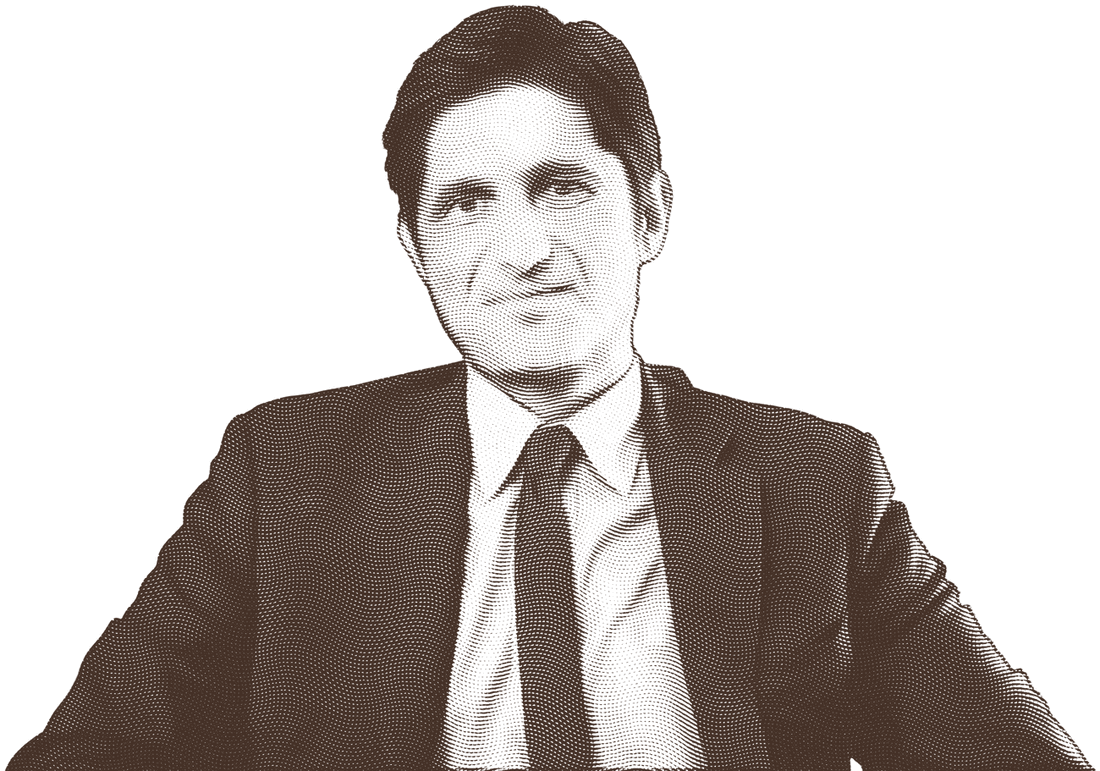
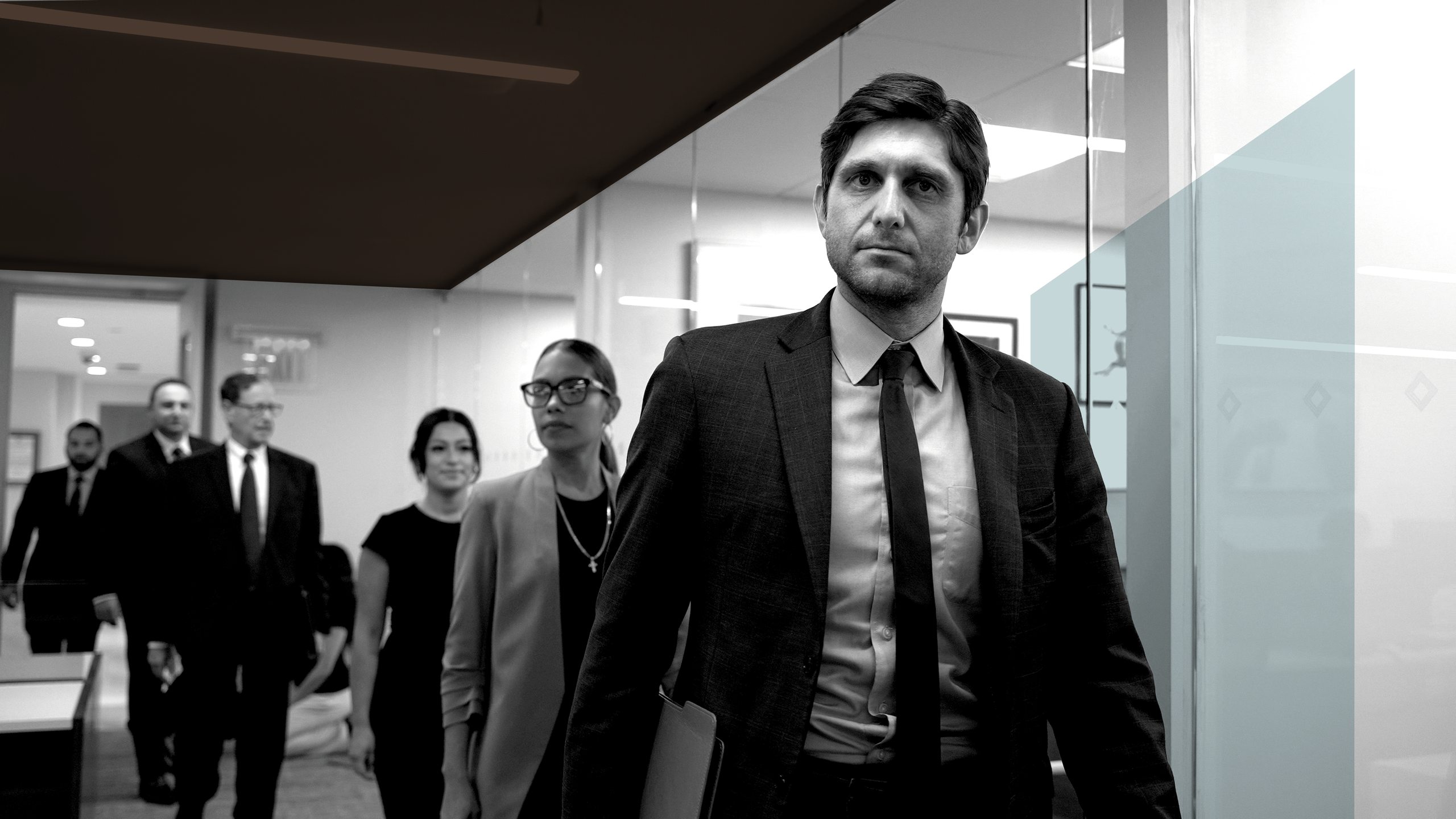
    Hunter J. Shkolnik
    Nestor D. Galarza

    Hunter J. Shkolnik is a partner and Nestor D. Galarza is a senior associate at Napoli Shkolnik.

    What Sitting Bull Can Teach Us About Trial Law

    What Sitting Bull Can Teach Us About Trial Law

    What Sitting Bull Can Teach Us About Trial Law

    By Steven R. Young
    Scroll ↓or use arrows ↑↓

    The Lakota warrior and chief known as Tatanka Iyotake, and as Sitting Bull to the white man, did not display heroism and leadership throughout his life. When he was a young member of the Teton Sioux, he was deliberate and awkward.

    The tribe nicknamed him,

    “Slow.”

    Despite Slow having killed his first buffalo by age ten, he remained a boy because the Plains society required that he achieve success in battle through a courageous act.

    Slow’s father, not wanting to restrain his son’s spirit, welcomed him, instructed him on bravery and wisdom in battle, and handed him a coup stick with which he could strike an enemy and gain honor.

    The Sioux set an ambush for the Crow. As the Crow party approached, Slow burst from cover and charged the Crow party. The surprised Crows retreated. Slow overtook the slowest Crow warrior, who dismounted and shot at Slow with his bow and arrow. The warrior missed, and Slow hit him with the coup stick, knocking him over. The rest of the Sioux arrived and killed the Crow warrior and routed the other warriors.

    Upon returning to the camp, Slow’s father placed Slow on a strong horse and paraded him through the camp shouting,

    “My son has struck the enemy.His is brave!I name him ‘Sitting Bull.’”

    The name was not a coincidence.

    Sitting Bull’s father had encountered a talking buffalo during a hunt. The buffalo recited the names of the four stages of the buffalo’s life, after which the Plains people modeled their own lives. The sitting bull was the first and youngest stage, and a name of great honor that Slow’s father had taken upon himself after the experience, and that he bestowed on Slow to represent the rite of passage from boy to warrior.

    I want to suggest to you that law school specifically, and society in general, fail to prepare one to step into the courtroom as a warrior. Unlike the Native American culture where major life changes are celebrated through elaborately staged ceremonies marking rites of passage, we graduate law students barely prepared to attend a bar review course and expect them to know how to try a case.

    Choruses bemoan that attorneys have lost the skills of the trial lawyer when an attorney, particularly in large firms, rarely goes to trial more than ten times during their entire career.

    The rites of passage in Native American culture that marked the emergence of the candidate from training and established challenges to prepare him (it was always males) for rebirth as a new person — possessed of a new status, new wisdom, new identity, and a new name, commemorated the birth of a new member of the culture.

    I suggest we adopt a changed vision of what trial is, and how we train people to step into the warfare we call trial. We attend law school with law school professors telling students how to try cases by reciting rules born of fear and the need to control:

    1. “Don’t ask a question you don’t know the answer to.”
    2. “Ask questions that can only be answered ‘yes’ or ‘no’.”
    3. “Always appear strong and in control.”

    I call,

    “Bullshit.”

    I call

    “Double Bullshit.”

    I have never conducted a trial where I followed the rules laid down by the law professors who have never tried a case.

    You must ask questions you don’t know the answer to. You must allow people to explain, even on cross examination, because your opponent is going to ask the question on redirect that allows the explanation to come out. I prefer to let the witness explain and then poke holes in their story to show how ridiculous it is rather than waiting hours if not days for the chance to do after redirect.

    I want you to know that whatever you do in trial is okay provided you understand why you are doing it and what the purpose is. Learning tricks or methods does not make you a trial lawyer. To make the transition, you must become self-actualized. You must learn to be aware of who you are and how you feel in the midst of blood sport we call trial. It is only when we stand confident in the courtroom, knowing yourself and what you want to accomplish, that you can be “in the moment,” absorbing the developing trial and steering it to the final conclusion you seek.

    In my last trial, which ended after nine weeks, the defense argued that the company that was the subject of the legal malpractice case was a “tiny, little company” with little prospect for success so Plaintiffs could not show that the defendant caused the loss because it was going to fail anyway. I wracked my soul for a way to overcome this most effective of arguments that my opponent had no doubt repeatedly used to amass an overwhelming win / loss record.

    As I rose to speak, I focused on the phrase, “tiny, little company,” and began, “We heard Mr. Defense Attorney complain that this was a tiny, little company. Well I have to tell you,

    a tiny little company is just as entitled to an ethical, competent attorney as the biggest company out there — and much more in need of it.”

    Conversations with the jury after their eight figure plaintiffs’ verdict affirmed that the jury felt that brief statement in my final, final argument swayed the fence sitters on the jury. It was the product of being in the moment, and feeling the outrage of an unfair attack on a good business for the sole purpose of avoiding responsibility. When I focused on those feelings, it was easy to form the argument that sent the jury into the jury room with a clear vision of where I wanted them to go.

    Sitting Bull became who and what he was, through the desire to be in the fray and the courage of his commitments. Those wanting to be warriors on the courtroom battlefield will do well to understand that what we are and how we feel about what we are doing is far more important than the rote rules foisted on us in law school. We must have courage to become who we really are and the determination that regardless of the odds against us, we are determined to go to trial, to love our clients, and to win the day for them.

    Unless we have the courageto commit as Sitting Bull didto becoming a warrior,we will never becomea warrior in the courtroom.

    Steven R. Young

    Steven R. Young, the “Last Minute Trial Attorney,” is based in Aliso Viejo, CA.

    Meet our Contributors

    Steven R. Young

    Trial Lawyer

    Law Offices of Steven R. Young

    Brewster Rawls

    Founder

    The Rawls Law Group

    Michael Abdan

    Partner

    CloudLex

    Chad Sands

    VP, Marketing & Editor

    CloudLex, Trial Lawyer's Journal

    Michael Harris

    Partner

    Jordan Law

    Daniel Kaufman

    Artist

    Daniel Kaufman Artist

    Hunter J. Shkolnik

    Partner

    Napoli Shkolnik

    Stacy Brown Randall

    Author and Referral Coach

    Stacy Brown Randall

    Discover Next

    Insights from PI Experts

    Learn from experts in personal injury about key cases, the business of law, and more insights that shape the future of trial law.

    Can You Believe We Get Paid for Having So Much Fun?

    Can You Believe We Get Paid for Having So Much Fun?

    Can You Believe We Get Paid for Having So Much Fun?

    Essay · TLJ No. 02
    Scroll ↓or use arrows ↑↓

    I MET HARRY Thompson in the late 1980s.

    Back then I was in my mid-30s — and I was an aggressive young attorney. Some might have described me as arrogant. With the perfect vision of hindsight, that label probably had some truth to it.

    I was out to make a name for myself. In my mind, if I was not already the best malpractice defense lawyer in Virginia, I soon would be. As a trial lawyer, my fears were few. Looking back, it’s easy to see that I had not quite outgrown that sense of invulnerability which distorts the reasoning of young men. Of course, that is often not a good thing.

    Harry stood at least 6’3”, and I doubt he weighed more than 175 pounds. He was a classic old Virginia gentleman — in the good sense of the word — and a veteran of WWII, having served as a bomber pilot in that conflict. After the war, he finished college and went to law school. His practice was varied, but among other areas he defended medical malpractice cases.

    The first case we had together was a tough one. After what should have been routine surgery in a small rural hospital, the patient woke up blind. He then hired one of the toughest and most difficult plaintiffs’ lawyers in Virginia.

    The St. Paul Fire and Marine Insurance Company, which at that time controlled about 75% of the Virginia market, retained me to represent the surgeon. Harry got the anesthesiologist. Just a cursory review of the records showed that this was going to be a sticky matter. In the operating room, the two doctors got into a fight about giving blood to the patient. No one could be faulted for lack of documentation. It was all there.

    Even worse, the doctors hated each other.

    In those days I was always in a hurry. I would do macho sorts of things like making a 36-hour trip to California for an expert deposition. No time to waste — and I was proud of not wasting time.

    What a shock I got when Harry and I traveled to Cleveland for a deposition. Since we were being paid by the same entity, we coordinated our flights and shared a rental car. There was no leaving Richmond at 5:00 and getting to the hotel at midnight. We were there well before dinnertime. Harry made it clear that a “nice meal” was important. I bristled, but I suppose I had enough good manners to have some respect (or indulgence) for this man who was a contemporary of my father. I did enjoy the meal and a few drinks. Harry had some great tales to tell.

    We finished the deposition the next day midmorning. Of course, I suggested heading to the airport so we could catch an earlier flight. Harry nicely vetoed that notion.

    During WWII he had trained in Cleveland. He wanted to revisit some of the sites. We went off in search of a Ukrainian neighborhood church where Harry had gone to dances when he was an aviation cadet. He fondly recalled that he and his colleagues met a lot of “pretty girls” at those events, although he acknowledged those young women were a bit different from those he knew in Virginia. I rolled my eyes as we wandered through rather unsavory parts of that city. Clearly, the city had changed a bit since 1942, but we eventually found the onion-domed church he recalled.

    Looking at that now derelict building, Harry got kind of wistful. But he quickly recovered his affable demeanor and suggested we find a good restaurant downtown and have a nice lunch. We ended up at a place on the top floor of a hotel. The meal was a leisurely one and the view of the lake was impressive.

    Our case didn’t settle.

    We headed toward trial. Somehow, Harry convinced his client that my doctor was not such a bad guy, and it would be best if everyone just got along. My surgeon went along with that scheme, albeit with some reluctance.

    Back then, Southside Virginia was very rural and, unlike Richmond and points north, still very Southern. (It remains that way.) The courtroom was like something out of a novel — perhaps saying it was reminiscent of My Cousin Vinny would be a better way to put it. The judge was also a character. He spoke with such a pronounced accent that you almost thought it was a put-on, but it was not — and he was extraordinarily sharp. The clerk told us to park in the no-parking zone in front of the courthouse and then bring him the tickets. He would “fix” them for us. The jurors all seemingly knew each other as well as the courtroom personnel.

    As expected, the trial was tough. The plaintiff’s lawyer attacked the doctors harshly. Harry remained unflappable, almost blasé. I was eager to do battle with the other lawyer. Sometimes when I was about to burst out of my chair, Harry would just pat my arm to encourage me to stay seated. Sometimes I did; sometimes I did not. At the time, I thought the process was ugly. With the perspective of several decades and at least a hundred more malpractice trials, it was ugly.

    The other side’s experts were damning — and good too. However, both Harry and I were well-prepared. Our styles were different, but we both scored some good points.

    When the blind plaintiff testified, Harry told me he would handle the cross-examination. It was short, understated and effective.

    We were on our game, so to speak.

    On the third day of trial, all of us went out to lunch together. By then, the doctors had more or less bonded. (Shared adversity can have that effect.) As we sat there at Hardee’s consuming our hamburgers and curly fries, Harry looked across at me and said,

    “Brewster, can you believe we get paid for having so much fun?”

    Both doctors almost gagged. I thought one or both might throw up. They had spent three days getting thoroughly bashed. To them, this was not fun — not fun at all.

    If it was not the worst week of their lives, it would certainly be among the top five.

    But it was fun. Difficult and ugly as it was, Harry and I were having a blast. We were in our element — and fully enjoying it.

    Here is the great paradox of being a trial lawyer — a real trial lawyer, that is: we are at our best and happiest when engaged in trial. Trials are intense and all-consuming. It’s truly an adversarial process. Challenging is an understatement. It’s hard to explain, but once a trial is going you just feel so alive.

    On the other hand, trials are hard for clients. Indeed, trials are not fun for them. Few want to be there — and if they did want to be there one should be rightfully suspicious of them.

    Harry had it right.Enjoy the process.If you must go to Cleveland, have a good time there.Go to trial and fight the good fight — but relish it like a happy warrior.

    Don’t let the anxiety of trial — and, of course, there is no small amount of stress — distort that intense and often almost joyful focus that you need.

    Harry died almost twenty years ago. I am now the age he was when we met. I confess that getting a good meal when I travel is important. I don’t hurry either — no late flights or red-eyes for me these days.

    But trying cases is still my passion.
    Our case from many years ago? We won.

    I suppose I must modify Harry’s comment about getting paid for having so much fun. I am no longer a defense lawyer. No more hourly fees. I now take cases on contingent fees, so I guess I should say that I hope to get paid for having so much fun.

    It’s no less fun, however.
    Brewster Rawls

    Brewster Rawls is the founder of Rawls Law Group in Richmond, Virginia. He contributed to Trial Lawyer’s Journal No. 02 and appeared on Season One of the “Celebrating Justice” podcast.

    Discover Next

    Insights from PI Experts

    Learn from experts in personal injury about key cases, the business of law, and more insights that shape the future of trial law.

    Happy Hour

    Happy Hour by Michael Harris

    Happy Hour

    Fiction · TLJ No. 02
    Scroll ↓or use arrows ↑↓

    IThe High Top

    JANIE WAS WORKING through the needlessly briny, settled half of her shitty martini, in gulps of two, when she spotted his blazer, jeans, and wingtips breaching the stained-glass gates of the asinine hipster drinking den on which he had insisted via text late night at 2:51 in the morning when she had made the tragic mistake of telling him.

    In retrospect, she knew better.

    He approached with befuddling confidence upon spotting her at the high top. One steady foot in front of a steadily planted other. Light, modest smile. Eye contact. He possessed a certain blasé about him that she couldn’t quite place, an unsettling aura suggesting familiarity with the circumstances teeming off the plaid of his outer layer.

    His confidence, however, was not indicative of circumspection.

    “You’re drinking…” he murmured in a whiny, whimpering, abject undertone.

    Between gut-punched, wincing eyelids, she noticed his careful gaze fixed with interested bewilderment presuming far beyond his wiles. Her right eyebrow and upper lip moved up and over as one. This was either an act of hubris or naivety.

    What did he think?She might keep it?

    “Yeah…and? What the fuck, Chris.”

    Full stop.

    Her words cut through any potential for pleasantries like a razor lengthwise along soft, suburban, teenage skin. Her eyes sought to unearth his arrogantly grounded stature, shuddering slightly with each salty swallow as if timed to a heartbeat, but remaining affixed to his stupid fucking nose that she remembered more than she ever cared to. It had been cold. So goddamn cold. And while he had smiled up at her with ridiculous pride between the press of lips, tongue and mouth, she had desired desperately to slap the shit out of him for ruining an inevitably less than satisfying but serviceable fuck.

    The sting of her profane retort was immediate, self-evident, and most importantly, effective. Shoulders pulled back. Pale palms flattened out with perspiring fingertips against the purposefully uneven, reclaimed tabletop. Widening eyes retreated. Stiffened jaw line. Smile turned flat affect.

    He hadn’t prepared himself at all for this possibility. His presumption had anticipated mere anxiety. She had too firm a command of the situation for his liking.

    Even Janie was a bit miffed by her own disposition.

    IISparkling, Not Still

    “You’re pregnant. It’s norrrr-mal.”

    Liz had assured her of as much after she brutally accosted the waiter at lunch for having brought sparkling in lieu of still. She remembered becoming visibly infuriated at Liz’s suggestion. As if emotional infirmity existed solely within the boundaries of hormonal volatility.

    No, she owned her inner bitch just fine, thank you.

    “Isn’t this, quite literally, your only job?”

    Speechless, the waiter had scurried away, nearly tripping, taking his befuddled blinks, rose-colored cheeks, pursed lips, and worried brow with him to forewarn his supervisor of an impending customer complaint. He had to get ahead of it, after all.

    IIILie.

    She now eyed the boy before her with similar contempt.

    “Look, I don’t know, Janie. This is new to me.”

    Lie.

    “I just…thought…I don’t know…we’d have a conversation or something. I’m going to support you no matter what decision you make.”

    Lie.

    He was desperate to hear the words “I’m going to deal with it.”

    IVPathological

    “You must be kidding me…” she offered flatly. “You told me two weeks ago that you weren’t looking for anything.
    That you just wanted something casual — you liked it how it is. 60-hour work weeks or some other shit excuse. How long have we been doing this, Chris? And now you expect me to believe that you’re good with this? Fuck you. You must think I’m pretty fucking dumb.”

    “You know I don’t think that…I mean, it’s just…let’s back up. This is a big deal. Janie, I get that. And yeah, things aren’t exactly concrete between us. That’s true. And yeah, that’s probably on me. But I’m going to be here for you, no matter what. I just thought, I dunno…that maybe…”

    Pathological.

    Janie wasn’t stupid. I mean, she was fully prepared to acknowledge that she was stupid enough to have put up with his on-and-off-hot-and-cold for more than a year, or even stupid enough to have let him fuck her sans condom when she was between birth control and place faith in the pull-out, but in this moment, she saw right through his bullshit. Chris wasn’t interested in responsibility of any kind, let alone one attached to her and her womb. And she was even less interested in playing this game. She had been duped into a whatever-the-fuck-this-is attachment by a mutual friend who had used phrases like “up and coming” and “great with his nephew” to convince her of his compatibility. She had known better, but at that time, was new to the city and in desperate need of regular sex, and truth be told, he was a pretty boy. Certainly not a forever boy. But a pretty one nevertheless. And for the time being, that was going to do just fine as her mother had liked to say.

    Pregnancy was not part of the plan, either. Even in the most, how did it go, “favorable” of circumstances? Uncomfortably but willingly settled in that blindsiding, growing up part of her late twenties, she had yet to unearth a maternal bone in her body, which had her sister and not-so-favorite aunt on high alert, prompting recycled, once rage-inducing, and now banal anecdotes about some co-worker’s daughter “…who had said the same thing, but when she turned 30, she met a man and changed her mind!”

    She had found the rejuvenating face cream bone, though, resting high on both cheeks just beneath the bags she was convinced would arrive ten years too soon. She had expertly identified the sumo squat bone, too, stabilizing cellulite along the olive complexion of what her trainer insisted were otherwise perfectly toned inner thighs. Daniel had said it was the product of stress. She had laughed one of those 135-pound belly laughs that really don’t live up to the hype. Ultimately, it had checked out. She had even located the Lycra bone, bulging from the rear in the same defiant fashion with which she had beaten her StairMaster into warranty replacement.

    Her proudest discovery, however, was the gravitational chicken wing bone, nestled in the underside of each tricep. Her grandmother on her dad’s side had given her right arm a thick tug two Thanksgivings ago with the kind of cavalierness that dismissively rifles and whips through stuck together hangers of two times discounted sale selection, charitably advising, “You need to work on this, honey…” with fluttering, residue-rubbing-ridding fingertips as if her left hand had contracted this year’s iteration of SARS, while mercilessly sinking a right claw-ful of crudités into a ranch dressing bowl down to her always polished and painted red fingertips. Janie ultimately took her advice; that very same winter, she shelled out about five grand transforming her home office into a home gym and had sought out Daniel like a fiend for a fix.

    But alas, no pregnancy bone of which to speak.

    VYou Got This

    Exhausted, she realized he hadn’t left yet. For fuck’s sake.

    “Chris, I’m only here because you practically beat me into it. I figured I’d give you a few minutes to come up with something human. But I knew you’d fail. Miserably. And that ultimately, I’d do exactly what I’m about to do now, which is tell you that yes, I’m going to take care of it, yes, you are indeed an asshole, and yes, we’re done fucking.”

    “Janie, I’m trying here. Don’t do this. Let’s talk about it.
    We can get through this.”

    He shook his lowered head slowly, diagonally, and resignedly, for effect. He was afflicted with an insatiable thirst for her curiously freckled skin. She was the best he had ever had. Hands down.

    “Don’t call me.
    Don’t ask me when.
    Don’t offer to take me.
    I’m good.”

    Nostrils opened out and steady, she inhaled the residual with a right hand coveting the saucer, then set the glass down gently by the stem, guided by the inside tips of her index and middle fingers, the foot stabilized by her palm, clutched her patterned tote with her left, and as she turned away to leave him to revel in his relief, glanced towards the remainder of their daytime soap of a meeting and confirmed,

    “You got this, right?” completing her about face without waiting for an answer.

    He nodded immediately, though she never saw it, right hand eagerly fumbling at the bifold in his back pocket, racing to extract the nearest credit card, as if that was his way of contributing to the solution.

    Suffocating under the weight of what smelled like wet hay, peanut shells, and PBR fermenting within the cracks of the floorboards, the ensuing smack of 30-degree windchill might as well have been an orgasm. She was finally able to breathe.

    VIThe Plan

    She needed to get back to the office. She planned on staying late to make up for her early exit. Her coworker John, a senior programmer with the company, had been assigned her “company mentor”, and had been putting in double-time since her start, due to what Liz referred to as “baby brain.”

    She was making mistakes. Careless ones. Un-Janie-like. And it would only be a matter of time before even John, a pleasantly depressed, well-meaning diminutive man, beaten down by all the hallmarks of a mid-life crisis (responsibility heaped upon round, sinking shoulders, breadwinner stress resting along the overlapping creases of his acne-scarred forehead, the too-eager and eyeful angst of unsatisfactory sex, and burgeoning waistline), who snuck antidepressants when he thought no one was looking, politely turned his back on her and informed suits in an impromptu closed door corner office meeting, legs crossed, hands folded, with the classic opener:

    “I really don’t want to make trouble, but…”

    Even though the brainwashing Silicon Valley tech-start-up-we-care-about-you-and-your-well-being-so-let’s-build-an-adult-playground-for-the-kiddos management style had ravaged board meeting makeovers of corporate America like a fuse-lit fire raging along a leaky pipeline through the heart of middle America, what with the ping pong tables, foosball, and subsidized vending machines, there was still an unalterable truth to office politics: if someone else had to clean up your mess one too many times, you had better update your résumé.

    Janie felt compelled to salvage their working relationship. They could be strong allies over time. Maybe even work-husband and work-wife. He was classic nice. And pretty smart, from what she could glean. She had noticed his poorly set MIT diploma in a cheap, black frame that he probably bought at Target after he graduated, with money in a Congrats! card before his wife had gotten ahold of him and his poor taste.

    There was a greyish thumb smudge imprinted on the lower left-hand corner. Its paper texture, quality, and color suggested he had to be at least 45 at this point. She wondered how many times he had taken it out of the frame to feel its weight.

    She composed an email with one hand while she buckled her seatbelt with the other, innocently smiling as she typed.

    “I know I haven’t said anything, but I really appreciate everything you’ve done to help me acclimate since I’ve arrived. You’re the best coworker a girl could ask for!”

    – Janie.

    She figured an upbeat tone would set the table for a forgiving conversation in which she revealed too much but then promised to exceed his expectations in short order. Caught off-guard, he would briefly bathe in shame for having quietly cursed her name in her absence, fall prey to her soulful reveal, and offer to support her in any way she needed. She would respond with sincere appreciation. But specifically insist that he was going to be surprised in the weeks to come. Her plan was to correct his work. Not the other way around. His eyes would lift, brightening at her confidence, as if she were an adult version of his college girlfriend whom he let get away, the one destined for big things, the one his mom still asked about. She sensed that this was what he needed.

    What frustrated Janie the most was that she was, undeniably, the best programmer at the company. They would one day know her brilliance. Come to rely on it. She would be on-call, 24/7, not as a function of her job description, but by default. She would be the consummate originator, designer, and fixer. She’d even be invited to an off-the-books company holiday party at the CEO’s vacation home in the Vineyard.

    John would not.

    But right now, all they saw was a shell of her actuality. They needed her to put on a show and prompt the kind of competing side eyebrow raises between upper management personnel that meant not only “She was my pick!” but also “She’s taking your job — not mine.”

    VIIBerkeley

    She had always been the best. First semester of Berkeley, she had wiped the floor with all of the stereotypes.

    Chubby. Still actively dealing with teenage acne. Flaming-hot Cheeto-stained fingernails long overdue for a trim. Stringy, greasy brown but almost black hair scattered across his forehead. Straight-leg, loose-fit jeans in a grandma shade of blue just shy of acid-washed. One-size-too-big Pantera shirt. The one who sat in the very far right seat of the very first row playing World of Warcraft on his overpriced Alienware while the professor droned on about syntax.
    He typed /s after everything and had recently been dumped by his chatroom girlfriend.

    Average height. Well maintained upper body. Mismatched skinny legs. Olive green hemp messenger bag. Blue corduroys. Grey and pink plaid button-up. Probably J.Crew. Messy hair that took him 15 minutes to get right. Tortoise shell rimmed Dolce glasses with a prescription-less lens. Varvatos sneakers. The ones that looked just like Chucks. Windows running on a Mac. Schwinn cruiser that he never locked up. The one who sat in the back row of the lecture hall so that when he was called, socially awkward girls far from home would look back and notice that he was surprisingly good-looking and think, “Smart and good-looking? I could bring him home!”
    He had a thing for Asian women.

    Asian background. Hair cut by roommates. Parents’ pressure visible in the uneven trajectory and shuffling of his aimless and yet spirited pace. He spent more time in a quiet corner in the basement of the Doe, where he sometimes got himself locked in on purpose, than he did in his dorm. Blue Berkeley hoodie. Black G-Shock, watch face exceeding the width of his wrist. Grey, nylonish cargo pants. Navy blue and white New Balance shoes. Japanese-designed backpack with more velcro than zippers housing a covert, built-in phone charger. Off-market-no-name-brand South Korean cellphone glued to the inside of his front right pocket. Wireless earbuds. Spent lots of time gazing at the pavement. He had a crush on Janie. She was the smartest woman he’d ever met. With each passing class, he would position himself one seat closer to her. He spent every shower with her.

    Short. Unathletic. Vegan. Heavily pierced and tattooed pale skin. Emerald green eyes. “Hang in there” cat T-shirt. Black jeans with handmade knee hole rips. Beat to shit camouflage hi-tops. Eye contact intended to provoke fear. From a gated community in the Phoenix burbs. Learned she was into girls after getting drunk at her friend Cassidy’s for her 16th birthday after no-showing to a dinner with the rents. Cassidy ultimately abandoned her for NYU. On the day she herself left for college, after she had finished packing her ’76 VW Bug purchased with money squirreled away from working at Old Spaghetti Factory, she punched her stepfather in the face and broke his nose when he told her not to turn into some kind of sorority slut.

    Each one of them had endeavored, valiantly even at times, to dethrone her. Except G-Shock, of course. But had been spectacularly undefeated in their collective failure.

    Mostly, they had hated her. Because she looked as if she had just stepped out of a goddamn Saks Fall Magalog, and yet, delivered coding assignments in half the time, lines, and energy required of others. Professors loved her. They were wholly uninterested in anything other than the work-product and hers was of the kind recalled at retirement dinner parties as a sort of nonchalant and yet conceited tribute to their professional accomplishments. They offered themselves like sacrificial lambs come time for recommendation letter requests in the weeks preceding graduation.

    “I’d be honored, Janie.”

    “Please, keep in touch and do let me know where you land.”

    She had liked Jin Soo. When they had partnered together during the second semester of her inaugural year, he had focused on the work. Never not so innocuously suggested a working lunch or some other sideways step towards extra-curricular niceties. Just the work. He had unceremoniously brought her a surprisingly delicious, hipsteresque, pour-over coffee during their first meeting in a dusty, cloistered, and somehow oddly established corner of a campus library basement she had never before visited, without so much as even suggesting a prideful eye upon handing her the cup. She was almost certain that he didn’t even make eye contact. It was simply a working formality. How else would they set the curve if not properly fueled? She smiled to herself every time she spotted his cartoonishly large black watch on his wrist; it was so ridiculously massive that covering it with his sweatshirt sleeve was an exercise in futility. And while he appeared so detached from any romantic ambition, had he made a move, she probably would have rewarded him right there in one of those musty aisles somewhere between historical copies of Cold War propaganda and periodical assessment of Nixon’s undoing. She found his civility, earnest, and patent intellect supremely attractive. And his good-natured wise cracks felt like a proper complement to the blunt-force trauma that she regularly inflicted upon the world at large.

    VIIISubtilitas

    Auto-pilot for the entirety of the fifteen-minute return to the office precipitated an ephemeral and yet shiver-chill-inducing, adrenaline-coursing warning shot throughout her physicality. Coming to felt a lot like the backhand her dad had gifted her at the age of 15. She and her mom had been discussing college options, and she had told him she wasn’t interested in his opinion. Apparently, she was going to hear it anyway.

    She parked her black 335 right next to the garage entrance of a building buried at the end of a corporate cul-de-sac, moments later waving her keycard in front of the lobby elevator sensor. Seven floors later, she faced a set of glass double doors with the word “Subtilitas” in thick, Copperplate font, all caps, etched crudely across its distance as if the adjacent business nameplate was insultingly insufficient.

    After taking her first two rights and rounding her second corner, she spotted John knocking back one of his pills straight from the bottle, easing its swallow with a quick gulp of cold, leftover, Keurig-crafted coffee.

    It was Lexapro. 10 mg. She had looked.

    IXSeafoam

    And it had come in the same bottle they had found in her mother’s car after they pulled her body from the choppy, freezing seafoam beneath the Golden Gate Bridge towards the end of her second semester of undergrad.

    Jin Soo had cried real tears when she told him. There was an empathy in his eyes that had frightened her in the way that a small child can’t know if ghosts are real or not. As if some secret between the two of them buried beneath the surface of the Earth had been anticipating this exhumation. She remembered a numbness free-falling within her, cementing her feet to the visually dizzying 80s carpet of a library begging for a reno.

    Her dad hadn’t called until the day after.“I’m sorry. I didn’t know how to tell you.”She was 45 minutes away.With traffic.

    XThe Ponytail

    She slowed her gait, now approaching with definitive pronouncement in her step, swing, and breath so as to alert him of her intrusion. What appeared an incensed stare at his screen while coaxing medication down the hatch morphed into a startled, sudden, left-snapping doe-eyed fixation upon her presence over the wall separating despondence from promise.

    Pretending not to notice his eye, searching hers, for his secret, as she set her bag down, Janie retrieved a hair-tie and began industriously and furiously weaving thick, professionally cut-and-colored strands of blonde in and out of a one-inch diameter circle, made smaller and smaller by her repetitive pretzeling of its elastic form. Split-endless tips slapped against her hands with each hair pull through while she committed to the ceremony in an effort to postpone the inevitable eye contact that was going to need to happen, while inside, struggling desperately to access appropriate words of reintroduction that might mask just how intimately she was aware that he was mismanaging his mania, marriage, and manhood.

    Through. Widen. Twist. Through again. One more for good measure.

    Fashioning a melodramatic dissatisfaction with her work, she turned to him with a heavy sigh as if nothing were awry other than her subpar ponytail.

    She looked over to find his ever-fixed eyes.And his silent inquisition.His request for an admission of guilt.She stared back.With an air of feigned surprise.She would give him nothing.

    But the pill was still in his fucking throat.She could see it.He hadn’t managed to get it down in time.Was he going to fucking choke?Good lord.

    In this moment of time, like countless others prior to the present, she was exhausted by having to manage someone else’s feelings, especially those belonging to yet another participant in a parade of disappointing men in her life, and particularly at the expense of addressing her own.

    He was going to have to shelve his privileged mid-life crisis pity party. He was going to have to take one for the team.

    “I have to get an abortion.”
    Yes...that was going to do just fine.
    Michael Harris

    Michael Harris is a trial lawyer and partner at Jordan Law in Denver. He contributed to Trial Lawyer’s Journal No. 02 and appeared on Season One, Ep. 15 of the “Celebrating Justice” podcast.

    Discover Next

    Insights from PI Experts

    Learn from experts in personal injury about key cases, the business of law, and more insights that shape the future of trial law.

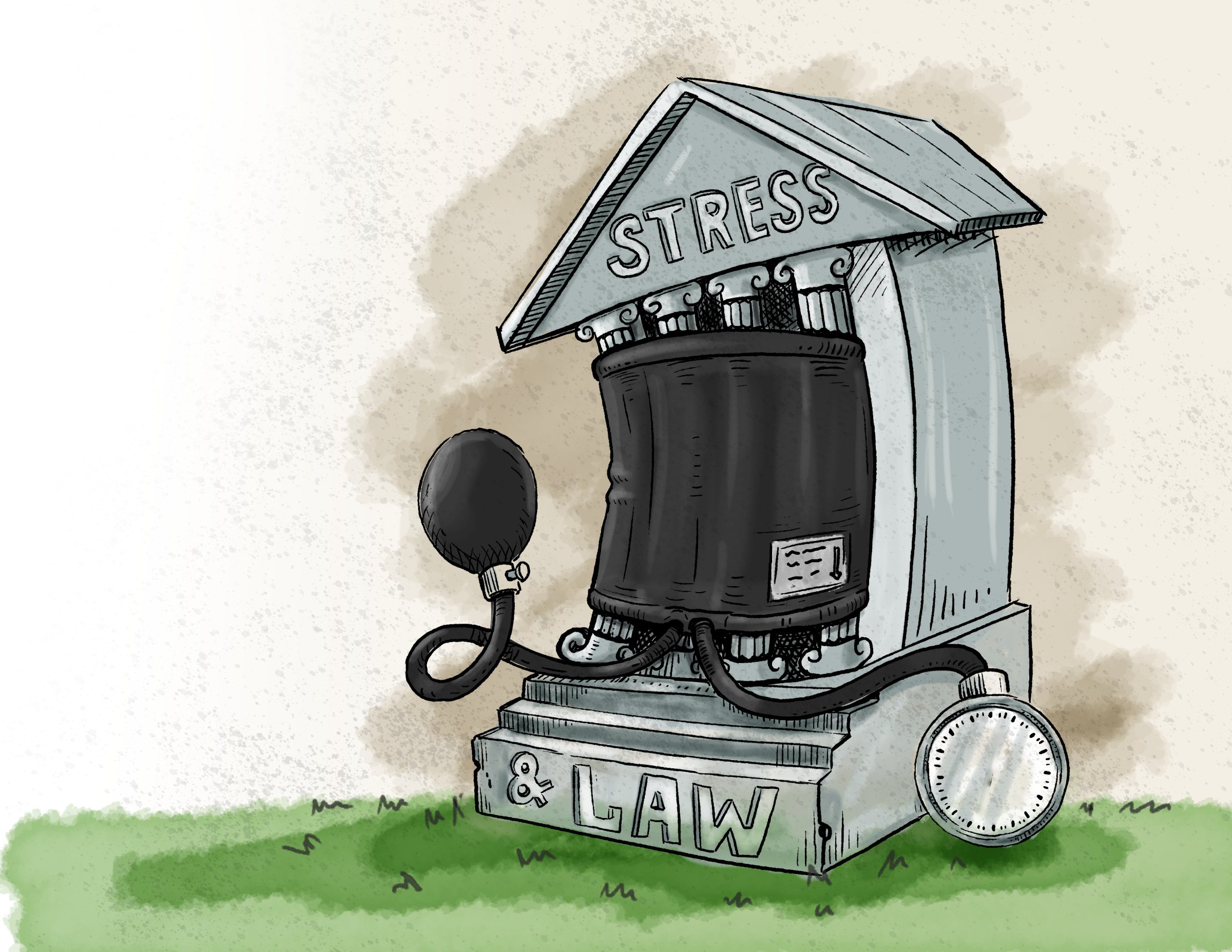
    Stress and Law

    Stress and Law

    Stress and Law: How Does Lawyer Unwellness Begin and What Are Its Roots?

    Scroll ↓or use arrows ↑↓

    We know the practice of law is stressful. But why is the law such a stressful practice? What drives the high rates of mental health and substance use issues in the profession? What contributes to a lawyer’s unhappiness and dissatisfaction over time?

    In order to understand why lawyers find themselves stressed, depressed, or suffering, we must travel to the beginning, to the start of our careers in law school. No one imagines that they may encounter burnout, secondary trauma, chronic stress, substance use, or mental health struggles in their careers. But that can await law students as they move along their path. Studies show that students entering law school are really no different than the general population when it comes to mental health and substance use. But somewhere in the storied halls of knowledge, students begin to experience a change, which in many cases creates a negative impact moving forward through school and into their careers.

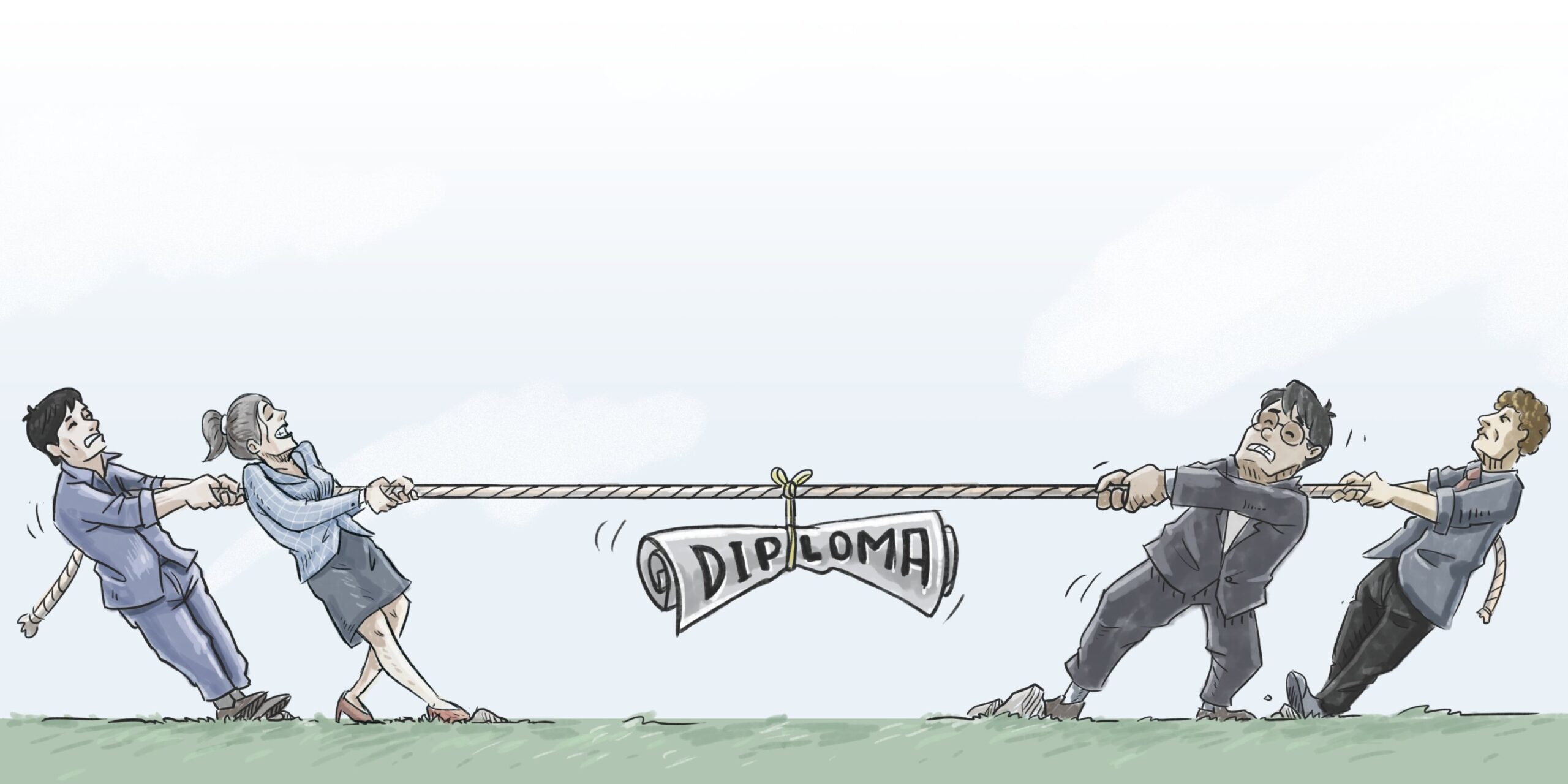
    What does this transformation look like? How does it begin? It often starts with a loss of control. One of the key challenges law students face in maintaining their mental health is the lack of control they experience in their burgeoning law school careers. Many schools still rely on grading curves, where a student’s performance is measured against their peers, rather than on individual merit. It can mean that no matter how well a student performs, their grade on an exam is determined relative to their classmates.

    The curve method creates a conflict, where a student is torn between their hope that their classmates do well, but also knowing if their peers do well, it may affect their GPA and standing in any given class.

    In the first year of law school, the curve determines grades in many foundational classes based on a distribution and not the merits. This system can create a scarcity mentality and become a breeding ground for anxiety and stress. Students feel a lack of autonomy because their efforts and grades do not go hand in hand. This creates a competitive environment where collaboration is either consciously or subconsciously discouraged. This then extends through school as students compete for moot court, internships, and summer associateships. This competition can lead to a sense of isolation. The curve method creates a conflict, where a student is torn between their hope that their classmates do well, but also knowing if their peers do well, it may affect their GPA and standing in any given class. This ongoing tension can be detrimental to a student’s mental well-being, leading to heightened stress or feelings of depression. In order to be on the high end of the curve, a student needs to be graded above the others, removing some of the impact of the student’s efforts from the ultimate result.

    Agency is important for growth and well-being. Knowing we have control over our lives creates a sense of purpose and determination, decreasing feelings of anxiety, worry, and unease. This lack of determination can lead to seeds of uncertainty and imbalance that then permeate students’ law school careers and, subsequently, their practice.

    How else does this transformation unfold?

    It isn’t a single defining moment that cements a future lawyer’s fate. Rather, it occurs in small steps. Law students begin by modeling those already in the profession and creating a professional persona that aligns with societal expectations of what a lawyer should be. Many of the traits that serve a lawyer well, such as analytical skills and a heavy reliance on logic, can lead to a suppression of emotional awareness. To fit the mold, students may dampen their emotions, presenting an image to the world that is in line with the public’s perception of the legal profession. This dissonance takes a toll, though, as wearing several personas or taking positions that are antagonistic to one’s values and beliefs creates an ongoing psychological battle. Over time, this battle can lead to the adoption of maladaptive coping mechanisms. To cope, many turn to the traditional but harmful comforts of alcohol and substance use.

    We know that a lawyer in the first 15 years of practice experiences the highest percentage of problem drinking in that period. Many incoming lawyers describe a feeling of imposter syndrome or feeling inadequately prepared for the practice of law. Having conquered law school, many lawyers are unprepared for the sometimes sobering reality of practice. Naturally, many reach for the coping mechanisms that they used in law school, such as excessive drinking or substance use to help manage the anxiety and feelings of overwhelm that can occur at work. It is easy to disguise any issues at first. Alcohol use or even recreational substance use in the beginning may not seem like a big deal. It may even be viewed as a rite of passage, an acceptable way to blow off some steam. But over time, addiction can take hold, imprisoning the lawyer in an imaginary pressure cooker where life can feel unmanageable.

    Over time, addiction can take hold, imprisoning the lawyer in an imaginary pressure cooker where life can feel unmanageable.

    Compounding the problem is stigma. We are ashamed or embarrassed to seek help. There is still a stigma surrounding mental health and substance abuse in our profession. While we may be keeping our heads above water, undoubtedly, we are suffering as we have lost connection to our physical, mental, and emotional health. We suffer in silence, afraid of the ramifications of coming clean and getting help. Admitting we are struggling is sometimes the most difficult part given the public persona we have so carefully crafted for our peers, bosses, clients, and coworkers — facing that we can’t handle the problem on our own flies in the face of the training we have received to be problem solvers.

    Many of us entered law school with hopes of becoming the next Atticus Finch. We pledged a firm commitment to the principles of justice, fairness, equality, respect, and dignity.

    We set out to become lawyers who would thrive and do good in the world. After all, we understood the law to be a noble profession, a system to uphold rights, and a way to correct injustices.

    We desired to become lawyers to level the playing field for those traditionally shut off from access to justice.

    We wanted to help those with little say in what was happening in their lives and use our legal education to help people in our communities lead better lives. The law is truly a noble calling that helps people lead better lives.

    We are called to it because we want to make a meaningful difference. But somewhere along the way in our noble pursuit, we become faced with challenges that sometimes seem insurmountable, leading to burnout, compassion fatigue, stress, mental health issues, and misuse of substances. It is essential to pay attention to the roots of unwellness in the profession so it can be addressed and tackled.

    Being aware of how it begins in law school is absolutely necessary to striking back at some of the root causes of lawyer unwellness. When we know better, we do better.

    When we know better, we do better.

    Karen Munoz

    Karen Muñoz is a legal wellness consultant and the founder of Roaring Grace Mindful Wellness in Chicago. A trial lawyer who tried several cases to multimillion-dollar verdicts, she co-chairs the Chicago Bar Association’s Well-Being and Mindfulness Committee and serves on the board of the Illinois Lawyers’ Assistance Program.

    Watch

    Stress & Law: Inside the Mental Health of Trial Lawyers

    Meet our Contributors

    Steven R. Young

    Trial Lawyer

    Law Offices of Steven R. Young

    Brewster Rawls

    Founder

    The Rawls Law Group

    Michael Abdan

    Partner

    CloudLex

    Chad Sands

    VP, Marketing & Editor

    CloudLex, Trial Lawyer's Journal

    Michael Harris

    Partner

    Jordan Law

    Daniel Kaufman

    Artist

    Daniel Kaufman Artist

    Hunter J. Shkolnik

    Partner

    Napoli Shkolnik

    Stacy Brown Randall

    Author and Referral Coach

    Stacy Brown Randall

    Discover Next

    Insights from PI Experts

    Learn from experts in personal injury about key cases, the business of law, and more insights that shape the future of trial law.

    He Was a Brilliant Lawyer

    He Was Brilliant Lawyer

    He Was a Brilliant Lawyer

    Scroll ↓

    In 2020, a dear friend lost his fight with alcohol and mental health.

    He was a brilliant lawyer.

    He was first in his law school class, clerked for the Supreme Court, and had the successful career to match.

    And then he wasn’t there any more.

    I miss my friend.

    My phone automatically put his number under “frequently dialed,” where it stayed for over a year afterwards.

    I still think of questions I’d like to ask him, stories he would laugh about, insults we would trade.

    I have a memento from his office in my chambers.

    I talked to him only a handful of hours before he passed.

    Several times over his last few years he told me,

    “The purpose of my life might be to be a warning to you.”

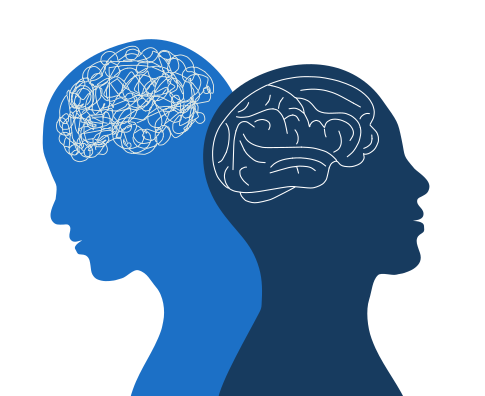
    Two head silhouettes in profile, one behind the other: the brain of the blue head behind is a tangled scribble, the brain of the navy head in front is drawn in calm, orderly folds.

    It was, and it is.

    I’m passing that warning along.

    It is popular to say, “Please ask for help,”

    and the plaudit is fine as far as it goes.

    But there’s no shame in admitting you can’t do it all.

    This is especially true for lawyers.

    The most thorough (and thoughtful) analysis of the challenges lawyers face that I know of remains a 1999 Vanderbilt Law Review article tellingly titled “On Being a Happy, Healthy, and Ethical Member of an Unhappy, Unhealthy, and Unethical Profession.” I am grateful to one of my professors, Northwestern Law’s James Pfander, for sharing it with me years ago.

    The article paints a sobering picture.

    Lawyers suffer dramatically higher rates of depression, anxiety, mental illness, alcoholism, drug abuse, divorce, suicide, and general unhealthiness. Law is an honorable, necessary, and important profession. At our best, lawyers help people solve the problems they cannot solve on their own. But it can take a horrible toll.

    I was lucky. My law firm experience, while very challenging, was positive.

    I learned much. I met wonderful people. I made friends.

    But if you are a practicing lawyer (and particularly if you are a young one), think about how you are going to complete the marathon of practicing well.

    Let my friend be a warning.

    It is never too late to try something else, and there’s no shame in trying.

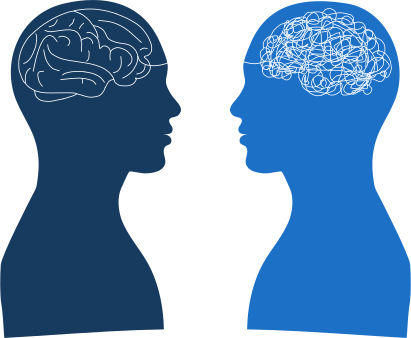
    Two head silhouettes facing each other: a navy head whose brain is drawn in calm folds, and a blue head whose brain is a tangled scribble. A single white line runs from one brain to the other and connects them.

    You are not a failure if you do.

    Judge Kenton Skarin

    Kenton J. Skarin is a former judge for the Illinois 18th Judicial Circuit Court in DuPage County. He contributed to Trial Lawyer’s Journal No. 02.

    If you or someone you know is struggling, call or text 988, the Suicide & Crisis Lifeline, or reach your state’s Lawyer Assistance Program. The call is confidential.

    Always in My Heart

    Always in My Heart By Shari E. Belitz, Esq.
    Palette-knife painting of the Twin Towers glowing gold at dusk above Lower Manhattan, with two red hearts floating on the harbor

    Always in My Heart

    Dear World Trade Center:

    23 years. I think about you every day.

    Do you know we were born the same year? 1973.
    I was born in March, you in April. We grew up together. We were both 28 ½ years old when you died.

    You still visit me in my dreams. Less often each year.

    But as September emerges, you visit my dreams a couple times a week.

    I am walking in your plaza. Or at Borders.

    I see you from afar. You are my compass and know I am looking South with the West to my right, the East to my left.

    I see you at night lighting the sky. Watching over the city.
    We should have been watching you.

    My dreams of you often turn violent. I see you burning with faces at your windows. I wake up screaming.

    We were together the day before. Why wasn’t I with you during your darkest hours? I will take this question to my grave. Why was I spared? For 23 years I have not looked at the deposition scheduling order.

    My death certificate.

    I watched you die.
    Part of me died that day too.

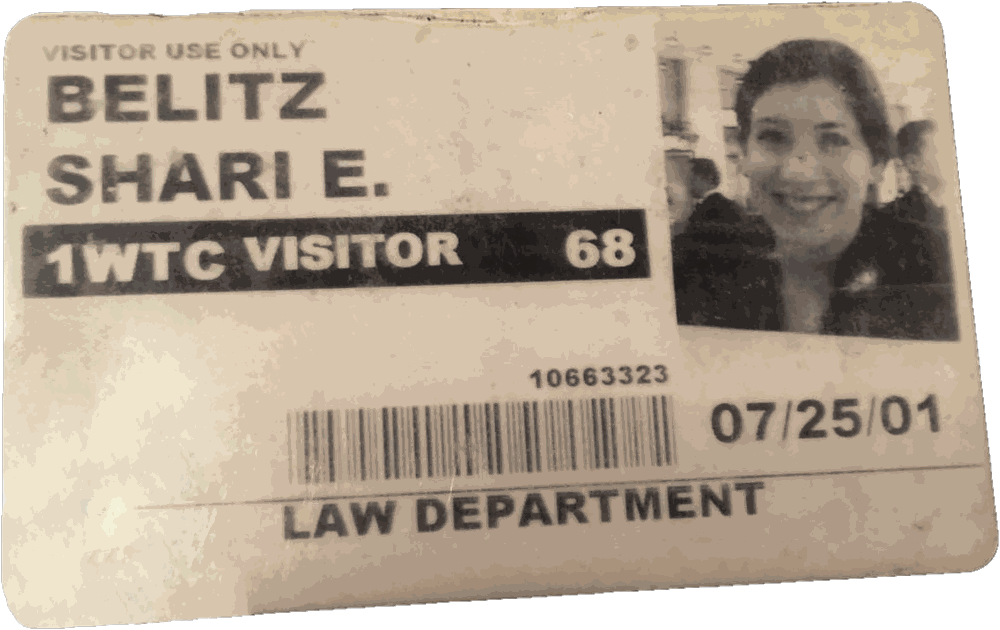
    Shari E. Belitz’s visitor badge for One World Trade Center’s law department, dated 07/25/01

    Shari E. Belitz, Esq. is a litigation strategist, founder of EnPSYCHLAWpedia™ and CEO of Shari Belitz Communications.

    Trial Lawyer’s Journal No. 02

    Discover Next

    Insights from PI Experts

    Learn from experts in personal injury about key cases, the business of law, and more insights that shape the future of trial law.

    Our City: The Teamwork, Trust, and Technology That Power Liakas Law

    Our City Cover
    Looking up at downtown Manhattan skyscrapers disappearing into fog

    Our City: The Teamwork, Trust, and Technology That Power Liakas Law

    Midtown towers fading into a gray layer of fog

    On the 50th floor at 40 Wall Street in New York City, Nicholas Liakas stares out the window of his corner office as a slow-moving, gray layer of fog wraps around the downtown skyscrapers looming across a city block. Nicholas wears a nice suit, nice watch, nice shoes. The “Man in the Area” poster on the wall is nice. Even his office mini-fridge is nice. At the touch of a button, the clear glass interior windows can turn into a frosted privacy curtain, turning his office into a cloaked private bunker like in some sci-fi film.

    Very nice.

    The Trial Division at Liakas Law

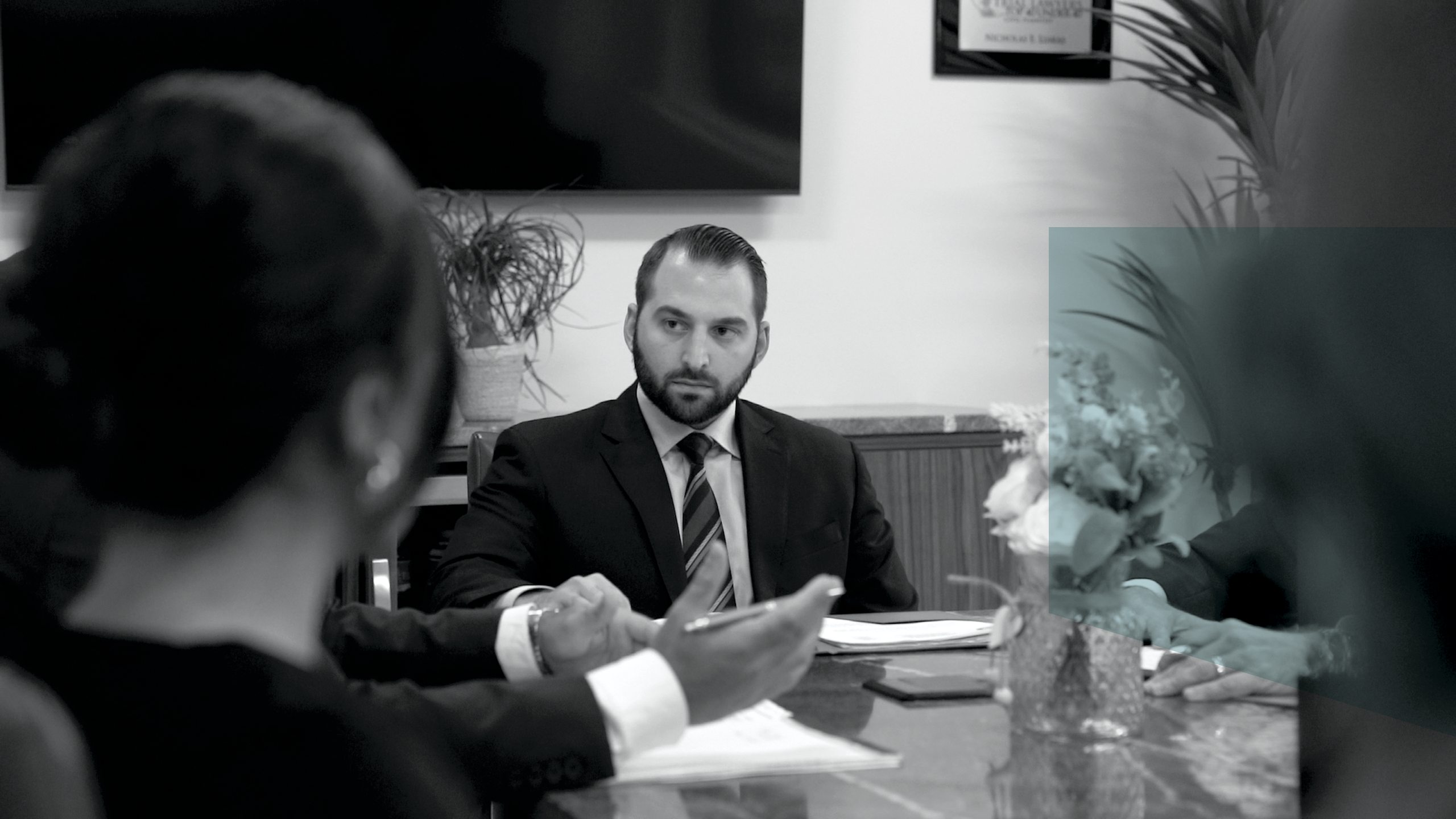
    Stipple portrait of Nicholas Liakas

    Nicholas Liakas Senior Partner and Trial Attorney

    Nicholas Liakas

    Senior Partner and Trial Attorney

    Teamwork makes the dream work: that’s not merely an axiom at Liakas Law. The personal injury firm was the dream of Nicholas and his two brothers, and its unusual team structure has helped fuel its success.

    Since being founded by Stephen, Dean, and Nicholas back in 2014, the New York firm has grown to more than 140 employees. “We formed in a small room in downtown Manhattan, and I shared an office with my two brothers, who are my partners. The room was probably about the size of my office now,” Nicholas Liakas recalls.

    “We knew that we could rely on each other, and we could trust each other in growing a business,” Liakas continues. “We were lucky to have that because most firms or young attorneys coming out don’t have that ability to partner up with like-minded individuals, to partner up with people you can trust without question and who will understand that years one through eight or one through five may not be easy. They’re not going to be fun, it’s certainly not going to be glamorous. But you have to build it if you want to build something that’s potentially generational, that can change individuals’ lives, and that people who have serious and catastrophic injuries are going to trust you to handle their case and to protect them and their families.”

    We knew that we could rely on each other, and we could trust each other in growing a business.

    That sense of trust in working toward a common goal, unwavering throughout a decade, is not the firm’s only defining element. There’s also its structure, with discrete teams for different types of cases, from motor vehicle accidents to premises liability to workers’ compensation.

    “Every department has a chair. Every department has multiple attorneys, paralegals, coordinators, dozens of people for each team so that we can really foster collaborative work,” Liakas says. “We want our clients to know that they have a team behind them. No matter how big or small their case, there are multiple attorneys. It’s important because the people in the companies we are facing are powerful. They have teams of their own.”

    In addition to having departments for individual practice areas, Liakas Law has a dedicated Trial Division, because trying cases in court is a specialty in and of itself, Liakas says: “It’s something that you have to want to learn and have to want to live.”

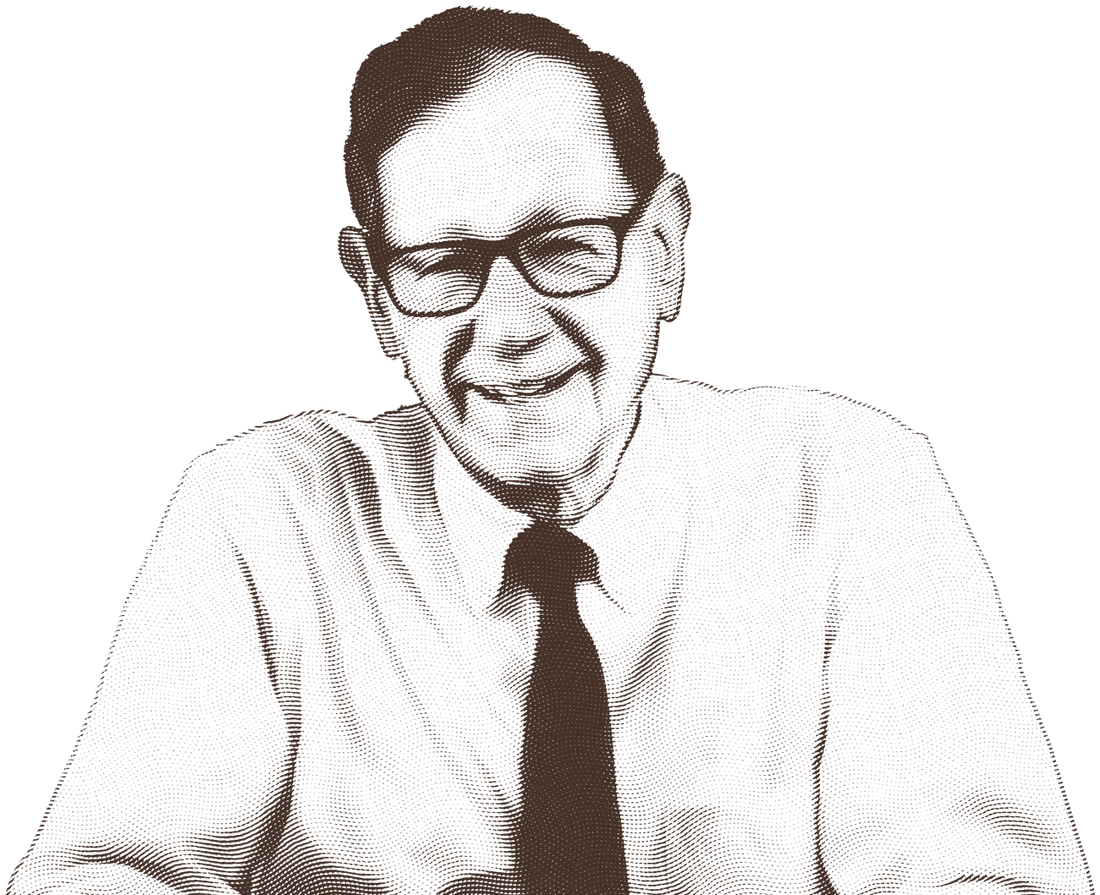
    Stipple portrait of Adam Wolk

    Adam Wolk Former Chair of the Trial Division Profile

    Adam Wolk

    Former Chair of the Trial Division

    Adam Wolk, who joined the firm in 2022, chaired the Trial Division. Adam is tall and lean, with dark circles under his eyes, either from a wild night out or a little kid depriving him of sleep (it’s the latter). His office is not in a corner. No “Minority Report” privacy glass either. A skeleton is propped up behind him. He keeps his hands busy, clicking a pen.

    “After they offered me the job at Liakas Law, Nick tells me, ‘By the way, Adam, we have an inquest your first week that we need you to take care of.’ So, the week before I go into the office, I look at the paperwork and realize: this isn’t an inquest; it’s a trial.”

    Adam ended up getting a $3.5 million jury verdict on that case that first week. The bar was set.

    “It’s a very individual, personalized job. I think that’s why I like it so much because I really do enjoy it. Nobody’s coming to see me when things are going good. They see me when they’re in a rough spot, and they need somebody who has expertise in an area that they’re unfamiliar with. So we need to look at a case that’s going to be on trial as soon as possible so we can be prepared. That is my job as a trial attorney: to put my clients in the best position to win a jury trial.”

    While people can go through horrible stuff, listening to them and being there for them can do more good than you’d ever think.

    Adam’s career is as unconventional as it is inspiring — he grew up with dreams of storytelling, originally through film, and found himself navigating life’s many detours, from driving a cab in Montauk to working on fishing boats. After some difficult crossroads and significant personal reflection, he eventually followed in his father’s and grandfather’s footsteps and turned to a life in law. But, for Adam, the courtroom has become a new kind of theater — a place where he can present powerful narratives on behalf of those who need their stories heard most.

    “To resonate with the jury, I need all the stories — the good and the bad,” Adam says, reflecting on his time spent traveling across the country working on high-litigation asbestos cases. “It made me realize that while people can go through horrible stuff, listening to them and being there for them can do more good than you’d ever think, both for them and for the case. It allowed me, as a trial attorney, to get the information I needed to actually do my job and pursue justice. Because when you’re talking about the loss of someone’s life, if we don’t win, at least I know we put everything out there.”

    Adam Wolk leads members of the Liakas Law team down an office corridor

    That’s my job as a trial attorney: to put my clients in the best position to win a jury trial.

    Stipple portrait of Paul Bitetti

    Paul Bitetti Partner and Co-Chair of the Trial Division

    Paul Bitetti

    Partner and Co-Chair of the Trial Division

    Paul Bitetti is the other dedicated attorney in the Liakas Law Trial Division. A framed, autographed jersey of NFL linebacker Howie Long sits on his wall. A signed NFL football rests on a shelf.

    Paul is the type of guy who lives in New York but has season tickets to the Las Vegas Raiders. He’s the type of guy who can fly to Vegas for the weekend to watch the game (and do whatever successful trial lawyers in their 30s do in Vegas for 48 hours) and then get on the red-eye Sunday night and walk into the office by 8 a.m. on Monday. Paul credits his days as a former D-1 lacrosse captain for his competitiveness in the courtroom and time management skills.

    “Being a college athlete, you have to learn very early on to budget your time wisely,” he shares. “And time management, whether it be in sports or in your eventual career, is very important. I’ll have 20 to 40 trials coming up in a given year, and being able to take a little time for each one of them, while not neglecting any of them, is extremely important.”

    He also describes his job as a trial lawyer as being “the last line of defense for clients.” Most cases are resolved before they ever make it to the Trial Division, but when they do, “We go all in.”

    Most cases are resolved before they ever make it to the Trial Division, but when they do, “We go all in.”

    After intake is completed, the Trial Division will do a complete investigation of the case — whether that be with documents, photographs of the scene of the accident, medical records, anything to get a full understanding of it — so they are prepared and ready. Because in some scenarios, they will have a year or longer on the trial calendar, but other cases may only have a few months due to the length of discovery or other factors.

    “When the case does go to trial, we meet with the initial team that was handling the case so we get a full understanding of everything that’s going on — the good, the bad, the ugly — everything.”

    Stipple portrait of Hon. Justice Mark Partnow (Ret.)

    Hon. Justice Mark Partnow (Ret.) Senior Partner

    Hon. Justice Mark Partnow (Ret.)

    Senior Partner

    Honorable Mark Partnow sits at his desk, a gavel in front of him. But unlike most gavels that might be sitting in a law office, he earned that gavel.

    Justice Partnow’s legal journey is a testament to lifelong dedication to a life of law. From his early fascination with the legal system to his role as a New York State Supreme Court judge, and now as a senior partner at Liakas Law, his career reflects a deep commitment to fairness and advocacy.

    “I used to love watching legal shows on TV,” he reminisced. “It occurred to me very early in my life that I could do that — I could put on the black robes and be a judge someday.” His passion led him to law school and, ultimately, to the Brooklyn political scene, where he gained critical connections that would later propel him into the judiciary.

    After graduating from the Benjamin N. Cardozo School of Law, Partnow began his career as a law clerk for two New York State Supreme Court judges. “I was fascinated by watching judges preside over trials and trial lawyers represent their clients. It gave me the opportunity to do a lot of legal research and writing.” This behind-the-scenes exposure to courtroom dynamics was instrumental in shaping his judicial philosophy and career trajectory.

    In 2002, his aspirations became a reality when he was elected as a Justice of the Supreme Court of the State of New York. Over his decades-long tenure, Justice Partnow became known for his impartiality and work ethic, qualities that earned him the respect of his colleagues and attorneys alike. “I’ve been told I presided over more trials in Brooklyn Supreme Court than any other judge in the state,” he said matter-of-factly.

    I have the opportunity to advocate for seriously injured individuals whose lives have been uprooted by negligence.

    “Every case kept me up at night. I loved being a judge, but every case — both on the criminal side and the civil side — people’s lives are affected by what a judge does. People’s lives are affected by what a jury ultimately does. So, as a judge, you try to make sure that justice is done.”

    Partnow transitioned to private practice, joining the Trial Division at Liakas Law as a Senior Partner. The move was a natural fit, given his respect for the firm’s professionalism and dedication to its clients. “I have the opportunity to advocate for seriously injured individuals whose lives have been uprooted by negligence,” he explained. “It’s critical that someone be held accountable for their wrongdoings, and I’m proud to be part of a team that fights for justice.”

    The Charging Bull statue on the cobblestones near Wall Street

    CloudLex has all the information in an easy-to-use platform I know my team will actually use.

    Avoiding the Element of Surprise

    For Liakas Law, CloudLex — one of the leading software platforms built exclusively for personal injury law — plays a major role in eliminating surprises by supporting every stage in the process, from intake to discovery to trial. The firm’s team structure ensures that each case is tended to by more people than at many other firms: “You’re going to have multiple secretaries, multiple paralegals, medical coordinators, and attorneys involved with your case who are making sure everything that needs to be done is done,” Bitetti says.

    Having a central, easily accessible source of truth is key, so that at any given time, a team member can refer to photographs, medical records, summonses, complaints, and every other potentially relevant record.

    “You need to know these cases inside and out,” Bitetti says. “You need to make sure you retain the right experts, the right treating physicians, and also bring your client in and speak to them and truly listen to them, not just read their deposition transcript.”

    “I want everything to be noted,” says Wolk. “CloudLex has that. It’s very simple. You press the plus button, you write a note, it has the date. You can reference people in the note.”

    Not only does Wolk reference others, but he also relies on being referenced: When an issue is filed, he’ll receive a note so that he knows a case needs to be prepared for trial. “At this point, I need to figure out who is supposed to post what records we have and what happened, what we have, what we need to have, and what I need to do in order to prepare for a trial that will happen in two years.”

    Given the myriad cases he’s overseeing at any one time, being able to easily and efficiently track, update, and be updated on each one is critical. “I need to make sure that if it’s a trip-and-fall, I have an engineer,” Wolk says. “If my client’s young and it’s an injury that’s going to get worse or deteriorate, I need to have a life care plan. So, the first thing I do is review it, note it, and send it off to the team.”

    CloudLex also helps him and his colleagues do what they can to avoid going to trial. “Because I’ve done the things to prepare to make the insurance company realize, ‘Hey, we should probably pay,’” Wolk adds. “So, part of my job is information gathering. CloudLex has all the information in an easy-to-use platform I know my team will actually use.” The software offers at least one other benefit to Wolk: “It reminds me of what I’ve done in cases, because my short-term memory sometimes is a bit shoddy,” he confesses with a slight grin.

    Nicholas Liakas in a meeting at the Liakas Law offices
    Silhouette of a man looking out a high window at the fog-covered city

    Staying Connected In and Out of Court

    CloudLex also facilitates client communications, says Nicholas Liakas, who might see up to 20 clients in a day: “When a client comes in or I need to review case updates, I am turning to CloudLex to give me information immediately so that I can relate to our client. The client understands what’s going on. We can talk about the good, we can talk about the bad. And I have that information at my fingertips.”

    The firm relies on CloudLex in the courtroom as well as in the office. Not only do the attorneys access documents on their iPads when needed, but they also use the platform for a bit of in-court showmanship. “That old style of the big boards coming into courtrooms and holding the MRI films up to the light, that doesn’t work, because people don’t get captured by that,” Liakas says. “They don’t understand it. It’s really boring. So we’ve integrated the technology into the trial. All of my documents are available immediately at my fingertips. I can put them up on the TV screen at trial. We can highlight certain things. We can easily flip to what we need to get during a cross-examination or a heated argument in court. And it’s something that has helped us. I’ve actually gotten questions from defense attorneys and from other plaintiffs’ attorneys who have sat in on trials asking, ‘What kind of technology are you using?’”

    Like myriad other firms, Liakas Law relied on Excel spreadsheets, Word documents, and multi-ring binders in its early days. Now, with CloudLex, “we actually moved to entirely paperless files,” Liakas says. “Everything is at your fingertips. You’re able to access any document, you’re able to access notes, lien information, request medical records, case expenses. You’re able to track all of that and communicate with other team members. It’s all at your fingertips. And that’s something that was important to us in how we want to run our firm.” In fact, he calls CloudLex “an integral part of our law firm.”

    And by running their firm the way they do, the Liakas brothers have not only found justice for and improved the lives of their clients but also helped shape policy and law. The firm’s litigation on behalf of the families of clients killed by a fire spurred the establishment of federal safety regulations for space heaters; another case contributed to New York State bail reform; a third led to supervisory changes in a New York hospital system to better protect patients.

    1. 01FederalSafety regulations for space heaters
    2. 02New York StateBail reform
    3. 03A New York hospital systemSupervisory changes to better protect patients

    “We call it impact litigation,” Liakas says. “And that’s something we really take to heart. Having that impact on the individual and having that impact on the policy or the legislation or the procedure means a lot because that’s a way we can leave our mark and make our city better for everyone.”

    Looking up at downtown Manhattan skyscrapers disappearing into fog

    That’s a way we can leave our mark and make our city better for everyone.

    — Nicholas Liakas

    Discover Next

    Insights from PI Experts

    Learn from experts in personal injury about key cases, the business of law, and more insights that shape the future of trial law.

    Natural Born Litigators: The EDC

    Natural Born Litigators: The EDC
    Comic book cover: five Environmental Defense Center superheroes charge out of a crashing wave beneath the title “The EDC”

    Natural Born Litigators: The EDC

    Defending nature and advancing environmental justice on California’s Central Coast through advocacy and legal action

    Comic panel: an offshore oil platform erupts in an orange fireball under the word “BOOM!”

    Big bad oil companies and their big bad, money-hungry legal teams.

    Sound familiar?

    Across the globe, corporations have tried to build countless new projects at the expense of environmental sanctuaries, oceans, wildlife, and our communities.

    Key word: tried.

    So who is saving us from environmental destruction?

    Who is the voice of our people and takes action against these scheming conglomerates?

    Would you believe me if I told you it is a small nonprofit, public interest firm in Santa Barbara, California?

    These people are the environmental superheroes, and they call themselves the Environmental Defense Center.

    But who exactly are these people, and where did they come from?

    EDC Assemble

    On January 28, 1969, a catastrophe struck off the Central Coast of California: Union Oil’s Platform A, located in the Dos Cuadras Offshore Oil Field, had a major well blowout, putting Santa Barbara County on the map for environmental awareness. Not only did the spill make headlines across the globe, it also became a catalyst for the creation of Earth Day, numerous environmental studies programs in universities across the country, and helped establish federal and state environmental protection laws and agencies.

    The first environmental law passed after the spill was the National Environmental Policy Act (NEPA), which requires all agencies to consider what the environmental impacts may be before embarking on or approving a project. Additional acts passed include the Clean Air Act, Endangered Species Act, and Coastal Protection laws.

    Despite all the bad, something good had emerged — the Environmental Defense Center (EDC), a mighty 501(c)(3) nonprofit of eleven staff members that works with other local nonprofit organizations to advocate for environmental protection and provide legal counsel. The EDC is one of a kind, serving as the only public interest environmental law firm between Los Angeles and San Francisco focusing on climate and energy, environmental justice, and protecting land, water, and the ocean.

    But how did EDC come about amidst all of the chaos?

    “Marc McGinnes, who helped found the Environmental Studies Program at the University of California Santa Barbara, was an attorney who tried to get his law firm to take environmental cases, but they said they weren’t interested,” recalls EDC’s (environment-protecting, badass lawyer version of Tony Stark), Linda Krop.

    So McGinnes tried to get other attorneys to take cases, but they didn’t have the time and expertise. He then approached a group that had actually formed as a result of the oil spill called Santa Barbara Citizens for Environmental Defense.

    “They were the advocacy group that came out of the oil spill. He knew that they were interested in advocating before different agencies and trying to get good decisions made and avoid bad decisions, so he approached them and said, ‘Hey, how about if we add lawyers to your group?’ They loved that idea, so they launched the Environmental Defense Center in 1977. He was the first chief counsel.”

    The objective of EDC was — and still is — to bridge the gap between a galvanized community that wants to avoid another ecological disaster and the newly created environmental protection laws.

    Not only does EDC serve as a protector of environmental and public safety, but it also serves as a tool of mobilization and legal support for organizations and communities that want to take action to protect the environment. EDC was formed not to serve as an independent organization, but to be the legal backbone for other groups.

    For almost 50 years, EDC has represented 140 organizations, ranging from local groups such as Save Ellwood Shores to national groups like the Sierra Club and the Surfrider Foundation. Its nonprofit status makes EDC unique from other public interest law firms that charge their clients fees.

    Although some clients provide financial support, EDC mainly relies on donations, fundraising events, foundation grants, and attorney fees from successful cases to help as many causes as they can without taking any governmental money.

    Since it is the only firm of its kind in the region, EDC receives a plethora of requests. Though it is small and mighty, EDC cannot take on every case presented to it and instead makes referrals to other firms. The staff decides what cases they will represent through an extensive selection process and criteria established with EDC’s Board of Directors.

    With the Board, they decide if the issue is significant to the environment and community, involves environmental justice threats, and aligns with EDC’s mission and priorities — mainly concerning public health or the environment.

    “I like to say that the Environmental Defense Center is a law firm and an environmental organization because we do everything from litigation to education and everything in between,” says Krop.

    When she attended UC Santa Barbara for her undergraduate studies, Linda became a volunteer for EDC, working on the two biggest environmental issues on campus at the time: the Diablo Canyon nuclear power plant — which she continues to be involved with at EDC (full circle, superhero moment) — and fighting a liquefied natural gas project off Point Conception.

    Linda expresses her gratitude for Marc McGinnes when she states, “I was very fortunate to have Marc McGinnes as my mentor. When I graduated from UCSB and wanted a career in environmental advocacy, people suggested that I talk with him, and he was the one who recommended that I go to law school — that had not been on my radar at all — but he said, ‘Well, why don’t you go to law school and you could intern or clerk with the Environmental Defense Center. We need more public interest lawyers.’”

    Think of Marc as the Iron Man to Krop’s Spider-Man (Tom Holland’s version).

    “I call myself an accidental lawyer, and I had a very unusual path. I grew up in a family that was very active in social issues and political campaigns. My mother helped found the local chapter of the League of Women Voters, and she would take me to forums and meetings. She would take me precinct walking, and she was very focused on social and environmental issues and civil rights. So I had that activism background. I also had a love of nature,” Linda shares when referring to why she wanted to become an environmental lawyer.

    After receiving her JD and clerking for EDC for three years, Linda became an official staff attorney in 1989 and the chief counsel in 1999.

    “I ended up being really happy to have a career in law. I feel like it’s the most effective way to be an advocate. Just being able to actually impact the decision-making and make a difference in that way — it’s the most active you can get in creating change.”

    During her 35 years at EDC, Linda has created long-lasting environmental changes, such as terminating 40 federal oil and gas leases offshore California in 2005, defeating several oil drilling projects, and contributing to the preservation of areas for public access and ecological protection.

    Not only does she save the environment with her superhero staff, but she also teaches students at UC Santa Barbara how to make an impact through environmental law.

    Comic-style view of the Diablo Canyon nuclear power plant on the Central Coast under a big blue sky

    I ended up being really happy to have a career in law. I feel like it’s the most effective way to be an advocate. Just being able to actually impact the decision-making and make a difference in that way — it’s the most active you can get in creating change.


    Comic panel: a Chumash man in a red cloak stands on a hillside at Point Conception, looking out over the ocean at sunset

    Recognizing EDC’s Native Roots

    When talking about environmental advocacy and preserving land from environmentally harmful developments, it is crucial to acknowledge those Indigenous to the land that EDC works so vigorously to protect — the Chumash people.

    EDC recognizes that its office sits on unceded, occupied, stolen lands on Shmuwich (Chumash) Territory and is committed to making space to elevate Indigenous voices and support local Chumash and Indigenous communities in their work to protect the environment.

    In fact, two of EDC’s very first cases represented the Chumash. One project involved fighting the liquefied natural gas project off Point Conception, a sacred Chumash site. Point Conception is considered the Western gate for the Chumash; when mortals pass away, that’s where their souls leave the Earth and transition from this world to the next.

    Additionally, EDC represented the Chumash in a case to protect Hammond’s Meadow, where a proposal for a large development would have not only destroyed habitat but also blocked public access to the beach. These are two projects EDC successfully won and shut down before causing further damage.

    Linda highlights EDC’s long-standing connection with the Chumash, having represented various Chumash bands throughout its existence — whether federally recognized or not.

    “We have been working very closely with the Northern Chumash Tribal Council in San Luis Obispo to support the designation of a new national marine sanctuary that will probably be designated by the end of 2024. It’s the first tribally nominated sanctuary in the country’s history. We are also partnering with the Santa Ynez Band, which is the only federally recognized tribe, on creating a petition to establish a marine protected area off Carpinteria, CA.”

    Linda Krop

    The Unstoppable Force Meets the Immovable Object

    It often seems like Big Law firms are the ones who handle these big cases with big oil conglomerates. Money and time are of the essence when it comes to facing these black-hole, bottomless-pit companies with endless supplies of cash and lawyers. You would think a nonprofit firm as small as EDC would purposefully be positioning itself between a rock and a hard place, but in the 47 years of its existence, EDC has learned how to stand its ground.

    EDC has gone against powerful companies from ExxonMobil to BHP Billiton. In 2015, there was a pipeline spill that shut down several offshore oil platforms owned by ExxonMobil in the Santa Barbara Channel; four of them being shut down permanently due to pipeline corrosion.

    Comic panel: a convoy of oil tanker trucks barrels down a highway as wildfire burns on the hills

    As a result, Exxon applied for county approval to load its oil onto trucks and transport the oil up the Gaviota Coast and across Route 166 — a very dangerous highway that leads to Bakersfield, California. Exxon proposed sending 70 loads daily, which equated to 140 truck trips a day.

    70loads daily

    140truck trips a day

    While waiting for their application to be considered, there was a major oil tanker truck accident on Route 166, causing the oil to spill into the Cuyama River.

    The county planning staff began recommending approval by preparing an environmental impact report (EIR) that minimized the impact of potential spillage and claimed that there was only a risk of an oil tanker truck spilling on Highway 101 every 52 years and on Route 166 every 17 years.

    This is when EDC swooped in and took charge. According to Linda, EDC had doubts about the proposed EIR, so they hired three undergraduate interns from UC Santa Barbara to do research via Public Records Act requests to agencies like sheriffs and highway patrol, oil spill and emergency response agencies, and by conducting media research.

    These brilliant interns developed a report regarding oil tanker accidents along the proposed route and found that “In the last 15 years, there have been eight oil tanker truck accidents, six in the last six years — so one every year, resulting in deaths, fires, explosions, oil spills, road closures, et cetera.”

    The EIR claimed

    52years between tanker spills on Highway 101

    17years between tanker spills on Route 166

    The interns found

    8tanker truck accidents in 15 years

    6in the last six years

    So what happened?

    “We submitted our report, very different than what the EIR said. We looked at what’s the risk of this proposal, and we convinced the supervisors to deny the application, even though the staff had recommended approval. So that shows how we use this process. We got the project denied. That was great.” Additionally, EDC was able to prevent the county from allowing ExxonMobil to restart the three oil rigs.

    Boom.

    Goodbye.

    Vetoed.

    At this point, you would think Exxon would take the hint and swallow its pride, but instead, they sued the county. They thought they had finally had it this time, but right before disaster had struck, the mighty superheroes of EDC came back with 10 times more force.

    EDC intervened in that lawsuit on behalf of its clients, which consisted of local, state, and national groups, and finished ExxonMobil off in the final round of court with back-to-back wins. “Had we not been there, the project probably would have been approved and it probably would have been too late for someone to challenge it, so that’s a good example of how we use the law, but we also use the science and the data and we do our research so that when we get to court, we have all the evidence that we need. And the court relied on our evidence in their decision. The judge actually cited the Environmental Defense Center evidence,” Linda reveals.

    But this isn’t a one-time thing if that’s what you are thinking. EDC has defeated ExxonMobil on multiple occasions, Mobil before it joined forces with Exxon, and Chevron.

    But the fight doesn’t stop here.

    Comic-style court document: the caption page of a United States Court of Appeals for the Ninth Circuit opinion

    EDC has gone up against every type of beast imaginable, including BHP Group Limited, formerly known as BHP Billiton, the largest mining company in the world based out of Melbourne, Australia. In 2007, BHP proposed a liquefied natural gas project off of the coast of Oxnard, California, where it wanted to build the first natural gas import terminal along the West Coast. Not only was BHP attempting to cause major destruction to the environment, but it was also going to majorly impact the surrounding community.

    “They looked at the entire West Coast of the United States and they picked Oxnard, CA [about 40 miles south of Santa Barbara] … because they thought this is a disadvantaged community, low-income, predominantly Hispanic, and they picked Oxnard. Well, that’s in our backyard,” said Krop.

    At the time, the project was even supported by former Governor of California, Arnold Schwarzenegger, and former United States President, George W. Bush. EDC was not going to take this type of hit and according to Linda,

    “We took the case and we defeated them. We killed the project.”

    Linda Krop

    Comic panel: Hearst Castle on a hilltop above fog-filled valleys on the Big Sur coast

    In terms of the legal issues, we can stand up to anyone ... What can sometimes be challenging are the politics.

    David vs. Goliath

    Like anything in life, there are always going to be the same issues that arise. You know what I’m talking about, like that one itch that keeps on itching. As a small firm going against some of the biggest, most powerful companies and public figures in the world, EDC has faced pesky obstacles, but Linda shared, “In terms of the legal issues, we can stand up to anyone. We have great laws. Most of the laws that were passed back in the 1970s are still intact to this day and so we have really strong environmental protection laws at the state and the federal level. And we have great tools. What can sometimes be challenging are the politics.”

    In 1998, the Hearst Corporation proposed a plan to San Luis Obispo County to build four major resorts between Cambria and San Simeon (home of Hearst Castle, considered to be the main inspiration for Xanadu in the film “Citizen Kane”) that would double the size of both towns combined. This development would be a gateway to the Big Sur coast and include three golf courses, an equestrian center, retail centers, commercial spaces, offices, and drastically widen Highway 1.

    Unfortunately, the County of San Luis Obispo had already approved the project. However, it was still awaiting approval from the California Coastal Commission, which comprised twelve politically appointed members. This is where the complications arose because EDC was informed that Hearst Corporation had already lined up votes on the California Coastal Commission. Luckily, EDC did not let this bump in the road stop them from turning those votes around.

    EDC struck again, submitting concrete evidence that Hearst Corp. was violating many policies of the California Coastal Act and in turn won a majority of votes of the Coastal Commission. Linda says the key to success is, “to focus and not get distracted and put together our analysis, do our research. And then we go out to the politicians and the decision makers and say, here, you know, this is what the law says. Here’s what the scientists say. Here’s what you have to do.”

    Fracking Begone!

    Recently, EDC worked on one of its most environmentally impactful cases thanks to many “watchdog” organizations who inquired whether oil companies were fracking at the platforms offshore California. One of the main responsibilities of EDC is to hold environmental agencies accountable for upholding laws and regulations. When faced with this potential fracking issue, EDC went to the federal agencies that oversee these types of platforms and asked if they were aware of any companies applying for fracking permits. The federal agencies claimed that no fracking was occurring off the coast.

    Of course, the trial attorneys at EDC were not buying their story and took matters into their own hands by submitting a Freedom of Information Act request for any documents relating to fracking, acidizing, or other forms of well stimulation at offshore drill platforms. It was no shock when they were met with 51 permits for fracking and acidizing.

    51permits for fracking and acidizing

    With their newfound evidence, EDC went back to the federal agency which was liable for not only issuing these permits without environmental review and being in compliance with NEPA, but for not putting out a notice to the public. The agency refused to make any changes when confronted about its wrongdoings. As a result, EDC took legal action against them, settled, and demanded that the federal agency conduct environmental reviews, surveying all platforms off the coast of California, and assess the environmental impacts from offshore fracking. Once again, the federal agency fell short of its responsibilities by claiming that there was not going to be any impact. EDC’s response? Take them to court, again, but this time by suing the agency under both NEPA and the Endangered Species Act.

    All of a sudden, this case was on everyone’s radar, including Kamala Harris, the Attorney General at the time, who filed a companion lawsuit. “So in this case, we were not only dealing with the federal agencies, but all the major oil companies intervened as well. So we were up against Exxon Mobil, the American Petroleum Institute — which represents the oil industry on a national basis — and a couple of other oil companies. They were all opposing us. The federal government was opposing us. And we won in the Court of Appeal on every single issue.”

    Are we surprised?

    Absolutely not.

    EDC has demonstrated time and time again that absolutely nothing can stop them, not even Goliath. Now, the agency has to conduct a proper environmental review and consult with resource agencies regarding endangered species. Since winning the case, EDC has not faced any issues with companies trying to frack offshore and all fifty-one fracking permits are now expired. Once again, EDC is on top.

    As it closes on almost 50 years of public service, EDC continues to serve the community and the environment through countless projects and collaborations through its four main programs — Climate & Energy, Environmental Justice, Land and Water, and Ocean protection.

    Climate & EnergyEnvironmental JusticeLand and WaterOcean protection

    We thank Linda Krop, the team of staff, and the Board of Directors at the Environmental Defense Center for their endless commitment to protecting and enhancing environmental safety.

    Comic panel: two offshore oil platforms on a dark sea under a stained, weathered sky

    Keep the EDC on your radar because they are not going anywhere.

    By Micah Gerola · Trial Lawyer’s Journal No. 02

    Discover Next

    Insights from PI Experts

    Learn from experts in personal injury about key cases, the business of law, and more insights that shape the future of trial law.