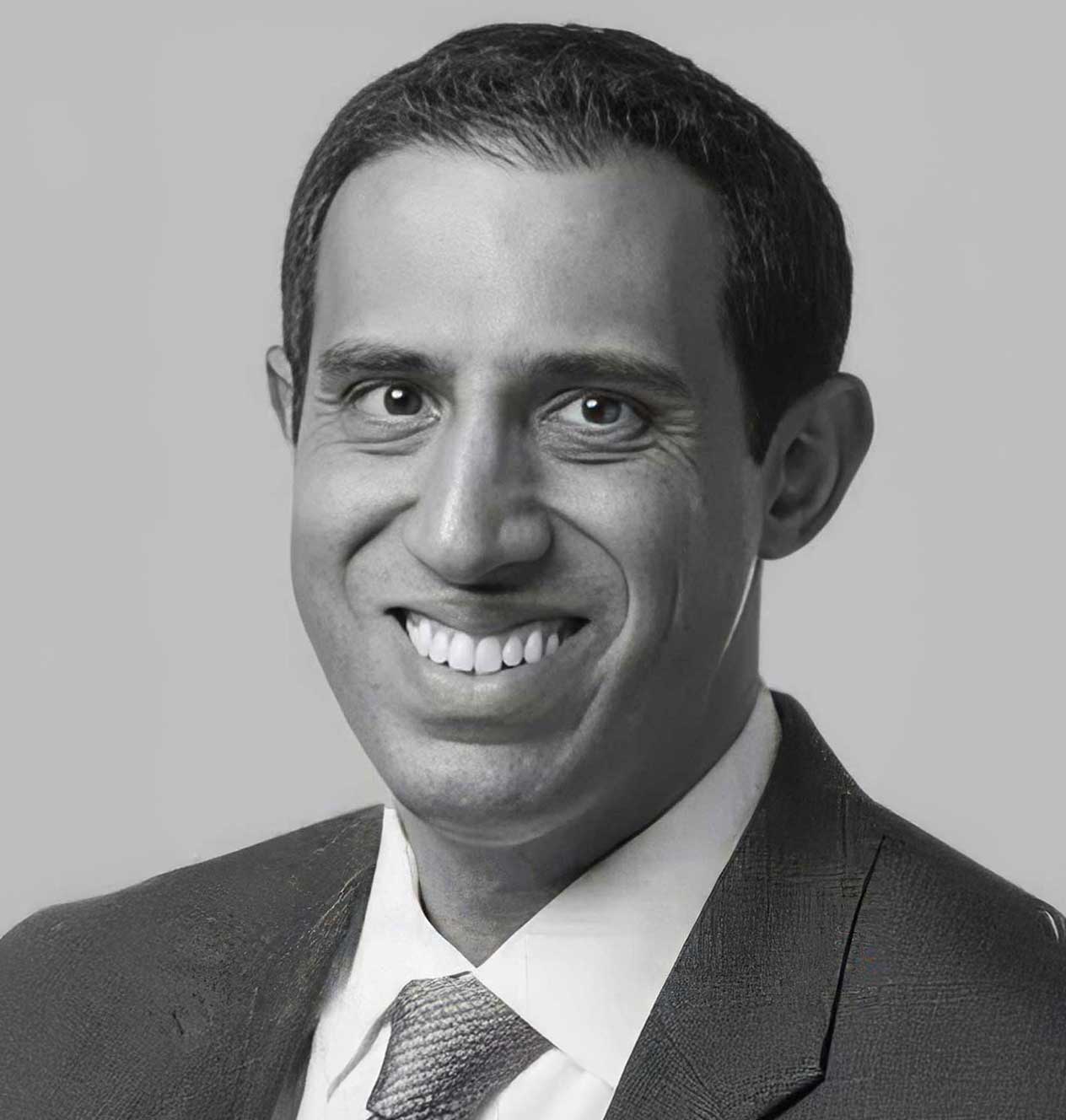


By Gary Gwiliam
If you have never lost a case, you don’t need to read this article. It’s written for those of us who have felt the pain of loss, the anger and frustration of defeat, and the humiliation of blaming ourselves for not doing a better job.
I doubt that many lawyers stopped reading at the first paragraph. Even though we always want to win our cases, it often doesn’t happen that way. We are trial lawyers. If we go into battle, we are going to lose now and then. However, the desire to win is so deeply instilled in us that it is difficult to think about losing.
We don’t want to talk about our losses. We only want to bask in the glory of our victories, no matter how large or small. However, any lawyer in litigation is going to have to deal with losses and will probably suffer many of them.
So what can we do about it? This article is written in order to help us deal with these inevitable losses. Perhaps there is a silver lining surrounding the dark clouds of defeat.
For the last several hundred years, our common law heritage has honed our legal system into our current adversarial system of justice. Most of us are very proud of this system. We hail it as the greatest legal system in the world. It is founded on the premise that if both sides of a disputed matter can present their best arguments to a neutral tribunal, a just decision will be rendered. The system assumes that the lawyer who cites the best legal authorities, presents the most persuasive facts, and makes the best arguments will win. Justice always triumphs — or does it?
The notion that justice is won through both sides presenting their best case is rooted in our common law history. It began with men fighting to their deaths in trial by battle. We now fight the battle with words instead of weapons, but the theory is the same: May the best person win.
Magazines, trial books, and seminars offer advice for winning cases. We trial lawyers talk about winning trial strategies, winning in voir dire, winning in opening statements, winning in closing arguments, and on and on. Just pick up any legal publication and notice how often the term “winning” is used. No one talks about losing. We ignore that subject.

Our overriding desire to win comes not just from our legal training. It runs through virtually everything in our culture–business, politics, and, especially, sports.
One of the greatest sports heroes of all time, former Green Bay Packers coach Vince Lombardi, spoke of winning as follows: “There is no room for second place. I have finished second twice… and I never want to finish second again. … It is, and always has been, an American zeal to be first in anything we do and to win and to win and to win.”
Isn’t that how most of us feel? Does anyone want to come in second place in a lawsuit? We are not only supposed to win, but we often feel a need to win at all costs.
This drive leads to many problems. There is a lack of civility among lawyers. The need to win causes rancor, nastiness, and aggression among us. It often leads to something more serious. It causes frank breaches of ethics, such as lying, hiding documents, and misleading judges, jurors, and other lawyers in every effort to achieve the only acceptable result — victory.
Some people are critical of our justice system. The public and most parties to litigation are fed up with lawyers fighting. This is true in all areas of civil litigation and especially in domestic cases. Many citizens yearn for something different. They want a better way to resolve their differences on a win-win, not a win-lose, basis.
Furthermore, the system is causing great stress for lawyers. We have the highest rate of depression of any profession. Recent polls indicate that many lawyers are not happy in their work and are feeling the burnout of constant conflict. Being a lawyer today is stressful.
But many would argue that the present justice system is serving us well. The joy and excitement of competition are what drove many of us to become trial lawyers. Is competition bad? Is it all right for us to enjoy the feelings of winning?
I answer these questions in the following way. If the win has produced true justice, we have every right to feel good. Some of my most satisfying memories as a trial lawyer have been those of victory. However, it’s the other side of the coin that bothers me. I am concerned about the state of our profession and our well being as lawyers. The primal fear of losing can lead us to be less than our best as lawyers and human beings.
Fear of Losing
Many, if not most, trial lawyers have such a deep-seated fear of losing that it becomes almost impossible to acknowledge that emotion. It is a dark shadow within us that we don’t want to face. The fear of losing is really the fear of failure. And failure is embarrassing and shameful. It brings up childhood memories that are often too overwhelming to face.
How do we feel when we lose? Angry, shamed, and resentful–all negative emotions that we want to put behind us as quickly as possible. Sometimes we deal with our failures by drinking excessively, throwing ourselves into work, taking our feelings out on others, or by withdrawing emotionally. A loss can make us feel our lives are failures. Depression can soon follow with all its attendant problems. High depression and suicide rates among lawyers are due, in part, to the terrific pressure put on us by our own fear of failure and our reaction to losing.
It is impossible to be a lawyer and not suffer losses. How we react to losing is important. Winston Churchill once said, “Success isn’t final; failure isn’t fatal; it’s courage that counts.” This is not a cliche. This is exactly the problem with many trial lawyers. The fear of losing becomes so pervasive that we lose the courage to undertake the difficult case.
Atticus Finch was the heroic trial lawyer in Harper Lee’s novel To Kill a Mockingbird. Finch represented an African American man accused of raping a white woman in a southern town in the early 1930s. He didn’t stand a chance of winning that case, and he knew what he was up against. But Finch took the case to trial and did the best he could. Of course, he lost, but he became a hero to his client, his family, and his community because he stood up for what he believed in.
As trial lawyers, we should fight for justice. We need to confront our fears and overcome them. We need to find the courage to take on the tough cases to bring about justice.
One great quote on courage is from Theodore Roosevelt, and it applies directly to trial lawyers:
It is not the critic who counts, not the man
who points out how the strong man stumbled
or where the doer of deeds could have done
better. The credit belongs to the man who is
actually in the arena; whose face is marred by
dust and sweat and blood; who strives valiantly;
who errs and comes up short again and
again; who knows the great enthusiasms, the
great devotions, and spends himself in a worthy
cause; who, at the best, knows in the end
the triumph of high achievement; and who, at
the worst, if he fails, at least fails while daring
greatly, so that his place shall never be with
those cold and timid souls who know neither
victory nor defeat.
President Franklin D. Roosevelt, in his fireside chats during World War II, told the nation that the only thing we have to fear is fear itself. He was right. Fear paralyzes us. It makes us timid and uncertain of our actions. A true trial lawyer is not timid or uncertain.
If we approach our cases with courage and do our best to overcome our fears, we are off to a good start. However, we must be prepared to lose. And when we lose, we must recognize that it is not defeat that makes us fail.
Our refusal to see the defeat as a necessary part of learning about success makes us fail. There can be no success without failure. There can be no wins without losses. They are two sides of the same coin. We must learn from our losses.
Lessons from Losing
The first lesson we learn from our losses is perseverance. We need to prepare to fight the next battle. We cannot allow losing to become such a huge bogeyman that it frightens us from trying our next tough case. Otherwise, our value as lawyers and human beings is diminished. We must be willing to take the next risk and try, try, try again.
Another important lesson from our losses is humility. Every time we win, or think we win, we get a little more puffed up with ourselves. Our ego grows, and we become more self-centered.
Humility is not often used to describe trial lawyers. It is easy to get involved in our cases and think that it is our win and not our client’s. We love to preen ourselves and talk about our big wins. We often think of our cases in self-centered ways.
How do you feel when you are preparing for trial? What do you visualize in your mind when you think about winning? Are you at the center of the picture? Do you hear people saying good things about you? Do you perceive the good feelings about winning as revolving around how well you, the lawyer, performed?
It is easy to fall into the “me me me” syndrome. What happened to the client? What about the others who deserve credit? The moment of triumph in winning can so easily inflate our narcissistic egos that we lose sight of the importance of our victories, and the credit others deserve.
When we take a tough loss, there is none of that. Nothing deflates a ballooned ego faster than the words “We find for the defense and against the plaintiff.”
A related lesson to be learned from loss is compassion. We can’t feel much compassion for others if we have never felt our own losses. Conversely, those who have suffered the greatest losses are usually the most compassionate.
It is easy to feel compassion for others when they lose. How often have we consoled a fellow attorney after a loss and told him or her not to take it so hard? We can empathize with that person. Our heart goes out to our colleague. And, yet, when we look at our own losses, we are usually harsh on ourselves. We do not extend to ourselves the same compassion that we extend to others. We blame ourselves and are rigidly unforgiving of our losses. We ask ourselves what we should or could have done differently. We replay our mistakes in our minds. We become failures.
I’ve spoken to many lawyers and have found self-criticism is one of the most difficult problems we lawyers have to deal with. So maybe it’s time we begin to be a little easier on ourselves and recognize that losing isn’t the end of the world. Some of life’s greatest lessons come from these so-called losses. Defeat is not synonymous with failure unless we allow it to be. In the long run, it is more important to accept our losses and learn from them than to bask in the glory of our wins, from which we often learn nothing.
Personal Experiences
I have been a trial lawyer for over 35 years. Every case I have handled since my first four years as a prosecutor through the last 31 years as a plaintiff attorney in litigation has involved a potential trial. I have lost about 30 jury trials in my career, more cases than many lawyers try these days. On the other hand, I have tried more than 150 jury trials to verdict, and I have had many wins that I could talk about. But that is not the point of this article.
I don’t feel comfortable talking about my losses. I would rather forget them. But I can’t. They have taught me tough lessons.
Perhaps the most difficult loss I suffered occurred in 1977. I had been a trial lawyer for 15 years and a plaintiff attorney for over 10. I had a good trial record, and I was as full of my own ego as the next guy.
I took on a case against General Motors involving a gas tank explosion in a 1974 Chevrolet pick-up truck. The case involved a head-on accident, and the defendant was a young man who had been driving at about 80 mph when he crossed the center line and hit the truck that my clients were riding in.
The driver of the truck, a man in his 30s, was killed. His wife was horribly burned and aborted an eight-month pregnancy. Their child was also severely burned, and another child was killed. The parents of that child had been following the pick-up truck, witnessed the horrible conflagration, and watched their child bum to death.
After a three-week trial and several days of jury deliberations, a controversy arose because one juror had apparently done some research on the case. I made a motion to excuse the juror–I was convinced she was against us because she held GM stock.
The defense attorney vigorously contested this, and, after a day-long hearing, the judge ruled in our favor and then excused the juror. I later learned that she had been our most favorable juror, and, eventually, the other 11 jurors reached a defense verdict.
I remember my reaction to that loss. I felt shame and anger. I did not want to face my partners. I didn’t even want to call to tell them the result. I wanted to be alone and lick my wounds. But, of course, I had to go back and face the music.
My partners and friends sympathized. They knew the case was tough. I went along with them on the surface, but inside I was full of self-blame. I tried to shrug it off, saying, “Well, there will be a next time.” But the pain in my gut persisted. I turned to the time-honored trial lawyers’ anesthetic–alcohol. Although I had been a heavy drinker for years, this loss exacerbated the problem.
I attempted to compensate for the loss in the only other way I knew how. I worked harder. I dove back into my other cases. I needed a “win” to heal the wound of my loss. Although I did win a case now and then, I struggled over the next several years to win The Big One.
It wasn’t until 1985 — 8 years later — that I was finally fortunate enough to win a substantial verdict. By this time, I had stopped drinking and changed my life. I had changed my attitude toward trying cases. I had come to realize that I couldn’t be truly successful without completely and honestly facing the fear of losing before a case began.
By “successful,” I mean being able to deal with yourself no matter what happens to the case. This means recognizing that even if you lose, you did the best you could and shouldn’t beat yourself up for not doing better.
My philosophy was put to the test in Reibe v. Kramer, a shoulder dystocia malpractice case against an obstetrician. My client was a beautiful young eight-year-old girl who had a permanently neurologically damaged arm. I tried the case in March 1988, a difficult time for me. I was starting my year as president of the California Trial Lawyers Association, and we were in the middle of the biggest battle in our history, facing four hugely funded insurance initiatives that would have devastated our organization and had resounding negative effects on trial lawyers around the country.
If that wasn’t enough distraction, I received the news of my mother’s death while in the middle of the direct examination of our first witness in the case. We had to take a recess in the trial while I traveled out of state to deliver the eulogy at her funeral.
I lost the case. I still have two pages of handwritten notes dated April 2, 1988, entitled “Reflections on a Defense Verdict — Reibe v. Kramer.” I wrote, “What can be learned from this case? What messages are there for me as a human being in this defense verdict? First, I must remember that being a winner doesn’t always mean getting a plaintiff’s verdict.”
I described that I felt I had tried a good case against an exceptionally good defense attorney. It was a no-offer case, and I understood the factual reasons why I lost. More important, my client’s mother was a fine woman who later became my personal secretary and remains a close friend after all these years. And I reflected on what my partner, who had tried the case with me, and I had learned from the trial.
We learned again the extreme difficulty of winning any medical malpractice case. I also hit on the idea that our firm should have a retreat to discuss our cases. This began a wonderful tradition where our partners take at least two weekends a year to discuss our cases and to reflect on our goals as a law firm.
Finally, I made some personal reflections in my notes — “I must learn to accept this loss without anger. I shouldn’t take it out on myself, let alone my family. I’ve got to learn to deal with it lightly….”
I wrote, “If you win every case you try, you are not doing your job as a trial lawyer. You have to try the tough cases and remember that there are opposing lawyers who can do as good or better than you can in the courtroom. My ego needs to be deflated every now and then. I have to stay in touch with my inner values and my spiritual self. If the case was meant to be won, it would have been won.”
I lost another case last year. I represented a couple who contended they were victims of churning by a life insurance company. I worked closely with the clients, and we became friendly. However, they were obsessed with the case. They called the office frequently, and it seemed their lives revolved around the lawsuit. We were optimistic going into the case because of a positive focus group. But the jury ruled against us.
At first the couple accepted the result. However, shortly after, they made a number of accusations about the case to the state bar. Although the complaint was dismissed, I became resentful toward them. I have tried to let go of my negative feelings about the case, but it has been difficult. Now I’m working on what may be the hardest of all the lessons we learn from our losses — forgiveness.
Forgiveness is a process of letting go. Releasing our feelings of resentment, anger, and, especially, self-righteousness is not as easy as it sounds. However, it is the only way to heal the wounds of our perceived losses. If we can forgive those involved in our losses–clients, witnesses, judges, juries, or opposing counsel–we release negative emotions. We dictate how we feel about the loss. We are in control.
But if we hang on to bitterness, anger, and resentment, we can’t grow and move forward. These negative feelings handicap our ability to act with the courage we need. This courage comes from being in touch with our deepest spiritual values, and there is nothing more powerful than this. We become true winners.
Who are the real winners and losers in our profession? Winners are not necessarily the people who walk away victorious. Being a real winner has to do with values. Winners have integrity. Winners have courage. Winners sometimes lose cases. Losers have arrogance when they win and bitterness when they lose.
Materialism also affects who is a winner and who is a loser. Trial lawyers who are interested only in money have an exaggerated fear of losing. They don’t take the risk of trying a tough case because it may not be in the interest of their bottom line. Plaintiff attorneys who take on the cause of justice act out of courage. They are not afraid to take on powerful defendants. They are fearless Davids in the face of giant Goliaths. They are the real winners.
We must dedicate ourselves to the art of accepting our losses and being real winners.
Gary Gwilliam is a partner with Gwilliam, Ivary, Chiosso, Cavalli & Brewer in Oakland, California.