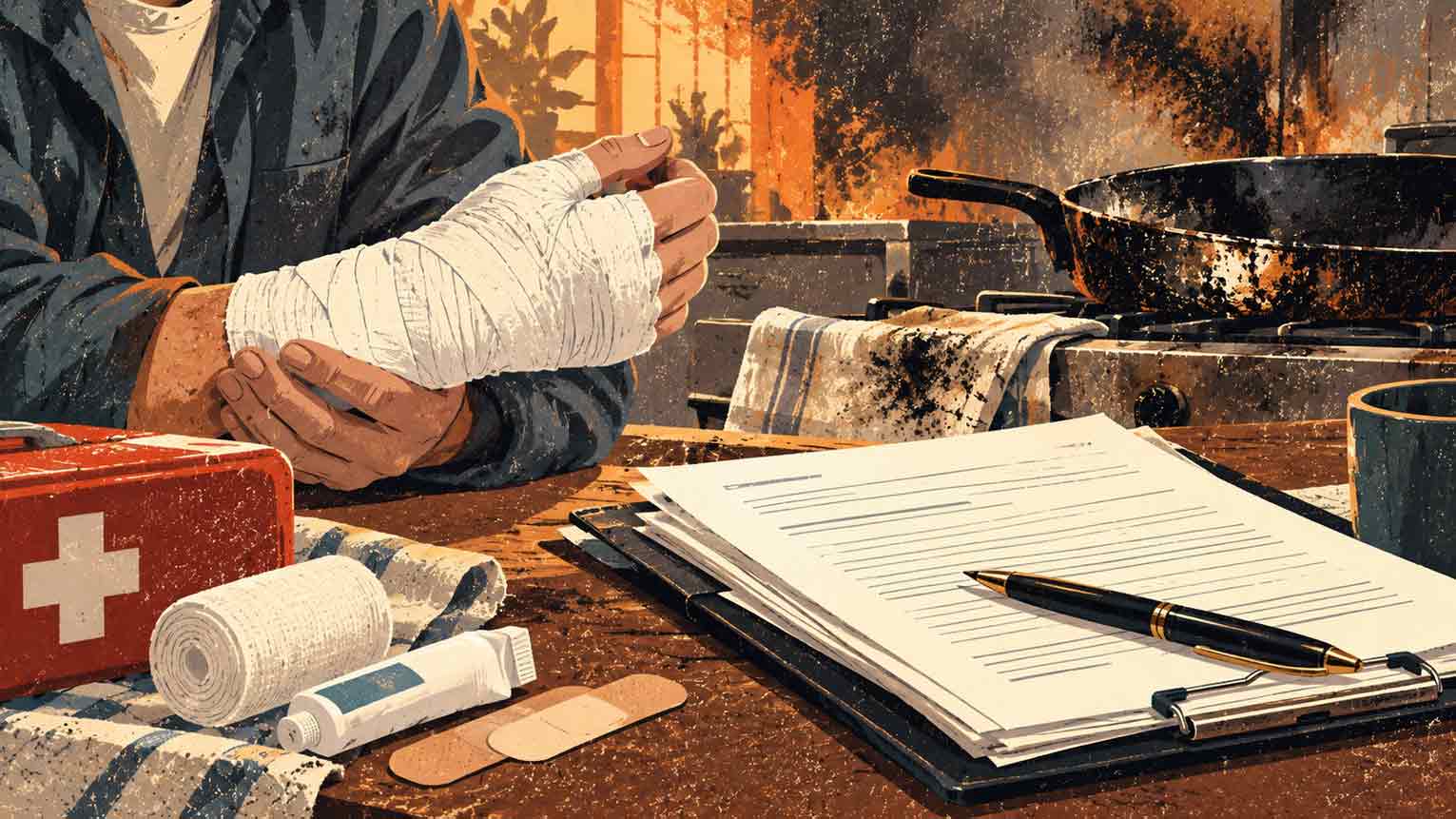
A burn injury claim is a legal demand for compensation filed by someone who suffered burns due to another party’s negligence, recklessness or defective product. Burn injuries can be physically devastating and emotionally traumatic, often requiring extensive medical treatment and long-term rehabilitation. When those injuries are preventable, the injured person may have the right to pursue financial recovery.
Burn injuries frequently occur in workplace accidents, car crashes, apartment fires, defective product incidents and chemical exposure cases. In this guide, we’ll explain what qualifies as a burn injury claim, who may be liable, what compensation may be available and how these cases are handled.
What Qualifies as a Burn Injury Claim?
A burn injury claim arises when a person sustains burn-related harm because someone else failed to act with reasonable care. Like other personal injury claims, it is based on proving negligence or product liability.
Common causes of burn injury claims include:
House or apartment fires caused by faulty wiring
Car accidents involving vehicle fires
Workplace explosions or chemical spills
Defective appliances or batteries
Scalding injuries from unsafe water temperatures
Electrical malfunctions
To establish a valid burn injury claim, the injured party must typically prove:
The defendant owed a duty of care
The duty was breached
The breach caused the burn injury
The injury resulted in damages
For example, landlords have a duty to maintain safe living conditions. If a property owner ignores fire hazards and a tenant is burned, liability may arise.
Burn injuries can range from minor to catastrophic, and the severity often influences the strength and value of the claim.
What Types of Burn Injuries Are Involved?
Burn injuries are categorized by severity, commonly described as degrees.
First-Degree Burns
Affect the outer layer of skin
Cause redness and mild pain
Usually heal without permanent damage
Second-Degree Burns
Third-Degree Burns
Destroy all layers of skin
May damage nerves, muscles or bones
Often require surgery and skin grafts
Severe burns can lead to:
The seriousness of burn injuries often results in high medical costs and long-term treatment needs, making compensation critical.
Medical documentation is essential to demonstrate the extent of the injury and its long-term impact.
Who Can Be Held Liable for a Burn Injury?
Liability in burn injury claims depends on the cause of the incident. Several parties may be responsible.
Potentially liable parties include:
For example:
If faulty wiring caused an apartment fire, the property owner may be liable.
If a defective lithium battery explodes, the manufacturer could face product liability claims.
If a chemical spill occurs due to improper safety procedures, an employer may be responsible.
Determining liability may require:
In some cases, multiple parties may share responsibility under comparative fault laws.
Thorough investigation is often necessary to uncover the root cause of the burn injury.
What Compensation Is Available in a Burn Injury Claim?
Burn injuries frequently result in substantial damages due to their severity and long-term consequences.
Compensation may include:
Economic Damages
Non-Economic Damages
In cases involving extreme negligence or reckless conduct, punitive damages may also be available.
Burn injury claims often require expert testimony to estimate:
Future medical needs
Long-term disability
Reduced earning capacity
Because severe burns may require lifelong care, settlements and verdicts can be significant.
Insurance coverage limits, however, may affect total recovery.
How Does the Burn Injury Claim Process Work?
The process begins with seeking immediate medical attention. Proper treatment not only protects health but also creates documentation linking the injury to the incident.
The typical steps include:
Reporting the incident
Preserving evidence
Investigating liability
Filing an insurance claim
Negotiating a settlement
Filing a lawsuit if necessary
Evidence in burn injury claims may include:
If settlement negotiations fail, filing a lawsuit may be necessary to secure fair compensation.
Strict statutes of limitations apply, and deadlines vary by state.
Because burn injuries often involve complex liability issues, early legal consultation is important.
Conclusion
A burn injury claim is a legal action seeking compensation for injuries caused by another party’s negligence or defective product. From apartment fires to workplace explosions, these incidents can result in life-altering harm.
Burn injuries frequently require extensive treatment, ongoing medical care and emotional support. Compensation may cover medical costs, lost income, pain and suffering and long-term disability.
If you or a loved one has suffered a burn injury due to unsafe conditions or negligent conduct, consulting an experienced personal injury attorney can help you understand your rights and pursue the compensation necessary for recovery.