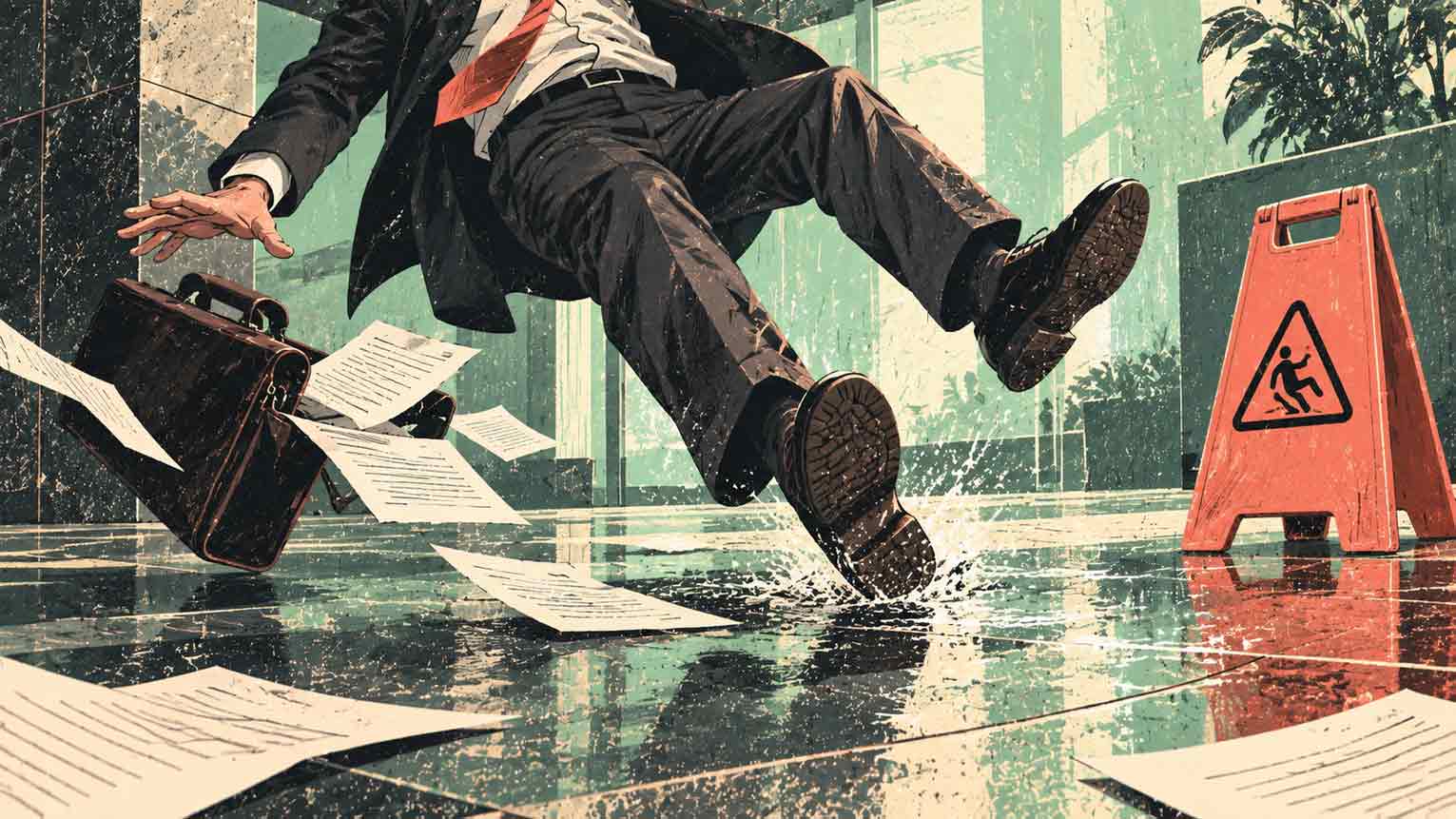
A slip and fall accident is a type of personal injury case that occurs when someone is injured after slipping, tripping, or falling due to a hazardous condition on another person’s property. These accidents are commonly caused by wet floors, uneven surfaces, poor lighting, or debris left in walkways. When a property owner fails to maintain safe premises, they may be held legally responsible for resulting injuries.
Slip and fall accidents can happen almost anywhere — grocery stores, apartment complexes, restaurants, parking lots, or private homes. In this guide, we’ll explain what qualifies as a slip and fall accident, who may be liable, what injuries are common, and how compensation works.
What Causes a Slip and Fall Accident?
Slip and fall accidents are typically caused by unsafe property conditions that create unreasonable risks. Property owners and occupiers have a legal duty to keep their premises reasonably safe for visitors.
Common causes include:
Wet or slippery floors
Spilled liquids in stores
Uneven sidewalks or flooring
Loose rugs or torn carpeting
Poor lighting in stairwells
Ice or snow accumulation
Broken handrails
Cluttered walkways
To establish a valid slip and fall claim, the injured person must generally prove:
A dangerous condition existed
The property owner knew or should have known about it
The owner failed to fix or warn about it
The hazard caused the injury
These cases fall under an area of law known as premises liability.
Not every fall results in a valid claim. The key issue is whether the property owner acted reasonably under the circumstances.
Who Can Be Held Liable for a Slip and Fall Accident?
Liability depends on who controlled the property at the time of the accident.
Potentially liable parties may include:
For example:
A grocery store may be liable for failing to clean up a spill.
A landlord may be responsible for broken stairs in a common area.
A city may be liable for a dangerous sidewalk, depending on local laws.
Courts often examine:
How long the hazard existed
Whether routine inspections were conducted
Whether warning signs were posted
Whether the injured person was lawfully on the property
In some states, the injured person’s status — invitee, licensee, or trespasser — can affect the duty of care owed.
Comparative negligence rules may reduce compensation if the injured person shares partial responsibility.
What Injuries Are Common in Slip and Fall Accidents?
Slip and fall accidents can result in a wide range of injuries, from minor bruises to severe trauma.
Common injuries include:
Broken bones
Wrist fractures
Hip fractures
Sprained ankles
Knee injuries
Spinal cord injuries
Traumatic brain injuries
Concussions
Older adults are particularly vulnerable to serious injuries from falls, especially hip fractures and head injuries.
Even seemingly minor falls can result in chronic pain or long-term complications.
Medical documentation is critical in establishing the severity and impact of injuries.
Prompt medical treatment not only protects your health but also strengthens your legal claim.
What Compensation Is Available in a Slip and Fall Case?
Compensation in a slip and fall accident claim is intended to cover both financial and personal losses.
Damages may include:
Economic Damages
Medical expenses
Hospital bills
Physical therapy
Lost wages
Reduced earning capacity
Non-Economic Damages
If the property owner’s conduct was particularly reckless — such as knowingly ignoring a serious hazard — punitive damages may be available in rare cases.
The value of a slip and fall claim depends on:
Severity of injuries
Strength of liability evidence
Available insurance coverage
State laws governing damages
Insurance companies often dispute slip and fall claims, arguing that the injured person was not paying attention or that the hazard was obvious.
Strong evidence can significantly impact settlement outcomes.
What Should You Do After a Slip and Fall Accident?
Taking immediate action after a slip and fall accident can protect both your health and your legal rights.
Important steps include:
Seek medical attention immediately
Report the accident to the property owner or manager
Take photographs of the hazard and surroundings
Gather witness contact information
Preserve clothing and footwear worn at the time
Avoid giving recorded statements without legal advice
Evidence is crucial in slip and fall cases because hazardous conditions are often repaired quickly after an accident.
Additionally, strict statutes of limitations apply. Missing the filing deadline can prevent recovery.
Consulting with a personal injury attorney early can help ensure that evidence is preserved and deadlines are met.
Conclusion
A slip and fall accident is a premises liability case involving injuries caused by hazardous property conditions. Property owners have a duty to maintain reasonably safe environments and warn visitors of known dangers.
When that duty is breached and someone is injured, the victim may have the right to pursue compensation for medical expenses, lost wages, and pain and suffering.
Because liability can be heavily contested in slip and fall cases, documenting the scene and seeking legal guidance is essential. If you’ve been injured in a fall due to unsafe conditions, an experienced personal injury attorney can help you evaluate your claim and protect your rights.