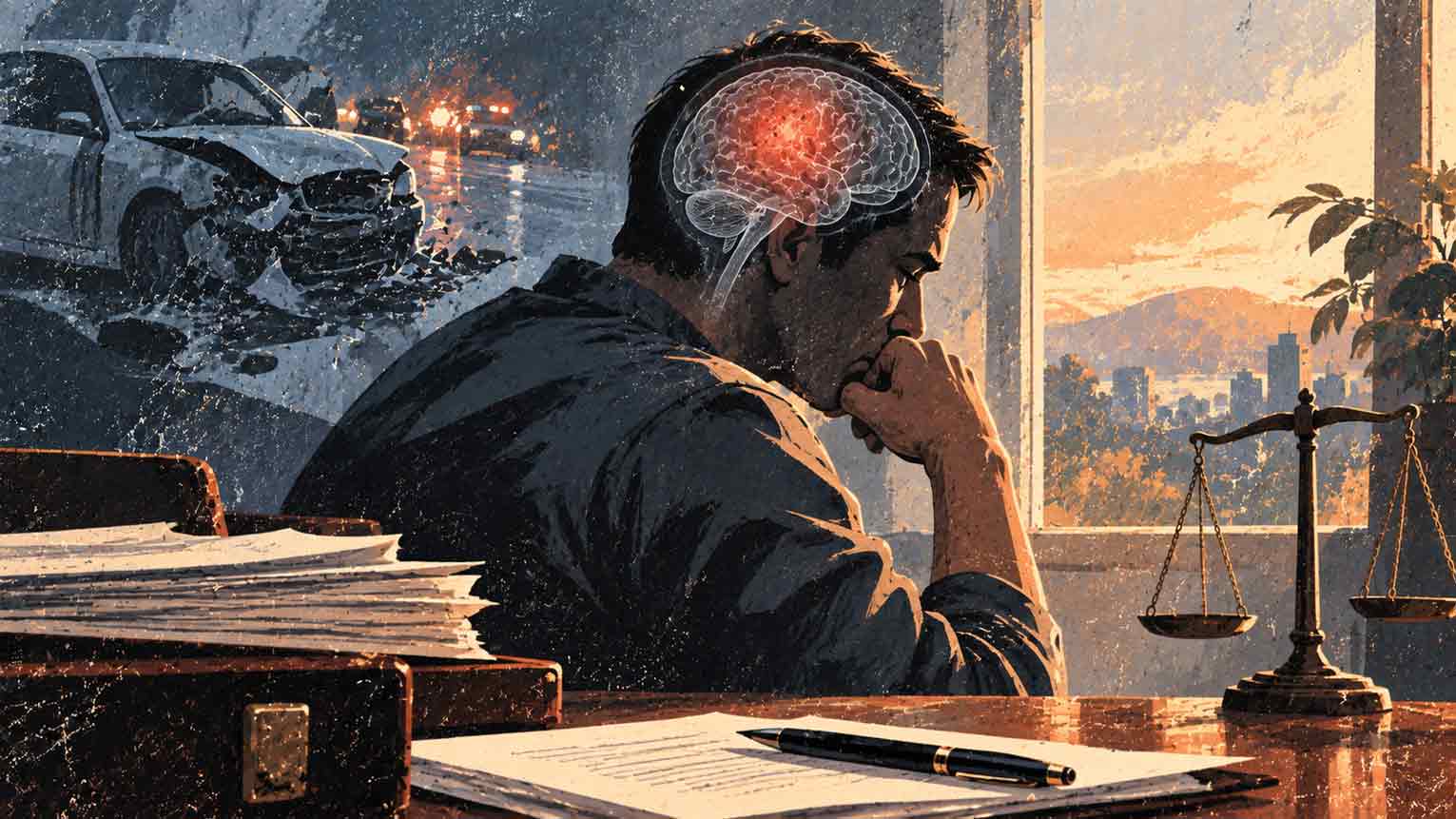
A traumatic brain injury — often called a TBI — is a disruption of normal brain function caused by a blow, jolt or penetrating injury to the head. In personal injury cases, TBIs are among the most serious and complex injuries because they can affect memory, personality, motor skills and overall quality of life. Even a seemingly “mild” brain injury can have lasting consequences.
If you or a loved one suffered a head injury in a car accident, fall, workplace incident or violent event, understanding what a traumatic brain injury is — and how it is diagnosed and treated — is essential. Below, we’ll explain the types of TBIs, symptoms, long-term effects and how these injuries impact personal injury claims.
What Causes a Traumatic Brain Injury?
A traumatic brain injury occurs when an external force damages the brain. This can happen in a variety of ways, depending on the type and severity of the incident.
Common causes of TBI include:
There are two main types of TBI:
Closed head injuries — The skull remains intact, but the brain is shaken or jolted inside the skull.
Penetrating injuries — An object pierces the skull and directly damages brain tissue.
TBIs range in severity from mild concussions to severe, life-threatening brain trauma.
Key facts about causes:
Sudden acceleration or deceleration can injure the brain
Direct impact is not always required
Even minor accidents can result in TBI
Symptoms may not appear immediately
Because the brain controls nearly every function in the body, any trauma to it can have widespread consequences.
What Are the Symptoms of a Traumatic Brain Injury?
Symptoms of a traumatic brain injury vary depending on severity. Some appear immediately, while others may develop over hours or days.
Mild TBI (Concussion) Symptoms
Moderate to Severe TBI Symptoms
Cognitive and emotional symptoms may include:
Difficulty concentrating
Mood swings
Depression or anxiety
Irritability
Sleep disturbances
It is important to seek medical evaluation immediately after any head injury. Delaying treatment can worsen outcomes and complicate a personal injury claim.
Early documentation also plays a crucial role in establishing the connection between the accident and the injury.
How Is a Traumatic Brain Injury Diagnosed?
Diagnosing a TBI requires medical evaluation, imaging studies and neurological testing. Doctors assess symptoms, review the accident history and may order diagnostic tests.
Common diagnostic tools include:
In mild TBI cases, imaging may appear normal even though symptoms are present. This can make diagnosis more challenging.
Medical professionals evaluate:
Because some symptoms are subjective — such as headaches or concentration problems — insurance companies sometimes dispute TBI claims. Thorough medical documentation and follow-up care are essential.
In serious cases, rehabilitation may involve:
Treatment plans depend on the severity and long-term impact of the injury.
What Are the Long-Term Effects of a TBI?
The long-term consequences of a traumatic brain injury can be life-altering. While some individuals recover fully, others experience permanent impairment.
Potential long-term effects include:
Severe TBIs may result in:
Children and older adults may face unique risks. In children, brain injuries can affect development. In older adults, TBIs may accelerate cognitive decline.
Because the brain is so complex, even small injuries can disrupt daily functioning.
From a legal perspective, long-term impacts significantly influence compensation. Future medical expenses, lost earning potential and diminished quality of life are often major components of TBI claims.
How Does a Traumatic Brain Injury Affect a Personal Injury Case?
Traumatic brain injuries are often high-value personal injury claims due to their severity and lasting consequences. However, they can also be difficult to prove.
To succeed in a TBI claim, a plaintiff typically must establish:
The defendant’s negligence caused the accident
The accident directly caused the brain injury
The injury resulted in measurable damages
Evidence may include:
Medical records
Expert testimony
Neuropsychological evaluations
Accident reconstruction reports
Employment and income documentation
Insurance companies frequently challenge TBI claims by arguing:
Because of these challenges, strong medical evidence and consistent treatment are essential.
Compensation in TBI cases may include:
Given the potential complexity and value of these claims, legal representation is often critical.
Conclusion
A traumatic brain injury is a serious condition caused by a blow or jolt to the head that disrupts normal brain function. TBIs range from mild concussions to severe, life-changing trauma. Symptoms may appear immediately or develop over time, and long-term effects can impact every aspect of daily life.
In personal injury law, TBIs require careful medical documentation and expert analysis to establish liability and damages. Because the consequences can be permanent, these cases often involve substantial compensation claims.
If you or a loved one has suffered a head injury due to someone else’s negligence, seeking immediate medical care and consulting with an experienced personal injury attorney can help protect both your health and your legal rights.