The Trial Lawyer's Journal

TLJ Small Logo
Close
Group 39053677
Share Your Story with Trial Lawyer’s Journal
Trial Lawyer’s Journal is built on the voices of trial lawyers like you. Share your journey, insights, and experiences through articles, interviews, and our podcast, Celebrating Justice.
Stay Updated
Sign up for our newsletter to get the latest from TLJ.


    What Is Bodily Injury Liability?

    What Is Bodily Injury Liability?

    Bodily injury liability is a type of auto insurance coverage that pays for medical expenses, lost wages, and legal fees if the policyholder is found responsible for causing injuries to others in an accident. It is a required coverage in most states and helps protect drivers from financial loss.

    What does bodily injury liability cover?

    Bodily injury liability covers various costs associated with injuries sustained by others in an accident where the policyholder is at fault.

    • Medical expenses – Pays for hospital bills, surgeries, rehabilitation and other medical costs.
    • Lost wages – Compensates injured parties for income lost due to their injuries.
    • Legal fees – Covers attorney costs and settlements if the policyholder is sued.
    • Pain and suffering – May include compensation for emotional distress and long-term suffering.

    How does bodily injury liability work?

    When an accident occurs, the at-fault driver‘s bodily injury liability insurance compensates the injured party up to the policy’s coverage limits. Each policy typically has two limits: per person and per accident.

    • Per-person limit – The maximum amount paid for a single injured individual.
    • Per-accident limit – The total amount covered for all injuries in one accident.
    • Excess costs – If damages exceed policy limits, the at-fault driver may be personally liable.
    • Mandatory in most states – Minimum coverage requirements vary by state.

    What are the benefits of bodily injury liability coverage?

    Bodily injury liability coverage provides financial protection and ensures injured victims receive necessary compensation after an accident.

    • Prevents out-of-pocket expenses – Protects drivers from paying for damages themselves.
    • Legal protection – Covers defense costs in case of lawsuits.
    • Required by law – Helps drivers comply with state insurance regulations.
    • Ensures victim compensation – Provides injured parties with financial support for recovery.

    Conclusion

    Bodily injury liability insurance is essential for covering medical expenses, lost wages and legal fees if a driver is found responsible for an accident. Understanding coverage limits and legal requirements can help drivers stay protected and compliant.

    What is bodily injury liability?

    Bodily injury liability is a type of auto insurance coverage that pays for medical expenses, lost wages and legal fees when a policyholder is at fault for an accident that injures others. This coverage is mandatory in most states and helps protect drivers from significant financial loss in personal injury claims.

    No, bodily injury liability and personal injury protection (PIP) serve different purposes. Bodily injury liability covers injuries to others when the policyholder is at fault, while PIP covers the policyholder’s own medical expenses and lost wages, regardless of fault. PIP is required in no-fault states, whereas bodily injury liability is required in at-fault states.

    If the total damages from an accident exceed the at-fault driver’s policy limits, the driver may be held personally responsible for the remaining costs. This can lead to:

    • Out-of-pocket payments for medical bills and legal settlements.
    • Wage garnishment or asset seizure in severe cases.

    The need for umbrella insurance, which provides extra liability coverage.

    The minimum required coverage varies by state, but many experts recommend higher limits to protect against lawsuits. A common policy format is 100/300, meaning:

    • $100,000 per person for bodily injury claims.

    $300,000 per accident for total injuries.
    Higher coverage ensures better financial protection in case of severe accidents.

    Featured Articles

    Meet our Contributors

    Steven R. Young

    Trial Lawyer

    Law Offices of Steven R. Young

    Brewster Rawls

    Founder

    The Rawls Law Group

    Michael Abdan

    Partner

    CloudLex

    Chad Sands

    VP, Marketing & Editor

    CloudLex, Trial Lawyer's Journal

    Michael Harris

    Partner

    Jordan Law

    Daniel Kaufman

    Artist

    Daniel Kaufman Artist

    Hunter J. Shkolnik

    Partner

    Napoli Shkolnik

    Stacy Brown Randall

    Author and Referral Coach

    Stacy Brown Randall

    Discover Next

    Insights from PI Experts

    Learn from experts in personal injury about key cases, the business of law, and more insights that shape the future of trial law.

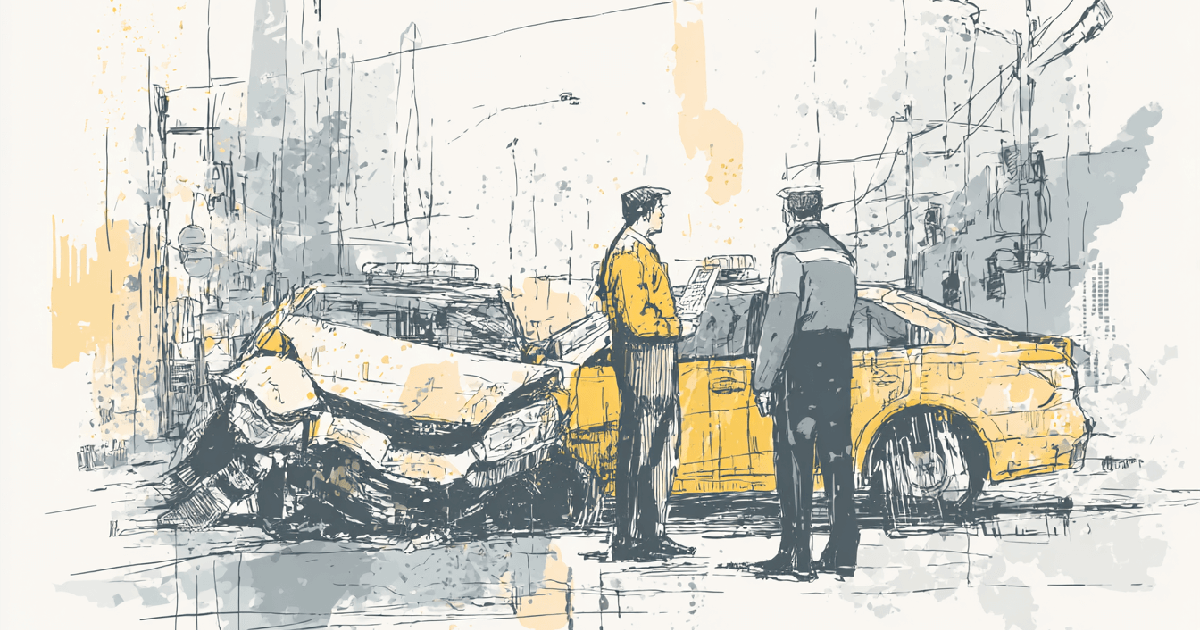
    What Are Back and Neck Injuries?

    What Are Back and Neck Injuries?

    Back and neck injuries refer to damage affecting the spine, muscles, ligaments or nerves in these regions, often resulting from accidents, falls or physical trauma. These injuries can cause chronic pain, mobility issues and long-term disability.

    What are common causes of back and neck injuries?

    Back and neck injuries are frequently caused by sudden impacts, repetitive strain or degenerative conditions. They are common in personal injury cases involving negligence, car accidents, workplace incidents, and slip-and-fall accidents.

    • Car accidents – Whiplash and spinal injuries occur due to sudden force.
    • Slip and falls – Hard falls can cause herniated discs or fractures.
    • Workplace injuries – Heavy lifting and repetitive strain can lead to chronic pain.
    • Sports injuries – High-impact sports can result in muscle strains and vertebral damage.

    What are the types of back and neck injuries?

    Back and neck injuries range in severity, from mild strains to severe spinal cord damage. Some of the most common include:

    • Whiplash – Soft tissue damage caused by rapid neck movement, often in car accidents.
    • Herniated disc – A spinal disc rupture that presses on nerves, causing pain and suffering and numbness.
    • Fractured vertebrae – Broken bones in the spine, which may require surgery.
    • Spinal cord injuries – Severe trauma that can lead to paralysis or long-term disability.

    How are back and neck injuries treated?

    Treatment varies depending on the severity of the injury and may include medical intervention, physical therapy or surgery.

    • Rest and medication – Pain relievers and anti-inflammatory drugs can reduce discomfort.
    • Physical therapy – Strengthens muscles and improves mobility.
    • Chiropractic care – Non-invasive spinal adjustments for pain relief.
    • Surgery – Required in severe cases, such as spinal cord injuries or fractures.

    Conclusion

    Back and neck injuries can have serious consequences, impacting mobility, daily life and earning potential. Seeking prompt medical attention and legal guidance can help victims recover physically and financially.

    What are back and neck injuries?

    Back and neck injuries refer to damage affecting the spine, muscles, ligaments or nerves in these regions, often caused by accidents, falls or repetitive strain. These injuries can range from mild muscle strains to severe spinal cord damage, leading to chronic pain, limited mobility and long-term disability.

    Yes, untreated back and neck injuries can worsen over time. Conditions like herniated discs, whiplash and spinal misalignment may lead to chronic pain, nerve damage or mobility issues if not properly managed. Seeking early medical treatment can help prevent long-term complications.

    Not always. While fractures and severe spinal injuries are visible on X-rays or MRIs, conditions like whiplash, soft tissue injuries and nerve damage may not appear on standard imaging. Doctors may rely on physical exams, patient symptoms, and additional tests like CT scans or nerve conduction studies for diagnosis.

    Yes, if your back or neck injury was caused by someone else’s negligence, you may be entitled to compensation. Common cases include car accidents, workplace injuries, and slip-and-fall incidents. A personal injury claim can help recover costs for medical bills, lost wages, and pain and suffering.

    Featured Articles

    Meet our Contributors

    Steven R. Young

    Trial Lawyer

    Law Offices of Steven R. Young

    Brewster Rawls

    Founder

    The Rawls Law Group

    Michael Abdan

    Partner

    CloudLex

    Chad Sands

    VP, Marketing & Editor

    CloudLex, Trial Lawyer's Journal

    Michael Harris

    Partner

    Jordan Law

    Daniel Kaufman

    Artist

    Daniel Kaufman Artist

    Hunter J. Shkolnik

    Partner

    Napoli Shkolnik

    Stacy Brown Randall

    Author and Referral Coach

    Stacy Brown Randall

    Discover Next

    Insights from PI Experts

    Learn from experts in personal injury about key cases, the business of law, and more insights that shape the future of trial law.
    What Is an At-Fault Driver?

    What Is an At-Fault Driver?

    An at-fault driver is a motorist who is legally responsible for causing an accident due to negligence, reckless behavior or violation of traffic laws. Being deemed at fault can impact insurance claims, liability and legal consequences.

    How is fault determined in an accident?

    Fault in an accident is determined through evidence, police reports, witness statements and insurance investigations. Each state follows either an at-fault or no-fault insurance system, affecting how claims are handled.

    • Police reports and traffic citations can indicate fault.
    • Insurance companies analyze accident details to assign liability.
    • Comparative and contributory negligence laws vary by state.
    • Dashcam footage and witness testimony can influence fault determination.

    What happens if you are the at-fault driver?

    Being the at-fault driver can have financial and legal consequences, depending on the severity of the accident and state laws.

    • Insurance premiums may increase – At-fault drivers often see rate hikes.
    • Liability for damages – Responsible for covering victim’s damages and medical expenses.
    • Legal consequences – Severe cases may lead to lawsuits or criminal charges.
    • Impact on future claims – Multiple at-fault accidents can affect coverage eligibility.

    Can an at-fault driver recover compensation?

    Depending on the state’s negligence laws, an at-fault driver may still recover partial compensation in an accident claim.

    • Pure comparative negligence states – At-fault drivers can recover reduced damages based on their percentage of fault.
    • Modified comparative negligence states – Recovery is barred if fault exceeds a certain percentage (usually 50-51%).
    • Contributory negligence states – Any fault prevents compensation recovery.
    • Insurance coverage options – Collision coverage may help cover damages to the at-fault driver’s vehicle.

    Conclusion

    An at-fault driver is responsible for causing an accident and may face financial, insurance and legal consequences. Understanding how fault is determined and how it impacts claims can help drivers navigate accident liability.

    What is an at-fault driver?

    An at-fault driver is a motorist who is legally responsible for causing an accident due to negligence, reckless behavior or violation of traffic laws. Being deemed at fault affects insurance claims, liability and potential legal consequences. Depending on the state’s laws, the at-fault driver may be required to compensate victims for damages and medical expenses.

    Insurance companies determine fault by reviewing police reports, witness statements, vehicle damage and traffic laws. Adjusters analyze accident details, consider dashcam footage or surveillance videos and apply state-specific negligence laws. Some states follow a no-fault system, where each driver’s insurer covers their own damages, while others assign fault to determine liability.

    Yes, an at-fault driver can dispute liability if they believe the fault assessment was incorrect. This can be done by:

    • Providing new evidence, such as photos, videos or additional witness statements.
    • Requesting a review if the insurance company misinterpreted facts.

    Hiring an attorney to challenge the decision in court if necessary.
    Disputing fault is especially important in comparative negligence states, where reducing fault percentage can impact compensation.

    Yes, at-fault accidents typically result in higher insurance premiums, with rate increases lasting 3–5 years depending on the insurer and severity of the accident. Some insurance companies offer accident forgiveness for first-time offenders, but repeated at-fault accidents can lead to policy cancellations or non-renewals.

    Featured Articles

    Meet our Contributors

    Steven R. Young

    Trial Lawyer

    Law Offices of Steven R. Young

    Brewster Rawls

    Founder

    The Rawls Law Group

    Michael Abdan

    Partner

    CloudLex

    Chad Sands

    VP, Marketing & Editor

    CloudLex, Trial Lawyer's Journal

    Michael Harris

    Partner

    Jordan Law

    Daniel Kaufman

    Artist

    Daniel Kaufman Artist

    Hunter J. Shkolnik

    Partner

    Napoli Shkolnik

    Stacy Brown Randall

    Author and Referral Coach

    Stacy Brown Randall

    Discover Next

    Insights from PI Experts

    Learn from experts in personal injury about key cases, the business of law, and more insights that shape the future of trial law.
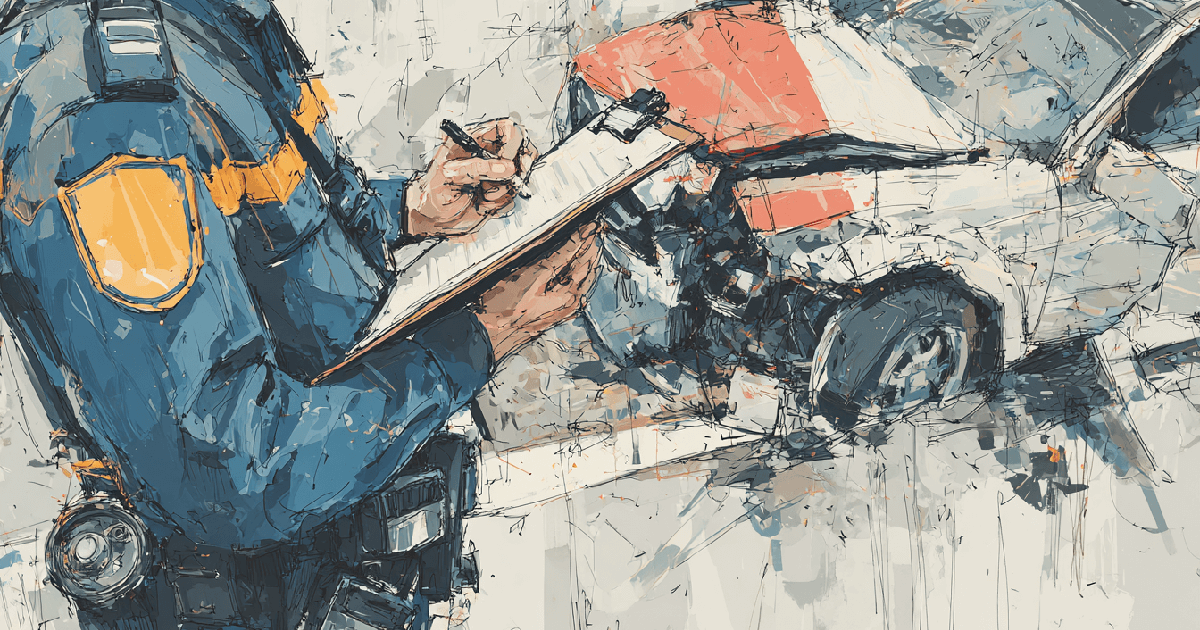
    What Is Arbitration?

    What Is Arbitration?

    Arbitration is a method of dispute resolution where a neutral third party, known as an arbitrator, reviews evidence and makes a binding or non-binding decision. It is commonly used in personal injury claims, insurance disputes and contract disagreements as an alternative to litigation.

    How does arbitration work?

    Arbitration involves both parties presenting their case to an arbitrator or panel of arbitrators. The arbitrator evaluates the evidence, listens to arguments and issues a decision that may be legally binding.

    • Often required by contracts or insurance policies as an alternative to court.
    • Can be binding (final decision) or non-binding (advisory opinion).
    • Typically faster and less expensive than traditional lawsuits.
    • Arbitrators are often legal experts or industry professionals.

    What are the benefits of arbitration?

    Arbitration offers several advantages over traditional litigation, making it a preferred method for resolving disputes efficiently.

    • Speed – Arbitration is usually faster than going to court.
    • Cost-effective – Less expensive than prolonged litigation.
    • Confidentiality – Proceedings are private, unlike court cases.
    • Expert decision-making – Arbitrators with relevant expertise handle complex cases.

    How does arbitration impact personal injury claims?

    Arbitration plays a significant role in resolving personal injury claims, especially when disputes arise over liability or settlement amounts.

    • Used in insurance disputes – Many policies require arbitration for claim disagreements.
    • Can resolve medical malpractice cases – Some healthcare providers mandate arbitration.
    • Provides quicker resolutions – Injured parties may receive compensation faster than through litigation.
    • May limit legal options – Binding arbitration prevents further lawsuits.

    Conclusion

    Arbitration is an alternative dispute resolution method that can expedite settlements and reduce legal costs. Understanding how it works and when it applies to personal injury cases can help claimants navigate their legal options effectively.

    What is arbitration?

    Arbitration is a dispute resolution process where a neutral third party, called an arbitrator, reviews evidence and issues a decision. It is commonly used in personal injury cases, insurance disputes and contract disagreements as an alternative to litigation. Arbitration can be binding (final decision) or non-binding (advisory) and is often faster and more cost-effective than court trials.

    Arbitration can be more efficient than litigation, offering a faster, less expensive and confidential process. However, it has drawbacks—binding arbitration limits the right to appeal, and arbitrators may favor repeat clients like insurance companies. The best option depends on the nature of the dispute and contract terms.

    In binding arbitration, the decision is final and cannot be appealed except in rare cases of fraud or misconduct. In non-binding arbitration, parties can reject the decision and pursue a lawsuit. It’s important to review arbitration clauses in contracts before agreeing to terms.

    Yes, arbitration typically requires both parties to agree, either through a contract clause or mutual consent after a dispute arises. Some contracts—such as employment agreements, insurance policies and consumer contracts—include mandatory arbitration clauses, limiting the option to go to court.

    Featured Articles

    Meet our Contributors

    Steven R. Young

    Trial Lawyer

    Law Offices of Steven R. Young

    Brewster Rawls

    Founder

    The Rawls Law Group

    Michael Abdan

    Partner

    CloudLex

    Chad Sands

    VP, Marketing & Editor

    CloudLex, Trial Lawyer's Journal

    Michael Harris

    Partner

    Jordan Law

    Daniel Kaufman

    Artist

    Daniel Kaufman Artist

    Hunter J. Shkolnik

    Partner

    Napoli Shkolnik

    Stacy Brown Randall

    Author and Referral Coach

    Stacy Brown Randall

    Discover Next

    Insights from PI Experts

    Learn from experts in personal injury about key cases, the business of law, and more insights that shape the future of trial law.

    What Is an Accident Report?

    What Is an Accident Report?

    An accident report is an official document detailing the facts and circumstances of an incident involving injuries, property damage or hazardous conditions. These reports are typically filed by law enforcement, employers, or property owners and serve as crucial evidence in personal injury claims.

    Why is an accident report important?

    An accident report provides an objective record of what happened, which can be critical in legal and insurance matters. It helps establish liability, supports injury claims and ensures proper documentation of the incident.

    • Provides a factual account of the incident, including date, time, location and involved parties.
    • Serves as key evidence in personal injury claims and insurance disputes.
    • Helps prevent disputes by recording witness statements and official observations.
    • Required in many cases, such as workplace accidents or motor vehicle collisions.

    How do you obtain an accident report?

    Accident reports are usually available from the entity that documented the incident, such as law enforcement agencies, employers or property managers. The process for obtaining a copy depends on the jurisdiction and type of report.

    • Car accident reports – Typically available through the police department or DMV.
    • Workplace accident reports – Employers maintain records; employees can request copies.
    • Premises liability reports – Businesses or property owners document incidents; victims may request a copy.
    • Public record requests – Some reports may require a formal request or fee.

    What information is included in an accident report?

    An accident report typically includes essential details that help determine the cause and consequences of the incident. Common elements include:

    1. Date, time, and location – Basic facts about when and where the accident occurred.
    2. Involved parties – Names, contact information and roles of those involved.
    3. Witness statements – Testimonies from bystanders who observed the event.
    4. Description of events – A narrative of how the accident happened, often with diagrams or photos.
    5. Injuries and damages – Documentation of physical harm and property damage.
    • Accident reports provide comprehensive details to support injury claims.
    • They help establish liability by outlining events and involved parties.
    • Witness statements add credibility and clarity to the report.
    • Proper documentation can prevent delays in insurance and legal proceedings.

    How do accident reports impact personal injury claims?

    Accident reports play a significant role in personal injury claims by providing documented proof of the incident. Insurance adjusters and attorneys rely on these reports to assess liability and compensation.

    • Supports claims – Strengthens a victim’s case with objective evidence.
    • Determines fault – Helps establish responsibility for the accident.
    • Affects insurance payouts – Insurers use reports to evaluate claims and settlements.
    • Can be used in court – If a case goes to trial, accident reports serve as key evidence.

    Conclusion

    An accident report is a crucial document that records the details of an incident and helps determine liability in legal and insurance matters. Knowing how to obtain and use an accident report can significantly impact personal injury claims and compensation outcomes.

    What is an accident report?

    An accident report is an official document that records the details of an incident involving injuries, property damage or hazardous conditions. It is typically prepared by law enforcement, employers, or property owners and includes crucial information such as the date, time, location, involved parties, witness statements and a description of the events. These reports serve as key evidence in personal injury claims and insurance disputes, helping to establish liability and prevent disputes.

    Yes, in some cases, you can file an accident report after leaving the scene, but timing is critical. For car accidents, many jurisdictions require reports to be filed within 24 to 72 hours if law enforcement was not present at the scene. For workplace accidents, employees should notify their employer as soon as possible to comply with reporting requirements. Delays in filing may impact insurance claims and legal proceedings, so it’s best to report incidents promptly.

    The retention period for accident reports depends on the jurisdiction and type of report:

    • Car accident reports: Typically kept by law enforcement agencies for 3 to 10 years, depending on state laws.
    • Workplace accident reports: Employers are often required to maintain records for at least 5 years under OSHA regulations.

    Premises liability reports: Businesses and property owners may keep records for several years, though policies vary.
    To obtain an old accident report, you may need to request records from the relevant agency or employer.

    No, an accident report does not automatically determine liability in a personal injury case. While it provides important evidence, insurance companies and courts may consider additional factors such as witness testimony, medical records and expert analysis. If a report contains errors or conflicting statements, they may be challenged in legal proceedings. Having an attorney review the report can help strengthen your claim and ensure an accurate representation of the incident.

    Featured Articles

    Meet our Contributors

    Steven R. Young

    Trial Lawyer

    Law Offices of Steven R. Young

    Brewster Rawls

    Founder

    The Rawls Law Group

    Michael Abdan

    Partner

    CloudLex

    Chad Sands

    VP, Marketing & Editor

    CloudLex, Trial Lawyer's Journal

    Michael Harris

    Partner

    Jordan Law

    Daniel Kaufman

    Artist

    Daniel Kaufman Artist

    Hunter J. Shkolnik

    Partner

    Napoli Shkolnik

    Stacy Brown Randall

    Author and Referral Coach

    Stacy Brown Randall

    Discover Next

    Insights from PI Experts

    Learn from experts in personal injury about key cases, the business of law, and more insights that shape the future of trial law.

    What Is Assumption of Risk?

    What is Assumption of Risk?

    What Is Assumption of Risk?

    What is Assumption of Risk?

    Assumption of risk is a legal doctrine that may limit or prevent a plaintiff from recovering damages in a personal injury lawsuit if they knowingly and voluntarily engaged in a risky activity. This principle is often used as a defense by defendants to argue that the injured party accepted the potential danger associated with an activity and, therefore, the defendant should not be held liable for the resulting harm.

    How does assumption of risk apply in personal injury cases?

    Assumption of risk applies when a plaintiff knowingly exposes themselves to a hazardous situation and gets injured as a result. Courts typically assess whether the injured person understood the risks involved and voluntarily chose to proceed despite those risks.

    There are two main types of assumption of risk:

    • Express Assumption of Risk: When a person explicitly agrees, often in writing (e.g., signing a waiver), to accept the dangers of an activity.

    • Implied Assumption of Risk: When a person’s behavior indicates they understood and accepted the risks, even without a formal agreement.

    Key takeaways:

    • Assumption of risk can be a strong defense in personal injury cases.

    • The doctrine applies when a person knowingly and voluntarily participates in a risky activity.

    • There are both express and implied forms of assumption of risk.

    • Not all waivers are enforceable, and courts may still hold defendants liable under certain circumstances.

    Can you still sue if you assumed the risk?

    Even if assumption of risk applies, it does not always bar a lawsuit. Courts will analyze factors such as whether the risk was unreasonably dangerous or if the defendant acted with gross negligence or intentional misconduct.

    Situations where a lawsuit may still proceed:

    • The defendant’s negligence was extreme or reckless.

    • The plaintiff was not fully informed of the risks.

    • The waiver or agreement was unclear or legally unenforceable.

    • The injury occurred in a setting where public policy limits the use of assumption of risk (e.g., workplace safety violations).

    Key takeaways:

    • Assumption of risk is not an absolute defense.

    • Plaintiffs may still sue if the defendant acted recklessly.

    • Legal waivers must be properly drafted and legally valid.

    • Courts consider whether the plaintiff was adequately informed of the risks.

    What are examples of assumption of risk in personal injury law?

    Several common scenarios illustrate how assumption of risk may apply in personal injury cases:

    • Sports Injuries: Athletes assume the risk of typical sports-related injuries but not necessarily those caused by reckless behavior or unsafe conditions.

    • Amusement Park Rides: Visitors accept normal ride-related risks but can sue for injuries caused by faulty equipment or operator negligence.

    • Dangerous Activities: Skydiving, bungee jumping and skiing typically involve express waivers, but lawsuits may arise if the business fails to follow safety protocols.

    • Medical Treatments: Patients who consent to elective procedures assume some risks, but doctors can still be held liable for malpractice.

    Key takeaways:

    • Sports participants generally assume certain injury risks.

    • Amusement park waivers do not cover negligence-related injuries.

    • Businesses must still follow proper safety measures.

    • Medical consent does not excuse malpractice or negligence.

    How does assumption of risk differ from contributory negligence?

    Assumption of risk and contributory negligence are both legal defenses, but they apply differently.

    • Assumption of Risk: Focuses on the plaintiff’s acceptance of known dangers.

    • Contributory Negligence: Examines whether the plaintiff’s own careless actions contributed to their injury.

    Some states follow comparative negligence rules, meaning that a plaintiff’s damages may be reduced based on their degree of fault.

    Key takeaways:

    • Assumption of risk deals with knowingly accepting danger.

    • Contributory negligence considers the plaintiff’s careless actions.

    • Some states allow partial recovery under comparative negligence.

    • Courts assess the specifics of each case when applying these doctrines.

    Conclusion

    Assumption of risk is a key defense in personal injury cases, often used to argue that an injured party knowingly accepted the dangers of an activity. However, this defense is not absolute, and plaintiffs may still recover damages in cases involving gross negligence, lack of informed consent or unenforceable waivers. Understanding this doctrine can help injury victims assess their legal options and determine whether they have a valid claim.

    What is assumption of risk?

    Assumption of risk is a legal doctrine that may limit a plaintiff’s ability to recover damages if they knowingly and voluntarily engaged in a risky activity.

    Yes, plaintiffs can still sue if the defendant acted with gross negligence, failed to inform them of the risks, or if the waiver was legally unenforceable.

    Common examples include sports injuries, amusement park accidents, high-risk activities like skydiving and medical procedures with informed consent.

    Assumption of risk involves knowingly accepting dangers, while contributory negligence focuses on the plaintiff’s careless actions contributing to their injury.

    Featured Articles

    Meet our Contributors

    Steven R. Young

    Trial Lawyer

    Law Offices of Steven R. Young

    Brewster Rawls

    Founder

    The Rawls Law Group

    Michael Abdan

    Partner

    CloudLex

    Chad Sands

    VP, Marketing & Editor

    CloudLex, Trial Lawyer's Journal

    Michael Harris

    Partner

    Jordan Law

    Daniel Kaufman

    Artist

    Daniel Kaufman Artist

    Hunter J. Shkolnik

    Partner

    Napoli Shkolnik

    Stacy Brown Randall

    Author and Referral Coach

    Stacy Brown Randall

    Discover Next

    Insights from PI Experts

    Learn from experts in personal injury about key cases, the business of law, and more insights that shape the future of trial law.

    What Is Strict Liability?

    What is Strict Liability?

    What Is Strict Liability?

    What is Strict Liability?

    Strict liability is a legal doctrine that holds an individual or entity responsible for damages or injuries caused by their actions or products, regardless of intent or negligence. This standard is commonly applied in cases involving defective products, inherently dangerous activities or injuries caused by certain animals. The core principle of strict liability is accountability without fault, meaning that liability exists even if the responsible party did not act negligently or with malicious intent.

    When does strict liability apply?

    Strict liability applies in specific legal contexts where the law deems certain activities or responsibilities as inherently risky or requiring heightened accountability. Key areas where strict liability is commonly applied include:

        • Product Liability: Manufacturers, distributors, or sellers can be held strictly liable for injuries caused by defective or dangerous products.

        • Abnormally Dangerous Activities: Activities such as using explosives, handling hazardous chemicals or operating large construction machinery often fall under strict liability due to their inherent risks.

        • Animal-Related Injuries: Owners of certain animals, particularly wild or dangerous animals, can be strictly liable for injuries caused by their animals.

      Key Takeaways:

          • Strict liability does not require proof of negligence or intent.

          • It often applies to defective products, dangerous activities or animal-related injuries.

          • Victims need to show a direct connection between the activity or product and the injury.

          • Defenses to strict liability may include misuse of a product or assumption of risk by the injured party.

        How does strict liability differ from negligence?

        Strict liability and negligence are two distinct legal theories used to assign responsibility for injuries or damages. Understanding their differences is essential for navigating personal injury claims.


            • Strict Liability: Focuses solely on the activity or product’s dangerous nature, without considering the responsible party’s conduct.

            • Negligence: Requires proof that the responsible party failed to exercise reasonable care, resulting in injury or damage.

          For example, if a defective toaster causes a house fire, strict liability holds the manufacturer responsible, regardless of their production practices. In contrast, a negligence claim would require proof that the manufacturer’s lack of reasonable care caused the defect.


              • Strict liability does not consider fault or intent, while negligence hinges on proving fault.

              • Strict liability cases often involve inherently risky activities or products.

              • Both theories aim to ensure injured parties receive compensation but differ in legal standards of proof.

            Examples of strict liability cases

            To better understand strict liability, here are some real-world examples where this legal doctrine applies:

                • Defective Products: A child’s toy with a choking hazard causes injury. The manufacturer can be held strictly liable even if they followed all standard safety protocols.

                • Hazardous Activities: A company’s use of explosives for demolition results in property damage to nearby homes. The company faces strict liability due to the risks involved.

                • Animal Attacks: The owner of a tiger in a private zoo is strictly liable for injuries if the tiger escapes and harms someone.

              Key Takeaways:

                  • Strict liability cases often involve unexpected risks that lead to harm.

                  • Victims do not need to prove the responsible party acted negligently.

                  • Companies and individuals involved in risky activities must take precautions, as liability may arise regardless of intent.

                Why is strict liability important in personal injury law?

                Strict liability is crucial in personal injury law because it provides a pathway for injured parties to receive compensation without proving negligence. This doctrine ensures that:


                    • Accountability: Entities involved in dangerous activities or product manufacturing are incentivized to prioritize safety.

                    • Fair Compensation: Victims can recover damages without facing the challenge of proving fault.

                    • Consumer Protection: Strict liability encourages higher standards in product safety and business practices.

                  Strict liability simplifies legal processes for plaintiffs, particularly in complex cases involving defective products or hazardous activities.

                  Key Takeaways:

                      • Strict liability supports consumer rights and public safety.

                      • It simplifies personal injury claims by eliminating the need to prove negligence.

                      • This doctrine holds businesses and individuals accountable for their actions and products.

                    Conclusion

                    Strict liability is a fundamental legal principle that ensures accountability for injuries or damages caused by inherently dangerous activities or products. By removing the requirement to prove negligence, strict liability provides injured parties with a straightforward path to seek compensation. Whether you’re dealing with a defective product or an injury caused by a dangerous activity, understanding strict liability can help you navigate your legal options effectively.

                    What is strict liability?

                    Strict liability is a legal doctrine that holds an individual or entity responsible for damages or injuries caused by their actions or products, regardless of intent or negligence.

                    Strict liability applies in cases involving defective products, abnormally dangerous activities and certain animal-related injuries.”

                    Strict liability focuses on the inherent risks of an activity or product, while negligence requires proving that the responsible party failed to exercise reasonable care.

                    Featured Articles

                    Meet our Contributors

                    Steven R. Young

                    Trial Lawyer

                    Law Offices of Steven R. Young

                    Brewster Rawls

                    Founder

                    The Rawls Law Group

                    Michael Abdan

                    Partner

                    CloudLex

                    Chad Sands

                    VP, Marketing & Editor

                    CloudLex, Trial Lawyer's Journal

                    Michael Harris

                    Partner

                    Jordan Law

                    Daniel Kaufman

                    Artist

                    Daniel Kaufman Artist

                    Hunter J. Shkolnik

                    Partner

                    Napoli Shkolnik

                    Stacy Brown Randall

                    Author and Referral Coach

                    Stacy Brown Randall

                    Discover Next

                    Insights from PI Experts

                    Learn from experts in personal injury about key cases, the business of law, and more insights that shape the future of trial law.