The Trial Lawyer's Journal

TLJ Small Logo
Close
Group 39053677
Share Your Story with Trial Lawyer’s Journal
Trial Lawyer’s Journal is built on the voices of trial lawyers like you. Share your journey, insights, and experiences through articles, interviews, and our podcast, Celebrating Justice.
Stay Updated
Sign up for our newsletter to get the latest from TLJ.


    What Are Evidentiary Standards?

    What Are Evidentiary Standards?

    In a personal injury lawsuit, the outcome often hinges on evidence—what’s allowed, how much is needed and how it’s judged. That’s where evidentiary standards come in. These are the legal rules that determine how convincing the evidence must be for a judge or jury to rule in your favor.

    If you’re a plaintiff trying to prove your injuries and losses, knowing the evidentiary standards that apply to your case can help you understand what kind of proof you need and how your attorney will build your argument.

    What are evidentiary standards in a personal injury case?

    Evidentiary standards, also called standards of proof, refer to the level of certainty the plaintiff must reach to win the case. In personal injury claims, the most common standard is “preponderance of the evidence.” This means it’s more likely than not—just over 50%—that what you’re claiming is true.

    This standard is much lower than in criminal cases, which require proof “beyond a reasonable doubt.” Still, you must present solid, admissible evidence to meet this civil threshold.

    • “Preponderance of the evidence” means more likely true than not—think 51% certainty.

    • You must meet this standard on every key element of your case, including negligence and damages.

    • Failure to meet the standard means you lose, even if the jury thinks you “probably” were harmed.

    • It applies to both plaintiffs and defendants—if a defense like comparative fault is raised, they must also meet the standard.

    What types of evidence are judged under this standard?

    In a personal injury claim, various types of evidence are weighed against this standard. This includes everything from medical records and accident reports to expert testimony and eyewitness accounts. But not all evidence is equal—some carry more weight, and some may be excluded entirely under the rules of evidence.

    Your attorney’s job is to ensure the evidence presented is relevant, admissible and persuasive enough to meet the required level of proof.

    • Physical evidence, like photos of the crash scene or damaged vehicles, can support causation.

    • Medical records and bills document injuries and treatment.

    • Witness testimony adds personal context but must be credible and consistent.

    • Expert witnesses may explain complex topics like future medical costs or biomechanics.

    Are there different evidentiary standards in civil cases?

    Yes. While “preponderance of the evidence” is the default in most personal injury lawsuits, some issues within a case may require a higher standard: “clear and convincing evidence.” This applies in more limited civil scenarios, like when seeking punitive damages or proving fraud.

    Knowing which standard applies matters, because higher standards demand stronger, more reliable evidence.

    • “Clear and convincing” means highly probable or reasonably certain, a step above 51%.

    • Punitive damages often require this higher standard, because they go beyond compensation.

    • Some states apply different standards for specific tort claims—like gross negligence or emotional distress.

    • Judges will instruct the jury on which standard to use for each claim.

    How do evidentiary standards affect settlement negotiations?

    Even outside the courtroom, evidentiary standards impact how a case is valued and negotiated. Insurance companies and defense attorneys assess the strength of your evidence using these standards. If your evidence barely meets the bar—or falls short—it could lower the settlement offer.

    On the flip side, strong evidence that clearly meets or exceeds the legal standard often leads to better outcomes during negotiations or mediation.

    • Stronger evidence leads to stronger bargaining power, increasing settlement potential.

    • If your case is weak under the standard, defendants may refuse to settle or offer very little.

    • Both sides assess risk using these standards, especially before trial.

    • Documentation and expert reports can help you cross the evidentiary threshold early, improving leverage.

    Conclusion

    Evidentiary standards shape every stage of a personal injury case—from how evidence is admitted to whether your claim survives trial. While “preponderance of the evidence” is the most common standard, certain claims may demand even more proof. Understanding these standards helps you know what’s expected and how to work with your attorney to build a winning case.

    What is evidentiary standards?

    Evidentiary standards are the legal thresholds that determine how much and what kind of proof is needed to win a case. In personal injury claims, the standard is usually “preponderance of the evidence,” meaning it’s more likely than not that your version of events is true.

    “Preponderance” requires just over 50% certainty, while “clear and convincing” demands a higher level of proof—closer to 70–80%. The latter is used in cases involving fraud, punitive damages or serious misconduct.

    Yes. If the plaintiff doesn’t present enough evidence to meet the required standard, the case can be dismissed through summary judgment or at trial, even if some evidence is present.


    No. The standard remains the same throughout the case—whether at motion hearings, trial or appeal. However, how the standard is applied may depend on what issue is being decided.

    Featured Articles

    Meet our Contributors

    Steven R. Young

    Trial Lawyer

    Law Offices of Steven R. Young

    Brewster Rawls

    Founder

    The Rawls Law Group

    Michael Abdan

    Partner

    CloudLex

    Chad Sands

    VP, Marketing & Editor

    CloudLex, Trial Lawyer's Journal

    Michael Harris

    Partner

    Jordan Law

    Daniel Kaufman

    Artist

    Daniel Kaufman Artist

    Hunter J. Shkolnik

    Partner

    Napoli Shkolnik

    Stacy Brown Randall

    Author and Referral Coach

    Stacy Brown Randall

    Discover Next

    Insights from PI Experts

    Learn from experts in personal injury about key cases, the business of law, and more insights that shape the future of trial law.


    What Is Future Damages Calculation?

    What Is Future Damages Calculation?

    When you file a personal injury claim, you’re not just seeking compensation for past losses—you’re also asking to be made whole for what your injuries will cost you in the future. That’s where future damages calculation comes in. This process estimates the monetary value of the harm you haven’t yet experienced, such as ongoing medical bills, lost earning capacity or long-term pain.

    For injured plaintiffs, understanding how future damages are calculated can make the difference between a settlement that covers just today’s costs—and one that secures your financial stability for years to come.

    How are future damages calculated in a personal injury case?

    Future damages are calculated using expert analysis and evidence that projects how your injuries will impact your life moving forward. These damages include medical expenses, lost wages, diminished earning ability, and even non-economic losses like pain and suffering.

    The goal is to estimate, in today’s dollars, how much money will fairly compensate you for future harm. Courts and insurance companies rely heavily on testimony from doctors, vocational experts and economists to arrive at a fair figure.

    • Medical experts project the type and cost of future treatment—surgeries, therapy, medications.

    • Economists calculate inflation-adjusted dollar values, especially for long-term expenses.

    • Vocational experts assess whether you can return to work, and at what capacity.

    • Life expectancy tables help estimate how long the damages will continue.

    What types of future damages are typically awarded?

    There are several categories of future damages in personal injury cases, both economic and non-economic. Each one requires its own set of evidence and expert input to be proven in court.

    These damages are especially critical in serious injury cases involving permanent disability, disfigurement or long-term medical needs.

    • Future medical expenses, such as rehab, assistive devices or follow-up surgeries.

    • Loss of future earnings, if your ability to work or earn at the same level is reduced.

    • Loss of earning capacity, which considers long-term job prospects and career trajectory.

    • Future pain and suffering, covering ongoing physical discomfort or emotional distress.

    How do experts help calculate future damages?

    Experts are vital to future damages calculations. Without them, courts and juries have little to go on when assigning a dollar amount to future losses. The right expert can explain complex medical or economic details in plain terms that help jurors understand the full scope of your injury’s impact.

    Your attorney may retain multiple experts to address different aspects of your damages.

    • Medical experts outline the expected future care and duration of impairment.

    • Economists estimate present value, considering inflation, interest rates and life expectancy.

    • Vocational experts evaluate work restrictions and compare them to marketable job skills.

    • Mental health professionals may testify about future emotional trauma or PTSD symptoms.

    How are future damages presented at trial?

    Future damages are typically presented at trial through a combination of expert testimony and supporting evidence. The plaintiff must prove that the damages are reasonably certain to occur—not just possible. Judges instruct juries to weigh the credibility of the experts and the likelihood that future harm will materialize.

    Unlike past damages, which are clearly documented, future damages often require projection, probability and persuasive presentation.

    • Plaintiffs must show future losses are “reasonably certain”, not speculative.

    • Juries may be given charts or reports to visualize long-term damages.

    • Judges may reduce damages to “present value”, adjusting for future interest.

    • Defense attorneys often cross-examine experts, trying to show the estimates are exaggerated.

    Conclusion

    Future damages calculation is one of the most important—and most technical—parts of a personal injury case. It ensures that your settlement or verdict doesn’t just cover today’s needs but protects your financial future as well. With the help of experienced legal counsel and credible expert testimony, you can make a strong case for the compensation you’ll need to live with your injuries long-term.

    What is future damages calculation?

    Future damages calculation is the process of estimating the monetary value of injuries and losses that will occur after a personal injury lawsuit concludes. It includes future medical care, lost earnings, and long-term pain or disability.

    Yes. If your injuries will prevent you from returning to work or limit your earning potential, you may be entitled to compensation for future lost wages or loss of earning capacity.

    Courts rely on testimony from medical experts who assess your treatment plan, expected recovery timeline and future care needs. These estimates are then translated into present-day dollar amounts.

    Yes, because they’re subjective and harder to quantify. However, with the help of medical and psychological experts, you can provide compelling evidence of ongoing discomfort or emotional trauma.

    Featured Articles

    Meet our Contributors

    Steven R. Young

    Trial Lawyer

    Law Offices of Steven R. Young

    Brewster Rawls

    Founder

    The Rawls Law Group

    Michael Abdan

    Partner

    CloudLex

    Chad Sands

    VP, Marketing & Editor

    CloudLex, Trial Lawyer's Journal

    Michael Harris

    Partner

    Jordan Law

    Daniel Kaufman

    Artist

    Daniel Kaufman Artist

    Hunter J. Shkolnik

    Partner

    Napoli Shkolnik

    Stacy Brown Randall

    Author and Referral Coach

    Stacy Brown Randall

    Discover Next

    Insights from PI Experts

    Learn from experts in personal injury about key cases, the business of law, and more insights that shape the future of trial law.
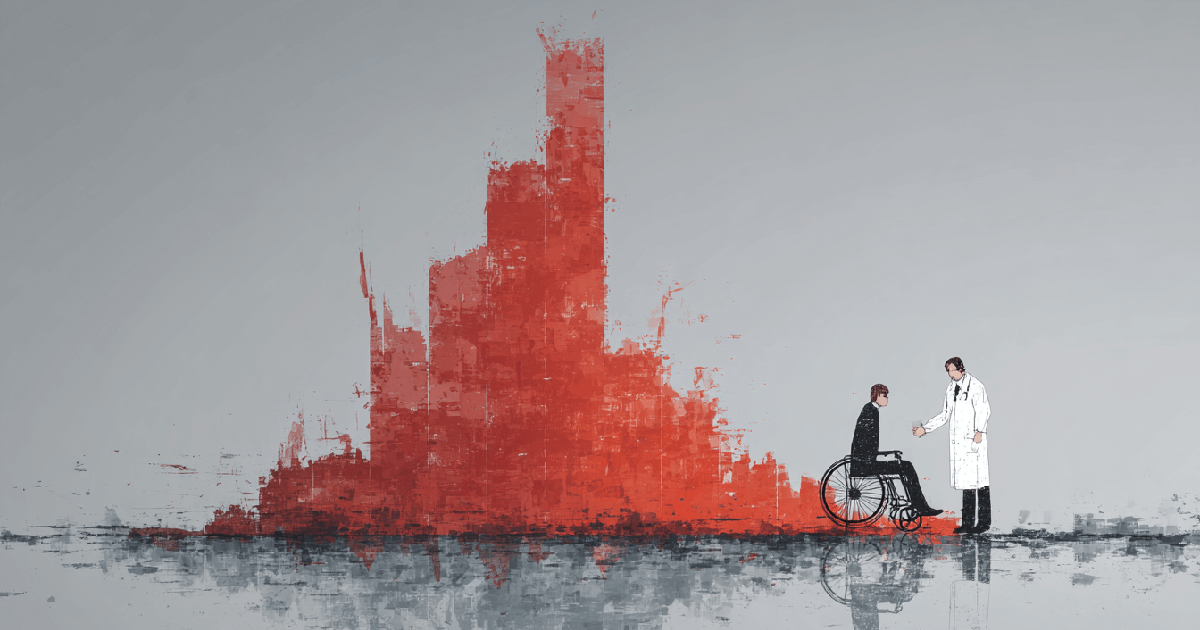
    What Is a Motion in Limine?

    What Is a Motion in Limine?

    If you’re preparing for a personal injury trial—or just trying to understand the legal process—you might come across the term motion in limine. It may sound technical, but it plays a critical role in shaping what the jury hears during your trial.

    A motion in limine is a legal request made before trial begins, asking the judge to exclude certain evidence from being presented to the jury. This can help keep the trial fair, prevent prejudice and keep the focus on the relevant facts of the case.

    What does a motion in limine do in a personal injury case?

    A motion in limine asks the court to make a ruling about evidence before the trial starts. It’s typically used to keep out information that is irrelevant, prejudicial, misleading or otherwise inadmissible under the rules of evidence. Personal injury attorneys use these motions to control the narrative of the trial and protect their clients from unfair or harmful information.

    Unlike objections during trial, motions in limine are made ahead of time, so the judge can consider them without the jury present.

    • It helps prevent unfair or prejudicial evidence from reaching the jury, such as unrelated criminal history or insurance coverage.

    • It sets the ground rules early, so both parties know what can and can’t be mentioned.

    • If granted, the other side is barred from introducing the excluded evidence at trial.

    • Violating a granted motion in limine can lead to a mistrial or sanctions.

    What types of evidence are commonly targeted by motions in limine?

    In personal injury cases, attorneys often use motions in limine to keep out evidence that could unfairly sway the jury, even if it’s not relevant to the facts of the injury itself. The idea is to prevent emotional or misleading information from being used to distract from the legal issues.

    Some common targets include character attacks, prior unrelated injuries or references to settlement discussions.

    • References to the plaintiff’s prior criminal record, especially if unrelated to the injury.

    • Evidence of past lawsuits or claims, which could imply the plaintiff is “sue-happy.”

    • Mentions of insurance coverage, which are generally inadmissible.

    • Hearsay statements, unless they meet a recognized exception.

    Who files motions in limine—and when?

    Either side—the plaintiff or the defendant—can file a motion in limine, usually in the weeks leading up to trial. These motions are part of pretrial preparation and help each side shape the evidentiary boundaries of the trial.

    The court typically hears and rules on them during a pretrial hearing, sometimes as part of a broader motions hearing.

    • Plaintiff’s attorneys may file motions to exclude irrelevant personal information.

    • Defendants may use them to block emotional appeals or unqualified expert opinions.

    • Motions are filed after discovery closes, when both sides know what evidence exists.

    • Judges may rule right away or reserve the decision until the issue comes up at trial.

    How can a motion in limine affect the outcome of a trial?

    While a motion in limine doesn’t decide the case, it can shape the way the case is presented to the jury, and that can have a huge influence. Keeping out damaging or distracting evidence can help the jury focus on the real issues—like liability, causation and damages.

    In some cases, a successful motion in limine can prevent evidence that might have swayed the jury unfairly.

    • It controls what evidence the jury hears, which impacts how they view the case.

    • It can protect a plaintiff from being unfairly portrayed, especially in emotionally charged cases.

    • It may force the opposing side to adjust their trial strategy.

    • A well-timed motion in limine can lead to more favorable settlements, by weakening the other side’s position.

    Conclusion

    A motion in limine is one of the most powerful tools trial attorneys have to protect their clients and ensure a fair trial. It helps define the rules before the game begins—determining what evidence the jury will (and won’t) hear. For personal injury plaintiffs, this can mean the difference between a clean, focused case and one muddied by irrelevant or prejudicial attacks.

    What is a motion in limine?

    A motion in limine is a legal request made before trial asking the judge to exclude specific evidence from being shown to the jury. It’s used to prevent unfair, irrelevant or prejudicial information from influencing the outcome.

    Yes. Judges don’t automatically grant these motions. They review each one based on the rules of evidence and the arguments presented. If the evidence is relevant and not overly prejudicial, the motion may be denied.


    Not exactly. A motion in limine is filed before trial, while an objection is made during trial in real-time. Both challenge evidence, but motions in limine aim to prevent the issue from arising in front of the jury at all.

    If an attorney or witness introduces evidence that was excluded by a motion in limine, the judge can issue a warning, strike the testimony, or even declare a mistrial in extreme cases.

    Featured Articles

    Meet our Contributors

    Steven R. Young

    Trial Lawyer

    Law Offices of Steven R. Young

    Brewster Rawls

    Founder

    The Rawls Law Group

    Michael Abdan

    Partner

    CloudLex

    Chad Sands

    VP, Marketing & Editor

    CloudLex, Trial Lawyer's Journal

    Michael Harris

    Partner

    Jordan Law

    Daniel Kaufman

    Artist

    Daniel Kaufman Artist

    Hunter J. Shkolnik

    Partner

    Napoli Shkolnik

    Stacy Brown Randall

    Author and Referral Coach

    Stacy Brown Randall

    Discover Next

    Insights from PI Experts

    Learn from experts in personal injury about key cases, the business of law, and more insights that shape the future of trial law.

    What Is Maximum Medical Improvement?

    What Is Maximum Medical Improvement?

    If you’ve been injured and are pursuing a personal injury claim, there’s one term you’re likely to hear from doctors, insurance adjusters or your attorney: Maximum Medical Improvement (MMI). It’s a critical milestone in any injury case—and it can directly affect how much compensation you receive.

    MMI doesn’t mean you’re fully healed. It simply means you’ve recovered as much as your doctors expect you ever will, with or without ongoing treatment. Once you reach this point, your long-term prognosis and future needs become clearer, allowing your legal team to properly value your case.

    What does Maximum Medical Improvement mean in a personal injury case?

    Maximum Medical Improvement is the point at which a treating physician determines that your condition has stabilized and is unlikely to improve further with additional medical treatment. This doesn’t mean you’re cured—it means your injury has plateaued, and your doctor can now evaluate any lasting impairments or disabilities.

    In a legal context, MMI often marks the time when it becomes appropriate to calculate the full extent of your damages, especially future care needs or permanent limitations.

    • MMI signals the end of active treatment—you’ve improved as much as expected.

    • Doctors can now assign disability ratings, if applicable.

    • It allows your lawyer to fully assess damages, including future medical costs or loss of earnings capacity.

    • Settling before MMI is risky, since you may underestimate the long-term effects of your injury.

    Why is reaching MMI important before settling a claim?

    Settling before you reach MMI can leave money on the table. You might think you’re on the road to full recovery—only to later discover you need surgery, physical therapy, or will never regain full function. Once you settle, you usually can’t go back and ask for more.

    By waiting until MMI, your personal injury attorney can build a case based on a complete medical picture, not guesswork.

    • Your injuries may worsen or stabilize unexpectedly, affecting long-term value.

    • Once you settle, the case is closed—even if your condition declines.

    • Doctors can provide final treatment summaries, essential for expert reports and testimony.

    • MMI provides clarity on whether you’ll have permanent disability or limitations.

    Who determines when you’ve reached Maximum Medical Improvement?

    Only a qualified treating physician or independent medical examiner (IME) can determine when you’ve reached MMI. They’ll evaluate your progress over time and decide when no further significant improvement is expected.

    In some cases—especially those involving workers’ compensation or serious injury—an insurance company may request a separate MMI assessment by an IME to challenge your treating doctor’s opinion.

    • Your primary doctor or specialist usually declares MMI, based on your treatment history.

    • IME doctors may be used by insurers to offer a second opinion—sometimes more conservative.

    • MMI decisions may be disputed, especially if benefits or compensation depend on it.

    • Medical records and objective diagnostic tests often support the MMI determination.

    What happens after you reach MMI?

    After reaching MMI, your case typically moves toward resolution. Your legal team will use your medical records to calculate both past and future damages, including whether you’ll need ongoing care, are unable to return to your previous job, or have permanent pain or disability.

    MMI can also trigger evaluations for permanent impairment ratings, which are often used in settlement negotiations or trials.

    • Your lawyer will assess your full financial and medical impact, using your MMI status.

    • Settlement negotiations may begin or intensify, now that long-term effects are known.

    • Experts may be hired to quantify future care, lost earnings or life care plans.

    • You may qualify for disability benefits or vocational retraining, depending on your prognosis.

    Conclusion

    Maximum Medical Improvement marks a key turning point in your recovery and your personal injury case. It means your condition has stabilized enough to make informed decisions about compensation. While it can be frustrating to wait, reaching MMI ensures that your claim reflects the true long-term impact of your injuries—not just your symptoms today.

    What is Maximum Medical Improvement?

    Maximum Medical Improvement (MMI) is when a doctor determines that your medical condition has stabilized and is unlikely to improve significantly with additional treatment. It’s a critical point for evaluating long-term damages in a personal injury case.

    Technically yes, but it’s often unwise. Settling before MMI risks undervaluing your claim because future medical needs and impairments may not be fully known yet.

    Not necessarily. MMI just means you’ve healed as much as expected. You might still experience pain, limited mobility or other permanent effects even after reaching this point.

    Typically, your treating physician makes the MMI determination. In some cases, an insurance company may request an independent medical exam (IME) to confirm or dispute that assessment.

    Featured Articles

    Meet our Contributors

    Steven R. Young

    Trial Lawyer

    Law Offices of Steven R. Young

    Brewster Rawls

    Founder

    The Rawls Law Group

    Michael Abdan

    Partner

    CloudLex

    Chad Sands

    VP, Marketing & Editor

    CloudLex, Trial Lawyer's Journal

    Michael Harris

    Partner

    Jordan Law

    Daniel Kaufman

    Artist

    Daniel Kaufman Artist

    Hunter J. Shkolnik

    Partner

    Napoli Shkolnik

    Stacy Brown Randall

    Author and Referral Coach

    Stacy Brown Randall

    Discover Next

    Insights from PI Experts

    Learn from experts in personal injury about key cases, the business of law, and more insights that shape the future of trial law.

    What Is Subrosa Surveillance?

    What Is Subrosa Surveillance?

    Subrosa surveillance refers to covert surveillance conducted by insurance companies, defense attorneys, or private investigators to observe and document a plaintiff’s activities during a personal injury claim. The goal is to gather evidence that may contradict the plaintiff’s alleged injuries or limitations.

    “Subrosa” is Latin for “under the rose,” meaning in secret—and this type of surveillance is often critical in defending against injury claims suspected of exaggeration or fraud.


    Why is subrosa surveillance used in personal injury cases?

    Subrosa surveillance is used to test the credibility of a plaintiff’s injury claims. If an injured person claims they cannot work, walk, lift objects or engage in certain activities, subrosa footage can show whether their real-world behavior matches those claims.

    Insurance companies may order surveillance when they believe:

    • The plaintiff’s injuries are exaggerated.

    • The damages claimed are unusually high.

    • There are inconsistencies in medical records or deposition testimony.

    • Captures daily activities of the plaintiff in public spaces.

    • May reveal discrepancies between claimed and observed behaviors.

    • Used to challenge credibility in negotiations or at trial.

    • Often initiated after medical evaluations or deposition testimony.


    What types of activities are monitored during subrosa surveillance?

    Investigators hired for subrosa surveillance typically monitor and record public activities—things a person does outside their home that are visible to the public. Private spaces, like the inside of a home, are generally off-limits without consent.

    Common activities targeted include:

    • Walking, running or exercising despite claims of immobility.

    • Carrying groceries, lifting heavy objects or doing yard work.

    • Attending social events, sports games or vacations.

    • Performing physical work tasks despite claims of disability.

    • Focuses on inconsistencies between injury claims and real behavior.

    • Video or photo evidence is captured discreetly in public areas.

    • Surveillance can last for days or even weeks.

    • Reports and footage may be used in depositions and court.


    Is subrosa surveillance legal?

    Yes, subrosa surveillance is legal—as long as it is conducted ethically and within legal boundaries. Investigators cannot trespass, harass, enter private property without permission or engage in unlawful recording. Activities observed in public spaces, however, are generally fair game.

    If improperly conducted, illegally obtained surveillance evidence may be excluded from trial.

    • Public activities can be legally recorded.

    • Private property is protected by privacy laws.

    • Illegally obtained evidence may be inadmissible.

    • Ethical surveillance respects legal and constitutional rights.


    How can plaintiffs protect themselves from subrosa surveillance?

    Plaintiffs can protect their claims by being truthful and consistent about their injuries and limitations at all times. Surveillance is not intended to “trap” an honest plaintiff—it targets inconsistencies.

    Best practices include:

    • Accurately describe injuries and limitations in medical reports and testimony.

    • Follow doctors’ restrictions in daily life.

    • Avoid exaggerating symptoms during litigation.

    • Assume that activities in public spaces may be observed.

    Being honest from the start ensures that even if surveillance occurs, it won’t harm the case.

    • Consistency between claims and conduct protects credibility.

    • Medical compliance strengthens injury claims.

    • Exaggeration can backfire if exposed through surveillance.

    • Act as if you are always being watched in public settings.


    Conclusion

    Subrosa surveillance is a common defense tactic in personal injury cases, designed to detect exaggeration or misrepresentation of injuries. By observing plaintiffs in public, insurers and defense attorneys gather evidence that can make or break a case. For injured parties, the best protection is to be truthful, consistent and mindful that activities in public spaces are never truly private during litigation.

    What is subrosa surveillance in a personal injury case?

    Subrosa surveillance is covert observation and recording of a plaintiff’s public activities to verify or challenge their injury claims during a personal injury lawsuit.

    Yes, as long as it’s conducted in public places and investigators do not trespass, harass or violate privacy rights.

    Yes. Legally obtained subrosa surveillance can be introduced as evidence to challenge the plaintiff’s credibility or demonstrate inconsistencies in their claims.

    By being honest about your injuries, following medical advice and acting consistently with your stated limitations at all times—especially in public.

    Featured Articles

    Meet our Contributors

    Steven R. Young

    Trial Lawyer

    Law Offices of Steven R. Young

    Brewster Rawls

    Founder

    The Rawls Law Group

    Michael Abdan

    Partner

    CloudLex

    Chad Sands

    VP, Marketing & Editor

    CloudLex, Trial Lawyer's Journal

    Michael Harris

    Partner

    Jordan Law

    Daniel Kaufman

    Artist

    Daniel Kaufman Artist

    Hunter J. Shkolnik

    Partner

    Napoli Shkolnik

    Stacy Brown Randall

    Author and Referral Coach

    Stacy Brown Randall

    Discover Next

    Insights from PI Experts

    Learn from experts in personal injury about key cases, the business of law, and more insights that shape the future of trial law.

    What Is Doctrine of Res Ipsa Loquitur?

    What Is Doctrine of Res Ipsa Loquitur?

    The Doctrine of Res Ipsa Loquitur—Latin for “the thing speaks for itself”—is a legal principle used in personal injury cases to infer negligence when an accident occurs under circumstances that ordinarily wouldn’t happen without someone being careless. This doctrine allows a plaintiff to prove negligence indirectly, even when there’s no direct evidence of what exactly went wrong.

    It’s often used when the cause of an injury is entirely within the control of the defendant and no other explanation seems reasonable.


    When does res ipsa loquitur apply?

    Res ipsa loquitur applies in situations where:

    1. The event normally wouldn’t happen without negligence.

    2. The instrumentality or condition that caused the injury was under the exclusive control of the defendant.

    3. The plaintiff did not contribute to the harm.

    If all three elements are met, the court may allow the case to proceed under the assumption that the defendant was likely negligent—shifting the burden to the defense to explain what happened.

    • Injury type suggests negligence (e.g., surgical instrument left inside a patient).

    • Defendant had sole control over the cause of harm.

    • Plaintiff had no role in causing the injury.

    • Allows inference of negligence without pinpointing specific conduct.


    How does res ipsa loquitur help in a personal injury case?

    This doctrine helps injured plaintiffs overcome the lack of direct evidence—which can be common when the defendant controls the environment (like a hospital, airline, or construction site). It creates a rebuttable presumption of negligence that the defendant must address.

    It doesn’t guarantee victory, but it allows the case to move forward even if no one saw what went wrong.

    • Keeps the case alive when evidence is limited.

    • Forces the defendant to provide an explanation.

    • Often used in medical malpractice and premises liability cases.

    • Strengthens the plaintiff’s position during settlement negotiations.


    What are real-world examples of res ipsa loquitur?

    Some classic and modern examples of this doctrine include:

    • A patient wakes up from surgery with a sponge left inside their body.

    • An elevator suddenly falls despite regular use.

    • A pedestrian is injured by a falling object from a construction site.

    • A chair in a restaurant collapses without warning.

    In each of these cases, the accident is the kind that typically doesn’t happen unless someone failed to use reasonable care.

    • Injuries occur in situations the defendant controls.

    • No reasonable explanation other than negligence.

    • Used when defendants control the tools, environment or process.

    • Relies on common sense and experience to infer fault.


    What are the limits of res ipsa loquitur?

    While powerful, res ipsa loquitur isn’t a shortcut to winning a case. Courts apply it cautiously, and it’s not available in every case. The doctrine does not apply if:

    • The plaintiff contributed to the injury.

    • The cause of injury could be due to multiple actors not all under the defendant’s control.

    • The incident is equally explainable by non-negligent causes.

    Also, in complex medical cases, expert testimony may still be required to establish that negligence is the most likely cause of the injury.

    • Only applies when negligence is the most likely explanation.

    • Not available when multiple defendants may share control.

    • May require expert support in technical or medical matters.

    • Courts limit its use to clearly appropriate cases.


    Conclusion

    The Doctrine of Res Ipsa Loquitur is a valuable legal tool that allows injured plaintiffs to infer negligence from the nature of the accident itself. When direct evidence is missing but the facts clearly point to carelessness, this doctrine can shift the burden to the defendant to prove they were not at fault. While not applicable in every case, res ipsa loquitur can be critical in securing justice when the cause of injury “speaks for itself.”

    What is the Doctrine of Res Ipsa Loquitur?

    It’s a legal principle that allows a court to infer negligence when an injury occurs under circumstances that ordinarily wouldn’t happen without someone being careless.

    It applies when the defendant had exclusive control over the situation, the plaintiff didn’t contribute to the injury and the incident usually wouldn’t occur without negligence.

    No. It helps establish a presumption of negligence, but the defense can still present evidence to rebut the claim and explain the incident.

    Sometimes. In cases involving complex or technical issues—like medical malpractice—courts may require expert witnesses to confirm that negligence is the most likely cause.

    Featured Articles

    Meet our Contributors

    Steven R. Young

    Trial Lawyer

    Law Offices of Steven R. Young

    Brewster Rawls

    Founder

    The Rawls Law Group

    Michael Abdan

    Partner

    CloudLex

    Chad Sands

    VP, Marketing & Editor

    CloudLex, Trial Lawyer's Journal

    Michael Harris

    Partner

    Jordan Law

    Daniel Kaufman

    Artist

    Daniel Kaufman Artist

    Hunter J. Shkolnik

    Partner

    Napoli Shkolnik

    Stacy Brown Randall

    Author and Referral Coach

    Stacy Brown Randall

    Discover Next

    Insights from PI Experts

    Learn from experts in personal injury about key cases, the business of law, and more insights that shape the future of trial law.
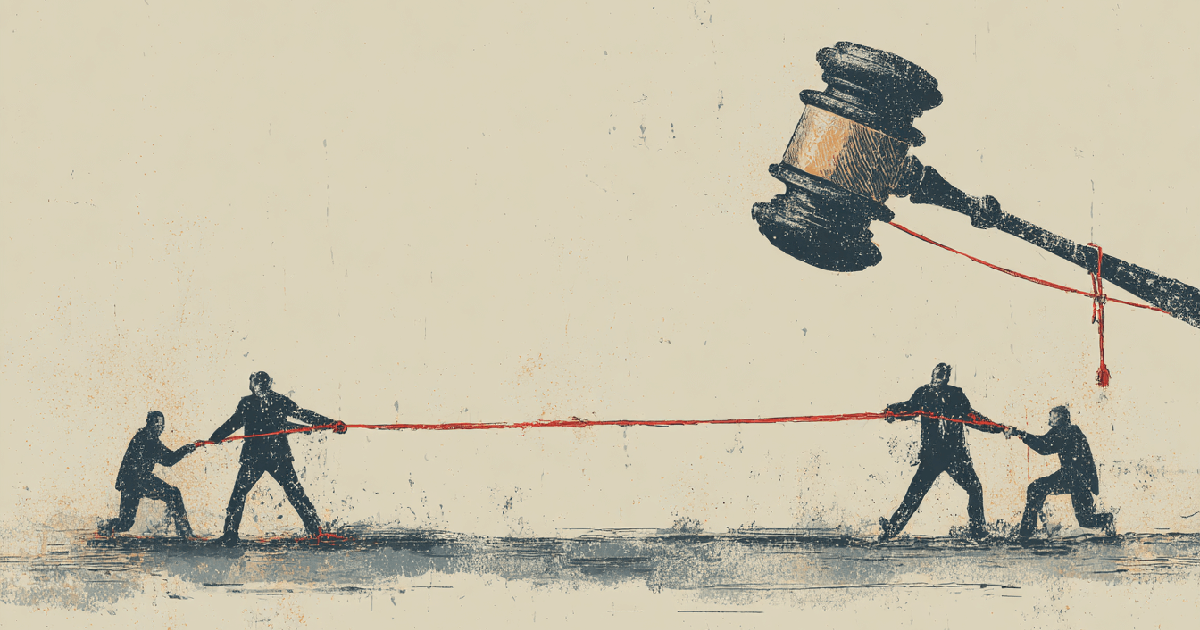
    What Is a Demand Package?

    What Is a Demand Package?

    A Demand Package is a formal collection of documents and evidence submitted by a personal injury attorney to an insurance company or defendant. Its purpose is to present the facts of the case, outline the injuries and damages suffered and demand a specific settlement amount before filing a lawsuit.

    Demand packages are often the first step toward resolution in a personal injury claim and play a key role in whether a case settles quickly or proceeds to litigation.


    What is included in a demand package?

    A complete demand package includes a demand letter supported by detailed documentation of the accident, medical treatment, financial losses and long-term impact on the plaintiff. The goal is to build a compelling case for settlement without court intervention.

    The stronger the evidence and organization, the better the chances of negotiating a favorable outcome.

    • Demand letter: A written narrative of the incident, legal liability, injuries and a specific dollar amount requested.

    • Medical records and bills: Proof of diagnosis, treatment and costs.

    • Proof of lost income: Pay stubs, tax returns or employer letters.

    • Photos, police reports, and witness statements: Evidence of fault and damages.

    • Pain and suffering summary: Explanation of the personal and emotional impact.


    When is a demand package sent?

    A demand package is usually sent after the plaintiff has completed medical treatment or reached maximum medical improvement (MMI). This ensures that all injuries, treatment costs, and future needs are fully understood and included in the claim.

    Sending it too early may lead to an undervaluation of the case; waiting too long can delay settlement.

    • Typically sent after medical recovery or stabilization.

    • Allows for full calculation of past and future damages.

    • Starts formal settlement negotiations with the insurance company.

    • May prevent the need for litigation, saving time and legal costs.


    What happens after a demand package is submitted?

    Once the demand package is received, the insurance company reviews the materials and decides how to respond. They may accept the demand, make a counteroffer, request more information or deny the claim. This starts a negotiation process, which can take weeks or months depending on the case’s complexity.

    If a fair settlement isn’t reached, the plaintiff may proceed to file a lawsuit.

    • Insurer may counter with a lower offer to start negotiations.

    • They may challenge liability or the value of damages.

    • Settlement talks may go back and forth multiple times.

    • If negotiations stall, the next step is litigation.


    Why is a demand package important?

    A demand package serves as the foundation of a personal injury claim, showing that the plaintiff is prepared, the case is well-documented, and the damages are real. A well-prepared demand package can lead to early and favorable settlement, avoiding court altogether.

    Poorly prepared packages, on the other hand, often result in lowball offers or denials.

    • Shows the seriousness and value of the claim.

    • Provides a clear case theory backed by evidence.

    • Helps resolve claims without filing suit.

    • Strengthens negotiating leverage with insurers and defense counsel.


    Conclusion

    A Demand Package is a critical step in the personal injury claims process. It tells the injured party’s story, proves liability and damages and formally requests fair compensation. With strong documentation and persuasive presentation, a demand package can lead to an early settlement—saving time, stress and legal fees for everyone involved.

    What is a demand package in a personal injury case?

    A demand package is a formal submission to an insurance company that includes a demand letter and supporting documents outlining the injury, damages and requested settlement.

    It should include a clear explanation of the incident, the defendant’s liability, medical treatment details, lost wages and a specific dollar amount being requested.

    Yes. Many personal injury cases settle shortly after a well-prepared demand package is submitted, especially if the evidence is strong and liability is clear.

    If the insurer denies or delays unreasonably, the plaintiff may file a lawsuit. In some cases, failure to respond can be used as evidence of bad faith.

    Featured Articles

    Meet our Contributors

    Steven R. Young

    Trial Lawyer

    Law Offices of Steven R. Young

    Brewster Rawls

    Founder

    The Rawls Law Group

    Michael Abdan

    Partner

    CloudLex

    Chad Sands

    VP, Marketing & Editor

    CloudLex, Trial Lawyer's Journal

    Michael Harris

    Partner

    Jordan Law

    Daniel Kaufman

    Artist

    Daniel Kaufman Artist

    Hunter J. Shkolnik

    Partner

    Napoli Shkolnik

    Stacy Brown Randall

    Author and Referral Coach

    Stacy Brown Randall

    Discover Next

    Insights from PI Experts

    Learn from experts in personal injury about key cases, the business of law, and more insights that shape the future of trial law.

    What Is Contested Liability?

    What Is Contested Liability?

    What is Contested Liability?

    Contested liability refers to a situation where the defendant disputes responsibility for causing the plaintiff’s injuries in a personal injury case. Instead of admitting fault, the defendant argues that they were not negligent, that someone else was to blame, or that the plaintiff was partially or entirely at fault.

    When liability is contested, it can significantly impact how the case proceeds—often requiring more investigation, expert testimony and possibly a trial.


    What does it mean when liability is contested?

    When liability is contested, the defendant is saying: “I’m not responsible for what happened.” This may be based on factual disagreements, legal defenses or challenges to the plaintiff’s evidence. Contested liability cases usually involve more litigation effort to prove who was at fault, especially when both parties have conflicting accounts of the incident.

    It’s a common defense strategy used to reduce or avoid paying damages.

    • Defendant denies fault for the accident or injuries.

    • Blame may be shifted to the plaintiff or a third party.

    • Additional evidence and expert analysis are often required.

    • Can delay settlement and lead to trial.


    Why would a defendant contest liability?

    Defendants—and especially their insurance companies—may contest liability to avoid financial responsibility or to reduce the value of a claim. This strategy is often used when fault is unclear, when the plaintiff lacks strong evidence or when the defense believes the plaintiff was partially negligent.

    In states with comparative negligence laws, contesting liability can help reduce the defendant’s payout.

    • Challenge the plaintiff’s version of events.

    • Argue that the plaintiff caused or contributed to their own injury.

    • Claim the accident was unavoidable due to weather, mechanical failure, etc.

    • Use as leverage in settlement negotiations.


    How do you prove liability in a contested case?

    In a contested liability case, the plaintiff must present compelling evidence that shows the defendant was negligent and directly caused the injury. This typically involves collecting police reports, eyewitness statements, photos, videos, medical records and expert opinions. The stronger the evidence, the harder it is for the defense to dispute liability.

    If the case goes to trial, the jury decides who was at fault based on the facts.

    • Accident reports and physical evidence help establish fault.

    • Witness testimony can support or contradict either side’s version.

    • Expert reconstruction may be used for complex accidents.

    • Medical evidence links the incident to the injuries claimed.


    What happens if both parties are partially at fault?

    If both the plaintiff and defendant share responsibility, most states apply comparative negligence rules. The court assigns a percentage of fault to each party, and the plaintiff’s compensation is reduced accordingly. In a few states with contributory negligence, the plaintiff may recover nothing if they were even 1% at fault.

    Understanding your state’s negligence laws is key in contested liability cases.

    • Pure comparative negligence: Plaintiff can recover even if 99% at fault.

    • Modified comparative negligence: Recovery barred if plaintiff is 50% or more at fault.

    • Contributory negligence (rare): Any fault by plaintiff = no recovery.

    • Fault percentages are decided by the jury or judge.


    Conclusion

    Contested liability means the defendant disputes being at fault for the plaintiff’s injuries. These cases often involve complex legal arguments, detailed evidence and sometimes a trial to determine who was truly responsible. Plaintiffs facing contested liability should work closely with a personal injury attorney to build a strong case and protect their right to fair compensation.

    What does contested liability mean?

    Contested liability means the defendant denies responsibility for the plaintiff’s injuries and argues that they were not at fault or that someone else caused the harm.

    Insurance companies often contest liability to avoid or reduce payouts, especially if the facts are unclear or if the plaintiff may share some blame.

    Yes. Many contested liability cases settle after discovery, expert review, or mediation clarifies the strengths and weaknesses of each side’s case.

    In that case, the court may apply comparative negligence rules and reduce the plaintiff’s compensation based on their percentage of fault.

    Featured Articles

    Meet our Contributors

    Steven R. Young

    Trial Lawyer

    Law Offices of Steven R. Young

    Brewster Rawls

    Founder

    The Rawls Law Group

    Michael Abdan

    Partner

    CloudLex

    Chad Sands

    VP, Marketing & Editor

    CloudLex, Trial Lawyer's Journal

    Michael Harris

    Partner

    Jordan Law

    Daniel Kaufman

    Artist

    Daniel Kaufman Artist

    Hunter J. Shkolnik

    Partner

    Napoli Shkolnik

    Stacy Brown Randall

    Author and Referral Coach

    Stacy Brown Randall

    Discover Next

    Insights from PI Experts

    Learn from experts in personal injury about key cases, the business of law, and more insights that shape the future of trial law.

    What Is Civil Liability?

    What Is Civil Liability?

    Civil liability is the legal responsibility a person, business, or entity has for causing harm or loss to another person, typically through negligence, breach of duty or intentional misconduct. If found civilly liable, the defendant may be required to pay monetary damages to compensate the injured party.

    Unlike criminal liability, which involves prosecution by the government and potential jail time, civil liability results in financial or legal obligations owed to the plaintiff.


    What does civil liability mean in a personal injury case?

    In the personal injury context, civil liability means a defendant is legally responsible for injuries or damages caused to the plaintiff. This can include physical harm, emotional distress, lost income and property damage. Most civil liability claims in personal injury arise from negligence, such as car accidents, slip and falls or medical malpractice.

    To hold someone civilly liable, the injured person must prove that the defendant had a legal duty, breached that duty and caused harm as a result.

    • Plaintiff seeks monetary compensation (not criminal penalties).

    • Claims are based on negligence, strict liability or intentional acts.

    • Standard of proof is “preponderance of the evidence.”

    • Liability may be shared among multiple parties (joint liability).


    What are the elements required to prove civil liability?

    To establish civil liability in a personal injury case, the plaintiff must usually prove four key elements:

    1. Duty of Care – The defendant owed the plaintiff a legal duty to act reasonably.

    2. Breach of Duty – The defendant failed to meet that standard of care.

    3. Causation – The breach directly caused the plaintiff’s injury.

    4. Damages – The plaintiff suffered actual harm or loss as a result.

    If all four elements are proven, the defendant can be held liable and may owe compensatory damages.

    • Duty and breach establish fault.

    • Causation links the conduct to the harm.

    • Damages quantify the losses suffered.

    • Failure to prove any element may result in no liability.


    How is civil liability different from criminal liability?

    Civil and criminal liability serve different purposes and operate under different rules:

    • Civil liability focuses on compensating the victim.

    • Criminal liability focuses on punishing the offender and protecting society.

    In some cases, a single act may result in both civil and criminal cases. For example, a drunk driver may face criminal charges from the state and a civil lawsuit from the injured person.

    • Civil = plaintiff v. defendant, criminal = government v. defendant.

    • Civil = financial penalties, criminal = fines, probation or jail.

    • Civil = preponderance of evidence, criminal = beyond a reasonable doubt.

    • Both systems can operate simultaneously.


    What are examples of civil liability in injury law?

    Civil liability applies to a wide range of personal injury scenarios where someone is harmed due to another’s actions or inaction. Common examples include:

    • Car accidents caused by negligent driving.

    • Slip-and-fall incidents on unsafe property.

    • Medical malpractice by healthcare providers.

    • Defective products that injure consumers.

    • Assault or battery, when the injured party sues for damages.

    Each of these cases involves the potential for the defendant to be held civilly liable and required to pay compensation.

    • Negligence is the most common basis for civil liability.

    • Intentional torts, like assault, also create liability.

    • Product liability can apply even without fault (strict liability).

    • Employers may be vicariously liable for employee actions.


    Conclusion

    Civil liability is the foundation of personal injury law. It holds individuals and organizations financially responsible when their actions—or failure to act—cause harm to others. Whether the result of negligence, recklessness or intentional conduct, civil liability provides a legal path for injured parties to seek justice and compensation.

    What is civil liability in a lawsuit?

    Civil liability means a person or entity is legally responsible for causing harm to another and may be required to pay financial compensation in a civil lawsuit.

    Civil liability focuses on compensating the victim, while criminal liability involves punishing the offender. Civil cases are brought by individuals; criminal cases are brought by the government.

    Car accidents, medical malpractice, slip-and-fall injuries, product defects and workplace injuries are all examples of civil liability cases.

    Yes. A defendant can be sued in civil court and prosecuted in criminal court for the same incident—such as a DUI crash that causes injury.

    Featured Articles

    Meet our Contributors

    Steven R. Young

    Trial Lawyer

    Law Offices of Steven R. Young

    Brewster Rawls

    Founder

    The Rawls Law Group

    Michael Abdan

    Partner

    CloudLex

    Chad Sands

    VP, Marketing & Editor

    CloudLex, Trial Lawyer's Journal

    Michael Harris

    Partner

    Jordan Law

    Daniel Kaufman

    Artist

    Daniel Kaufman Artist

    Hunter J. Shkolnik

    Partner

    Napoli Shkolnik

    Stacy Brown Randall

    Author and Referral Coach

    Stacy Brown Randall

    Discover Next

    Insights from PI Experts

    Learn from experts in personal injury about key cases, the business of law, and more insights that shape the future of trial law.

    What Is a Demurrer Judgment?

    What is a Demurrer Judgment

    What Is a Demurrer Judgment?

    What is a Demurrer Judgment

    A Demurrer Judgment is a court ruling issued after a defendant files a demurrer, arguing that the plaintiff’s complaint is legally insufficient—even if all the facts alleged are assumed to be true. If the court agrees and sustains the demurrer without leave to amend, it may result in a judgment dismissing the case entirely at an early stage.

    This type of judgment typically happens before discovery or trial, and is based solely on the legal adequacy of the claims, not the evidence.


    What is a demurrer in civil litigation?

    A demurrer is a legal motion filed by the defendant that challenges the sufficiency of the plaintiff’s complaint. It doesn’t dispute the facts, but rather claims that—even if those facts are true—they don’t amount to a valid legal claim.

    In states like California, the demurrer serves a similar function to a motion to dismiss under Rule 12(b)(6) in federal court.

    • Focuses on the legal validity of the claim, not the facts.

    • Filed early in the case, before discovery begins.

    • Can challenge specific causes of action, not necessarily the whole complaint.

    • May lead to amendment, dismissal or judgment depending on the court’s ruling.


    What happens when a demurrer is sustained?

    If the court sustains the demurrer, it agrees with the defendant that the complaint (or part of it) is legally insufficient. The judge may grant the plaintiff leave to amend—meaning they can revise the complaint to fix the issues. If the judge sustains the demurrer without leave to amend, the claims are dismissed with prejudice, and the case may be over for those claims.

    If no claims survive, the court may enter a demurrer judgment, officially dismissing the lawsuit.

    • Sustained with leave to amend: Plaintiff gets a chance to revise.

    • Sustained without leave to amend: Claims are dismissed permanently.

    • Demurrer judgment ends the case if no viable claims remain.

    • Plaintiff may appeal the judgment in some cases.


    What’s the difference between a demurrer and a motion to dismiss?

    While similar in purpose, demurrers are primarily used in California and a few other states, whereas motions to dismiss under Rule 12(b)(6) are used in federal court and most other state courts. Both argue that the complaint doesn’t state a valid legal claim.

    The terminology differs, but the function is the same: challenging the legal sufficiency of the complaint.

    • Demurrer = state-level motion (especially in California).

    • Motion to dismiss = federal court equivalent.

    • Both test the legal framework of the claims, not the facts or evidence.

    • Successful motions may end the case early or force an amended complaint.


    Can a demurrer judgment be appealed?

    Yes. If the court issues a final judgment of dismissal after sustaining a demurrer without leave to amend, the plaintiff may file an appeal. The appellate court will review whether the trial judge erred in ruling that the complaint failed to state a claim under the law.

    An appeal is often the only path forward if no further amendments are allowed.

    • Appeals challenge the legal basis of the demurrer ruling.

    • Appellate court reviews the complaint de novo (fresh look at legal sufficiency).

    • Timing is critical—strict deadlines apply for filing an appeal.

    • Reversal may allow the case to proceed, if successful.


    Conclusion

    A Demurrer Judgment is a court’s early dismissal of a lawsuit based on the legal insufficiency of the complaint. It doesn’t address whether the plaintiff’s claims are true—only whether they amount to a valid legal cause of action. For both plaintiffs and defendants, demurrers are a crucial procedural tool that can dramatically affect how—and whether—a case moves forward.

    What is a demurrer judgment?

    A demurrer judgment is a court ruling that dismisses a lawsuit because the complaint fails to state a valid legal claim, even if the facts are assumed to be true.

    The claims are dismissed permanently, and the court may enter a final judgment ending the case. The plaintiff may have the option to appeal.

    They serve the same purpose. A demurrer is typically used in California state courts, while a motion to dismiss is used in federal courts and most other state courts.

    Yes. If your case is dismissed following a sustained demurrer without leave to amend, you may appeal the decision to a higher court.

    Featured Articles

    Meet our Contributors

    Steven R. Young

    Trial Lawyer

    Law Offices of Steven R. Young

    Brewster Rawls

    Founder

    The Rawls Law Group

    Michael Abdan

    Partner

    CloudLex

    Chad Sands

    VP, Marketing & Editor

    CloudLex, Trial Lawyer's Journal

    Michael Harris

    Partner

    Jordan Law

    Daniel Kaufman

    Artist

    Daniel Kaufman Artist

    Hunter J. Shkolnik

    Partner

    Napoli Shkolnik

    Stacy Brown Randall

    Author and Referral Coach

    Stacy Brown Randall

    Discover Next

    Insights from PI Experts

    Learn from experts in personal injury about key cases, the business of law, and more insights that shape the future of trial law.