
What Is Third-Party Litigation Funding?
Third-party litigation funding is an arrangement in which an outside funder, unconnected to the lawsuit, advances money to a plaintiff or law firm in exchange


Third-party litigation funding is an arrangement in which an outside funder, unconnected to the lawsuit, advances money to a plaintiff or law firm in exchange

A Rule 30(b)(6) deposition is a deposition of an organization, in which the noticing party lists the topics for examination and the organization must designate

The work product doctrine shields documents and tangible things prepared by or for a party in anticipation of litigation from discovery by the opposing side.
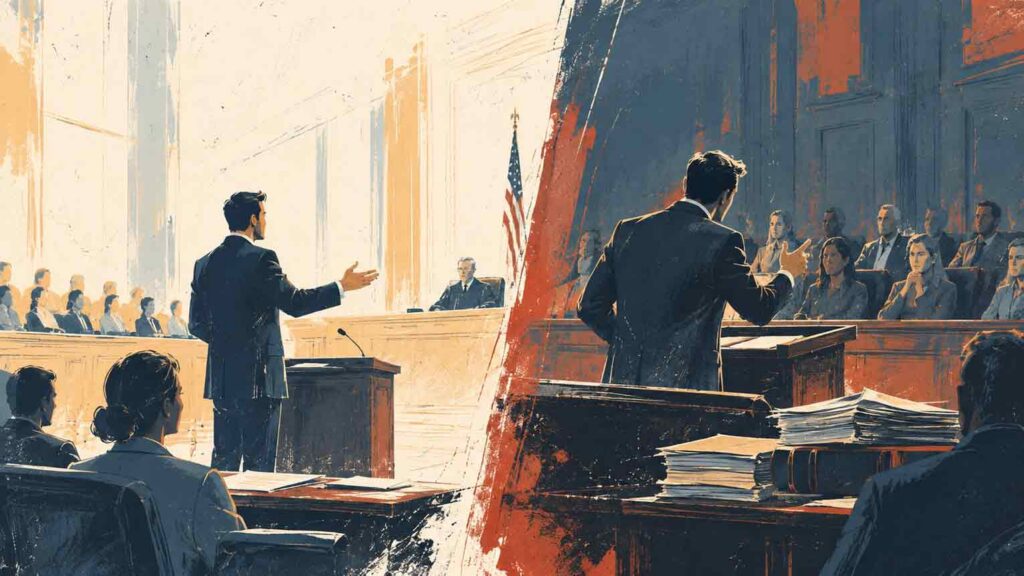
An opening statement is a lawyer’s preview of the evidence at the start of trial, while a closing argument is the persuasive summation delivered after

Florida’s no-fault statute, Florida Statutes section 627.736, requires every motorist to carry Personal Injury Protection or PIP, which pays a portion of medical expenses and

The per diem and multiplier methods are two approaches for valuing pain and suffering. The per diem method assigns a daily dollar value to the

A motion to compel discovery asks the court to order an opposing party to answer a discovery request it has ignored or resisted, such as
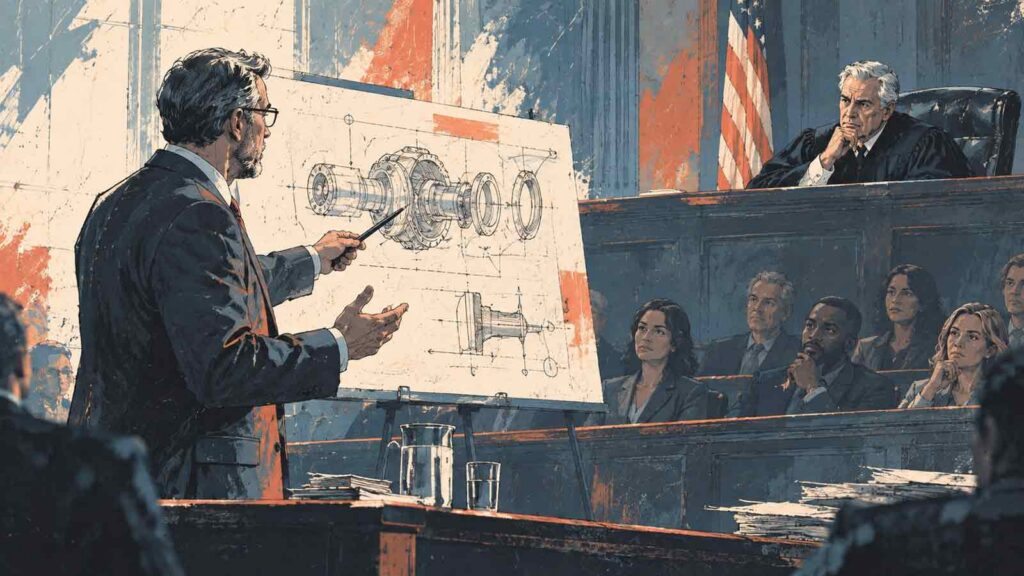
Federal Rule of Evidence 702 governs the admissibility of expert witness testimony in federal court. It permits a qualified expert to offer opinion testimony when
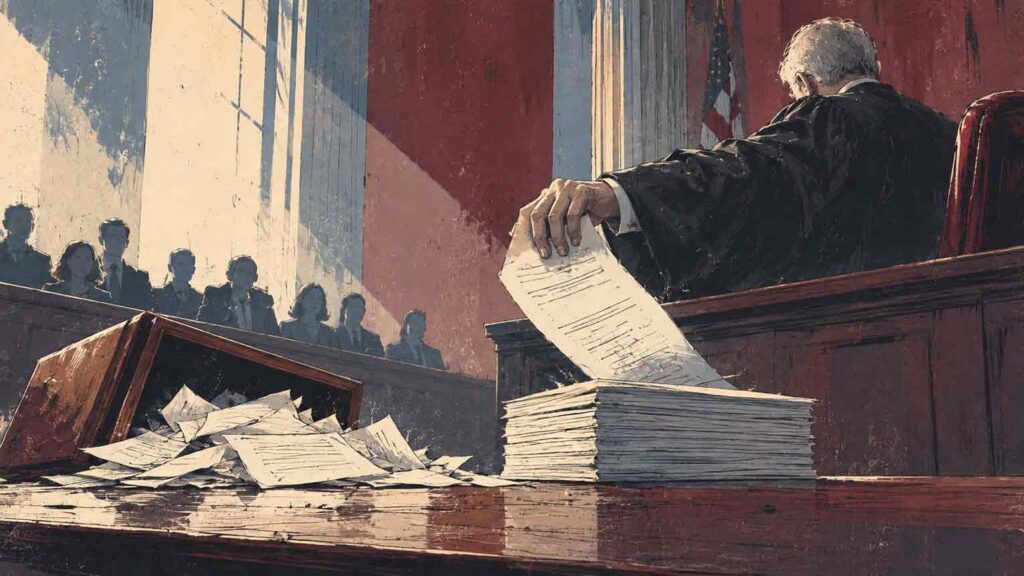
Judgment notwithstanding the verdict (JNOV) is a court order overturning a jury’s verdict because no reasonable jury could have reached it on the evidence. In

New York’s serious injury threshold is a statutory requirement, set by New York Insurance Law section 5102(d), that a motor-vehicle plaintiff must satisfy to sue

Subrogation is the right of an insurer or other party that has paid a loss to step into the shoes of the person it paid

Removal to federal court is the procedure by which a defendant transfers a civil case filed in state court to the federal district court covering
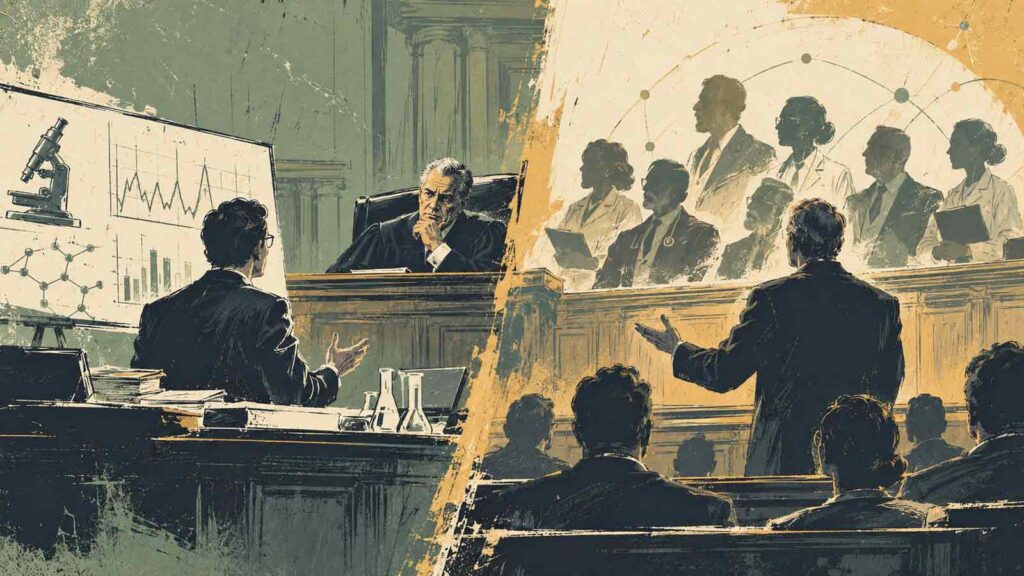
Daubert and Frye are two competing legal standards for admitting expert testimony. The Daubert standard, from Daubert v. Merrell Dow Pharmaceuticals (1993) and codified in
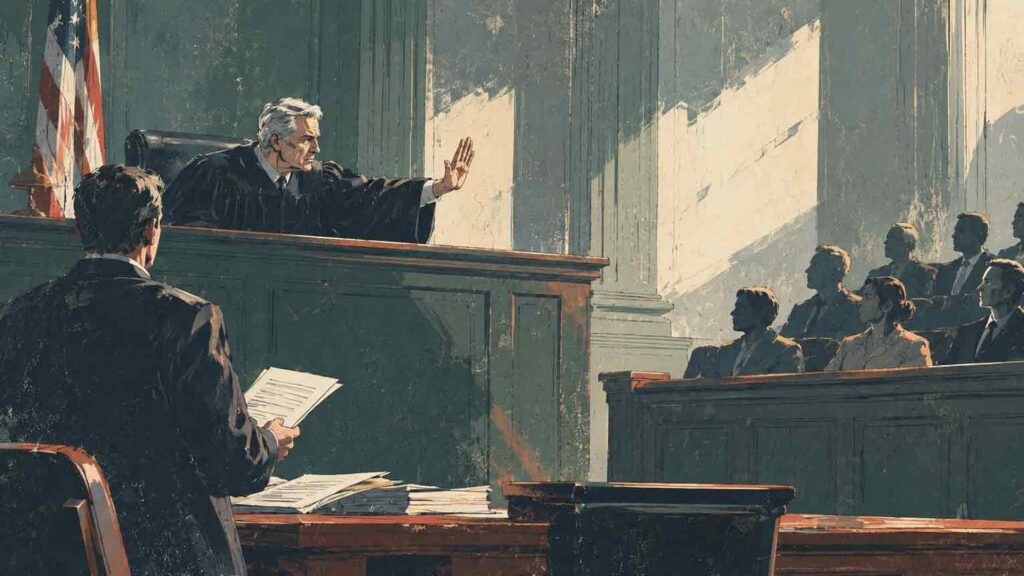
A motion for directed verdict asks the trial judge to enter judgment for the moving party because the trial evidence is legally insufficient for a

New York Pattern Jury Instructions are the New York Pattern Jury Instructions—Civil (PJI), a set of model civil jury charges prepared by the Committee on